In the realm of furniture design, the quest is often to create pieces that are as beautiful as they are practical. Designers frequently grapple with the challenge of how to balance aesthetics and functionality in furniture. Striking the right balance can elevate a space while ensuring it serves its intended purpose.
A well-designed piece should resonate with the user’s lifestyle. For example, a stunning coffee table may catch the eye, but if it lacks sufficient storage, it fails in function. The delicate interplay between visual appeal and utility deserves careful consideration. Each design must reflect its intended use, yet also embody an artistic essence that draws people in.
Sustainable materials can add both charm and durability. However, some sustainable choices may not meet every aesthetic preference. This point invites reflection on compromises in design. The ultimate goal is to create furniture that is not only pleasing to the eye but also enhances daily life. Balancing aesthetics and functionality is a continuous journey, demanding both creativity and critical thinking from designers.
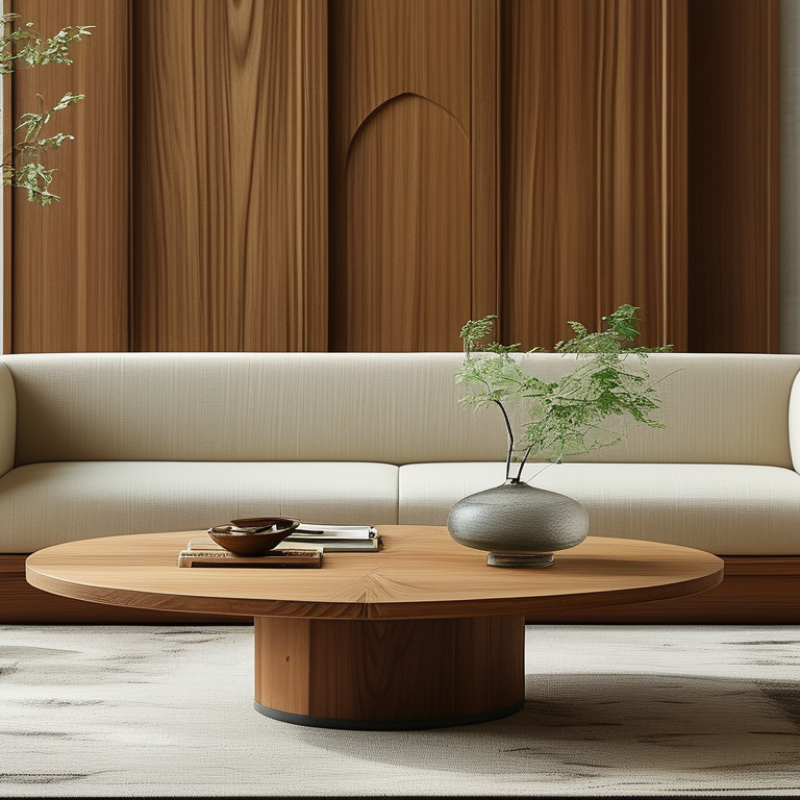
Aesthetics and functionality in furniture design are intertwined yet often at odds. A beautiful piece can captivate, but if it doesn’t serve its purpose, it risks being overlooked. Designers must consider balance. For example, a stunning chair may become unappealing if it lacks comfort. Functionality shouldn’t be sacrificed for mere appearance.
Incorporating practical features into aesthetic designs can enhance both aspects. Consider storage solutions that blend into the overall look. A coffee table with hidden compartments combines style and utility. Attention to proportions and materials also matters. Using lightweight materials can make a visually appealing design more practical for movement and use.
However, seeking this balance can lead to trial and error. Not every design will achieve the perfect mix of beauty and purpose. Reflecting on user experience is crucial. Listening to feedback can guide adjustments and improvements. Design is an evolving process that thrives on innovation and insight.
This bar chart illustrates the importance rating (on a scale from 1 to 10) of various aspects in furniture design, highlighting the need to balance aesthetics and functionality effectively.
When choosing furniture, user experience often outweighs aesthetic appeal. Comfort should be a priority. A beautiful piece may not fulfill its purpose if it isn’t functional. A chair can look stunning but cause discomfort during long hours of use. It’s crucial to test furniture before purchasing it.
Consider your daily activities. Do you need a workspace that promotes focus? A cluttered desk may hinder productivity. Opt for designs that support your workflow. Patterns and colors can enhance mood. Yet, if a piece overwhelms your space, it can lead to stress. Simplicity can nurture a calm environment.
User feedback is valuable in this process. A design might look inviting but fail in real-life use. Regularly seeking opinions can lead to better choices. Exploring options without bias allows for a balanced perspective. Furniture should harmonize with lifestyle needs while providing comfort. In this pursuit, we often find room for improvement.
In furniture design, choosing the right materials is crucial for achieving both beauty and practicality. Natural wood offers warmth and character, making it a popular choice. However, wood can warp and scratch easily. This requires attention during design and manufacturing. Metal brings durability but often sacrifices warmth. Balancing these materials can create a unique piece that meets user needs.
Techniques in furniture construction also play a vital role. Joinery methods, like dovetail joints, enhance strength and aesthetic appeal. However, these techniques can significantly increase production time and costs. Designers must evaluate the trade-offs carefully. Can the beauty of complex joinery justify its practicality? This is a question that all designers face.
The challenge lies in not just choosing materials and techniques, but in understanding user experiences. What looks good may not always function well in daily use. Ergonomics should not be overlooked. Designers must reflect on past failures—pieces that look stunning yet lack comfort. Balancing beauty with function is an ongoing journey. It requires constant refinement and open-mindedness to new ideas and materials.
Balancing aesthetics and functionality in furniture design requires careful consideration of multiple principles. One vital aspect is proportion. Furniture should fit harmoniously within its space while being comfortable and visually appealing. A chair may look stunning, but if it’s hard to sit in, it fails its primary function.
Another principle is material selection. Different materials evoke different feelings and functionalities. Wood offers warmth, while metal allows for sleek designs. However, each material comes with limitations. For instance, wooden furniture adds beauty but might not be ideal for outdoor settings. Thoughtful combinations can bridge gaps between beauty and utility.
Usability must also guide design elements. Tables should provide adequate surface areas, yet their shapes may affect flow in a room. Open shelving adds interest but can lead to clutter if not managed well. These reflections reveal that achieving perfect balance often requires iterating over several designs before arriving at one that satisfies both form and function effectively.
In modern furniture design, the tension between aesthetics and functionality is palpable. Designers aim to create pieces that are not only visually appealing but also practical. This balance is crucial in today’s interiors, where space can be limited and needs diverse.
One current trend is the use of multifunctional furniture. These designs often feature sleek lines and minimalist forms, appealing to those who prefer modern aesthetics. However, the challenge is ensuring such pieces provide adequate comfort and utility. Consider a coffee table that doubles as storage. While it looks chic, it might lack enough space for your books and magazines. Reflecting on how well your furniture serves its purpose is vital.
**Tips:**
1. Look for furniture that solves problems. A bed with built-in drawers saves space and provides easy access to belongings.
2. Embrace materials that blend style and durability. Natural woods can offer both beauty and longevity.
3. Test your pieces. Sit, stand, and interact with them to ensure comfort meets visual appeal.
Incorporating both beauty and utility in furniture design requires thoughtfulness. Not every piece will hit the mark. Design is a continual process of adjusting and refining to find that sweet spot.
| Design Element | Aesthetic Quality | Functionality | Current Trends |
|---|---|---|---|
| Color Palette | Bold and vibrant colors | Enhances mood and space perception | Maximalism |
| Material Choice | Natural and sustainable materials | Durability and ease of maintenance | Eco-friendly trends |
| Shape and Form | Organic and fluid shapes | Space optimization | Biophilic design |
| Functionality Features | Aesthetic technology integration | Multi-functional usage | Smart furniture technology |
| Sustainability Practices | Minimalist aesthetics | Resource-efficient designs | Recycled materials usage |
: Aesthetics and functionality are interconnected but can sometimes conflict. Beauty attracts, but functionality is crucial.
Practical features can be integrated into beautiful designs. For instance, a stylish coffee table with hidden storage combines both.
The right materials influence both the beauty and practicality of a piece. Natural wood offers warmth, but can be prone to damage.
Designers face trade-offs, like cost versus complexity. For example, intricate joinery enhances beauty but can increase production time.
Reflecting on user feedback helps identify issues. A stunning piece may lack comfort, highlighting the need for improvement.
Ergonomics is essential. A visually appealing chair that isn’t comfortable fails its purpose, underscoring the importance of usability.
Proportion ensures furniture fits within a space and remains comfortable. An ill-proportioned piece may disrupt harmony in a room.
Usability guides design choices, like surface area and shape. Poorly designed tables can hinder movement or cause clutter.
Design is iterative, often requiring multiple attempts to balance aesthetics and functionality effectively. Reflection is crucial for growth.
Yes, a beautiful design might overlook practical use, creating a need for ongoing reflection and adjustments in future designs.
In the exploration of how to balance aesthetics and functionality in furniture design, it is crucial to understand the interplay between beauty and practicality. The first step involves recognizing the significance of user experience in furniture selection, ensuring that both visual appeal and usability are prioritized. Furthermore, selecting the right materials and techniques is essential; they should not only enhance the design but also provide durability and ease of maintenance.
Design principles play a pivotal role in harmonizing form and function. By applying these principles, designers can create pieces that resonate with current trends while still serving their intended purpose effectively. Ultimately, evaluating the ongoing debate of aesthetics versus functionality within modern furniture can lead to innovative solutions that cater to both the eye and the user’s needs, fostering environments that are not only attractive but also highly practical.
Salonix Furniture