What is the Best Material for Long Lasting Furniture?

Time:2026-04-15 Author:Charlotte
0%

When considering "what is the best material for long lasting furniture," industry expert James Miller offers valuable insights. He states, "Durability is paramount; choose materials that withstand the test of time." This statement prompts reflection on the myriad of options available.

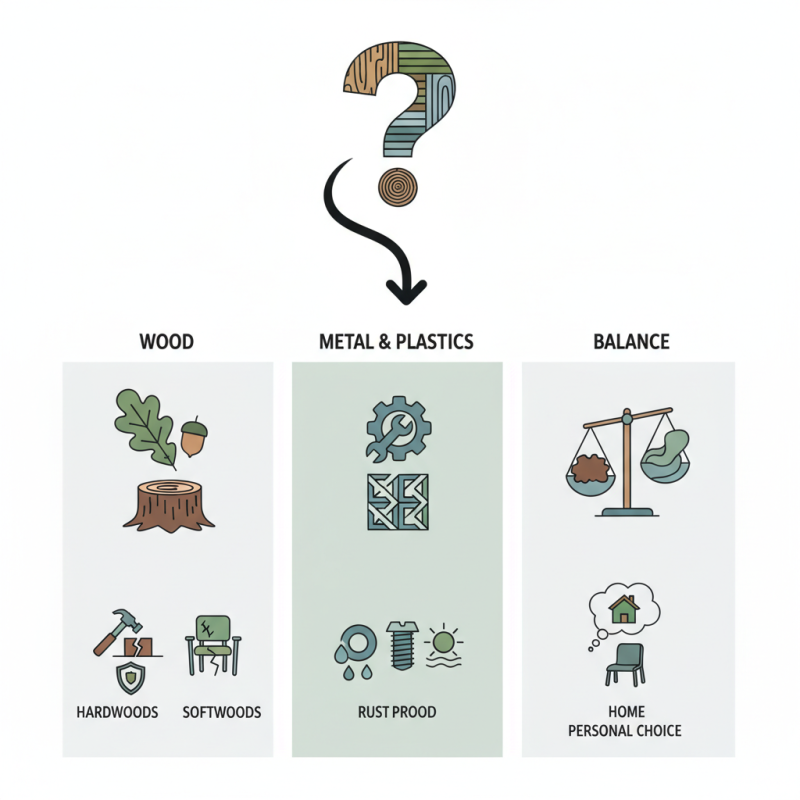
Wood is a classic choice, often celebrated for its strength and beauty. However, not all types can endure the years. Hardwoods like oak and maple are known for their resilience. On the other hand, softwoods can suffer more wear and tear, leaving buyers in a quandary.

Metal and high-quality plastics also emerge as contenders. They resist weather and decay, making them ideal for outdoor furniture. Yet, comfort and aesthetic appeal may lag behind. Ultimately, selecting the right material involves balancing durability with style. A decision often influenced by personal taste and intended use. The journey to discover the best material invites both excitement and uncertainty, encouraging shoppers to explore all possibilities.
What is the Best Material for Long Lasting Furniture?

Understanding the Key Characteristics of Durable Furniture Materials

Choosing the right materials is crucial for durable furniture. Key characteristics define how long-lasting a piece can be. Hardwoods like oak and maple are excellent choices. They resist wear and tear effectively. Softwoods, while lighter, tend to be less durable.

Another important factor is construction. Solid wood is often superior to engineered wood. It offers stability and resilience over time. However, even solid wood can suffer from moisture and temperature changes. Therefore, considering finishes is vital. High-quality sealants can enhance longevity.

Metal and certain plastics also have their place. Metals like steel offer strength but can rust if not treated. Some plastics are designed to withstand the elements. Yet, they may not offer the same aesthetic appeal as wood. Reflecting on these aspects can guide your choice for lasting furniture.

Common Types of Wood Used in Long Lasting Furniture

When considering long-lasting furniture, the type of wood used is crucial. Hardwoods tend to offer greater durability. Oak, for example, is popular for its strength and resistance to wear. According to the American Hardwood Information Center, oak is known for its longevity, often lasting generations when properly cared for. Mahogany is another favorite. It’s less common but boasts a rich color and excellent stability.

Some commonly used woods include maple and cherry. Maple is dense and highly resistant to scratches, making it ideal for busy households. Cherry wood develops a beautiful patina over time, contributing to its appeal. A study by the Forest Products Laboratory revealed that well-maintained cherry furniture could last over 30 years. However, it might require periodic refinishing.

Softwoods, like pine, are often cheaper but less durable. They can dent easily, diminishing their lifespan. While cheaper options are tempting, they may not withstand everyday use. Ultimately, choosing the right wood is essential for creating furniture that endures.

Common Types of Wood Used in Long Lasting Furniture

Metal vs. Wood: A Comparative Analysis for Furniture Longevity

When considering furniture longevity, metal and wood have distinct characteristics. Metal furniture typically offers superior durability. It resists scratching, fading, and damage from moisture. Reports indicate that well-maintained metal pieces can last over 50 years. This longevity makes metal a preferred choice for high-traffic areas.

Wood, while beautiful, presents challenges in terms of longevity. Hardwoods like oak and maple can endure if properly cared for. However, they are susceptible to scratches and dents. A study by the American Hardwood Information Center found that wood furniture, if exposed to humidity and temperature changes, may last around 20-30 years. Regular maintenance and protective finishes can help extend this lifespan.

Both materials have their pros and cons. For instance, metal can be cold and uninviting compared to warm wood tones. Conversely, wood can require more upkeep and show wear over time. These factors should be considered when selecting materials for long-lasting furniture. Evaluating lifestyle needs and maintenance commitment is essential. Each choice reflects personal style and function, leading to thoughtful investment.

What is the Best Material for Long Lasting Furniture? - Metal vs. Wood: A Comparative Analysis for Furniture Longevity

Material Durability (Years) Maintenance Cost Eco-Friendliness
Wood 10-30 Moderate (polishing, cleaning) $$ Yes (if sustainably sourced)
Metal 20-50 Low (minimal upkeep) $$$ Depends on type (steel vs aluminum)
Composite 5-15 High (careful cleaning) $ Varies (often less eco-friendly)

The Role of Upholstery Fabrics in Furniture Durability

Upholstery fabrics play a crucial role in the durability of furniture. The choice of fabric can significantly impact how well a piece withstands daily use. According to a report by the Architectural Research Institute, about 80% of furniture wear is caused by the upholstery fabric. High-performance fabrics, like microfiber or treated synthetics, are known for their resilience. They can resist stains and fading, extending the lifespan of furniture pieces.

Natural fibers, such as cotton and linen, offer breathability but may not be as durable. A study from the Furniture Industry Association highlighted that cotton upholstery can last around five years under heavy use. In contrast, synthetic fibers can last up to ten years. This difference is essential for families with pets or children.

Choosing the right upholstery fabric also involves considering aesthetics and maintenance. Fabrics with tight weaves tend to be more durable. However, they might not be as cozy. Balancing comfort and durability can be challenging. Observing wear patterns on existing furniture can provide insights into your textile choices. Reflecting on past experiences with upholstery can lead to stronger decisions for new purchases.

Environmental Factors Affecting Furniture Material Longevity

When considering furniture longevity, environmental factors play a crucial role. Humidity, temperature, and exposure to light significantly impact material durability. For instance, wood can warp or crack in high humidity. The average humidity range for optimal wood stability is between 30% to 50%. Beyond this, you might face severe issues.

UV light can also degrade finishes and colors. Research shows that furniture exposed to direct sunlight can lose its gloss and color after just six months. Fabrics can fade under continual light exposure. This highlights the need for thoughtful placement of furniture in your home.

Moreover, environmental pollutants like smoke and chemicals can deteriorate finishes and overall integrity. Studies indicate that volatile organic compounds (VOCs) in the air may weaken adhesive bonds in composites. These factors create a pressing need for manufacturers and consumers to consider environmental conditions. Reflecting on these elements can lead to better choices for lasting furniture.

FAQS

: What materials are best for durable furniture?

: Hardwoods like oak and maple are excellent choices for durability. They resist wear and tear effectively.

How important is furniture construction?

Construction matters greatly. Solid wood typically offers better stability than engineered wood. It lasts longer.

Can moisture affect durable furniture?

Yes, moisture can lead to warping or cracking in wood. Maintaining proper humidity is essential for longevity.

What role does temperature play in furniture durability?

Temperature changes can affect furniture materials. Consistent environments are crucial for maintaining integrity over time.

How does UV light impact furniture?

UV light can degrade finishes and colors. Furniture in direct sunlight may lose gloss and vibrancy within six months.

Are there environmental factors to consider?

Definitely. Humidity, temperature, and light exposure play critical roles in determining furniture longevity.

What about the placement of furniture?

Thoughtful placement is key. Avoid areas with high light exposure to minimize fading and deterioration.

Can pollutants affect furniture materials?

Yes, environmental pollutants can deteriorate finishes. Chemicals like VOCs may weaken adhesives in composite materials.

Are metal and plastic materials durable?

Metals like steel are strong but can rust if untreated. Some plastics resist elements but may lack aesthetic appeal.

Why is material longevity important?

Understanding material longevity helps in making informed choices for sustainable and lasting furniture in your home.

Conclusion

When considering what is the best material for long lasting furniture, it is essential to understand the key characteristics that contribute to durability. Common materials such as hardwoods like oak and maple are often favored for their strength and longevity. Additionally, metal can offer a robust alternative, providing a comparative analysis that highlights how both materials can be suitable for different styles and uses in furniture design.

Upholstery fabrics also play a crucial role in the overall durability of furniture, with options like leather and high-quality synthetic textiles enhancing longevity. Furthermore, environmental factors such as humidity, temperature, and exposure to sunlight significantly affect the lifespan of furniture materials. By understanding these aspects, consumers can make informed decisions that ensure their furniture remains a long-lasting investment.

Charlotte

Charlotte

Charlotte is a seasoned marketing professional with a deep understanding of the company's portfolio and a passion for elevating its presence in the market. With a keen eye for detail and a commitment to excellence, she ensures that our professional blog is regularly updated with insightful articles......