Choosing the right seating is crucial for our daily comfort and health. According to a report by the American Institute of Stress, ergonomic seating can reduce fatigue and improve focus. However, many still struggle with how to choose comfortable seating for daily use. This decision impacts not only our physical well-being but also our productivity.
Dr. Emily Grayson, a renowned ergonomic specialist, emphasizes, "A well-chosen chair can significantly enhance your daily comfort and prevent chronic pain." This highlights the importance of making informed choices. It's not just about aesthetics; comfort is a priority. Selecting the right seat involves understanding design features and personal needs.
For instance, poor seating can lead to back pain over time. In fact, studies show that 80% of adults experience back issues. Reflecting on this, one might ask: does my current seating meet my needs? By considering factors like support, material, and adjustability, individuals can find the right fit.
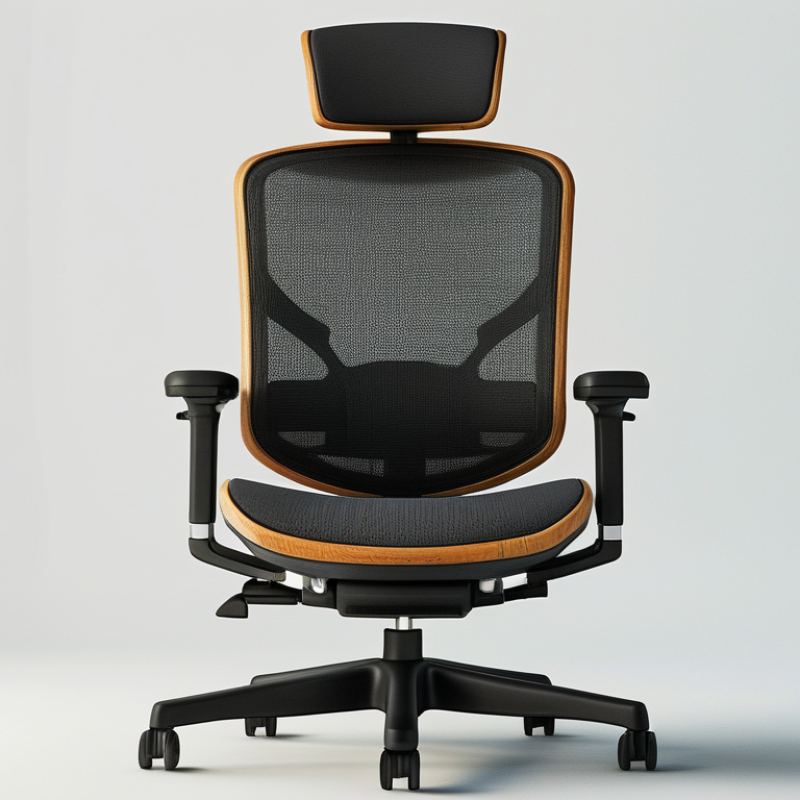
Choosing comfortable seating requires an understanding of your personal comfort needs and preferences. Studies indicate that ergonomic seating can reduce discomfort by up to 85%. Identifying your body type and usual sitting posture is crucial. For instance, individuals with larger frames may need wider seats and reinforced support. Meanwhile, those who prefer to slouch might find a softer cushion more appealing.
Consider your typical activities. Do you work long hours at a desk? A chair with good lumbar support is essential. According to the American Chiropractic Association, poor seating contributes to back pain for 80% of Americans. People often overlook the importance of adjustability. A chair that cannot be modified may provide discomfort for diverse users. A height-adjustable seat can enhance posture and productivity.
Personal preferences play a big role too. What material feels right for you? Some prefer breathable mesh, while others favor plush upholstery. Conducting a simple test before purchasing can help. Sit in various options and gauge your comfort level. Be aware that comfort is subjective. What works for one may not work for another. This exploration is part of the seating selection process.
When considering comfortable seating for daily use, it's essential to evaluate various seating options. Assessing materials is crucial. Soft fabric can feel cozy, but it may not have the durability of leather. Each material offers unique breathability and maintenance requirements. Also, don't underestimate the importance of cushioning. Firm cushions might provide better support, but some prefer the plush comfort of softer ones.
Another critical factor is the chair's height and depth. A seat that is too low can strain your back. Conversely, a deep seat may not offer support for shorter individuals. It’s important to test several options to find the best fit. Take note of how your body responds. Are you comfortable after extended use, or do you feel fatigued?
Lastly, consider the chair's style. While aesthetics matter, prioritize comfort. Sometimes, a beautifully designed chair lacks the support you need. Be willing to reflect on your choices. A seat that seems perfect at first might not suit your daily routine in the long run. Focus on what feels right for your body and lifestyle.
Choosing comfortable seating for daily use involves careful consideration of material quality and durability. High-quality materials directly impact comfort and longevity. Look for fabrics that are both breathable and easy to maintain. Polyester blends can be a good choice as they resist stains and wear. Leather offers elegance but requires regular upkeep to maintain its look and feel.
When selecting seating, assess the durability of the structure as well. Solid wood frames are often more durable than particleboard. Metal frames provide strength but may not always feel warm. Test how sturdy the seating feels. You want to ensure it can withstand regular use without rocking or creaking.
Consider how materials feel against your skin. Soft, cushioned fabrics can enhance comfort, but they may wear out faster. Reflect on your daily routine. Will your seating face spills or frequent changes in temperature? These factors can guide your choice. Ensure your selection balances comfort with the ability to endure daily life’s demands.
When choosing seating for daily use, ergonomics are crucial. A well-designed chair can reduce strain on your back and neck.
According to the American Chiropractic Association, nearly 80% of adults experience back pain at some point.
This uncomfortable truth highlights the need for ergonomic support features.
Look for chairs with adjustable height and lumbar support. These features allow you to customize your seating experience.
A chair that adapts to your body can improve comfort significantly.
The Occupational Safety and Health Administration suggests that poor posture is a leading cause of workplace injuries.
Investing in ergonomic choices can actually enhance productivity over time.
Consider materials that promote airflow and comfort.
Upholstery that breathes can prevent heat build-up during long hours.
A comfortable seat isn't just about aesthetics; it directly impacts daily well-being.
You might find yourself more fatigued with inadequate support.
It's a reminder that prioritizing comfort in design matters for your health in the long run.
When choosing comfortable seating, size and fit are crucial. According to industry studies, the average person spends about 6-8 hours sitting each day. This highlights the importance of ensuring that your seating not only fits well in your space but also suits your body.
Measure your available space before purchasing. A chair that looks stylish may not provide the comfort you need. Consider chair height and depth. The ideal chair should allow your feet to rest flat on the ground. Reports indicate that 30% of people experience discomfort from poorly sized furniture.
Think about your primary activities. For work, opt for ergonomically designed chairs that support your posture. If it's for relaxation, something softer may suffice. But, remember to test the seating in person if possible. Many overlook this step and end up dissatisfied with their choice. Not all comfortable chairs will fit seamlessly with your lifestyle or in your home. Consider testing a few options within your space to find the right match.
: Evaluate materials, comfort, and cushioning. Each material affects durability and maintenance.
Cushioning affects comfort. Firm cushions offer support, while softer ones provide plush comfort.
A seat that's too low strains your back. A deep seat may not support shorter individuals properly.
Check if the structure feels sturdy. Solid wood frames are generally more durable than cheaper materials.
Look for breathable, easy-to-maintain fabrics. Polyester blends resist stains, while leather requires upkeep.
Comfort is crucial. A stylish chair may lack necessary support. Reflect on your daily needs.
Measure your space before purchasing. A stylish chair without proper fit can lead to discomfort.
Test seating for comfort. Your feet should rest flat on the ground for proper support.
Many overlook testing chairs in person and end up dissatisfied with their choice.
Regularly assess how well your seating meets daily demands and comfort over time.
When considering how to choose comfortable seating for daily use, it's essential to start by understanding your unique comfort needs and preferences. This involves evaluating various types of seating options, whether it be sofas, chairs, or loungers, and identifying which styles align with your lifestyle and aesthetic.
Next, assessing material quality and durability is crucial; look for fabrics and frames that can withstand regular use while providing the comfort you seek. Considering ergonomics is also vital, as supportive features can significantly enhance your seating experience. Finally, make sure to test for size and fit within your space to ensure that your chosen seating complements your environment perfectly. With these tips in mind, you can make an informed decision that enhances your daily comfort.

Salonix Furniture