Selecting furniture for commercial spaces can be a daunting task. It involves balancing functionality, aesthetics, and budget. Business owners often struggle with how to select furniture for commercial spaces effectively. The right choice can enhance work efficiency and create a welcoming atmosphere.
Consider the specific needs of your business. Different environments require different furniture styles. For example, a trendy café may benefit from vibrant and casual seating. In contrast, a law firm may require sleek and professional office desks. Understanding your target audience plays a crucial role in these decisions.
Quality is essential. Investing in durable furniture can lead to long-term savings. However, price isn't the only factor. It’s important to reflect on the values your brand represents. A well-furnished space can communicate your brand's personality and professionalism. Take the time to evaluate your options carefully. It might not be perfect, but thoughtful selection can lead to improvement.
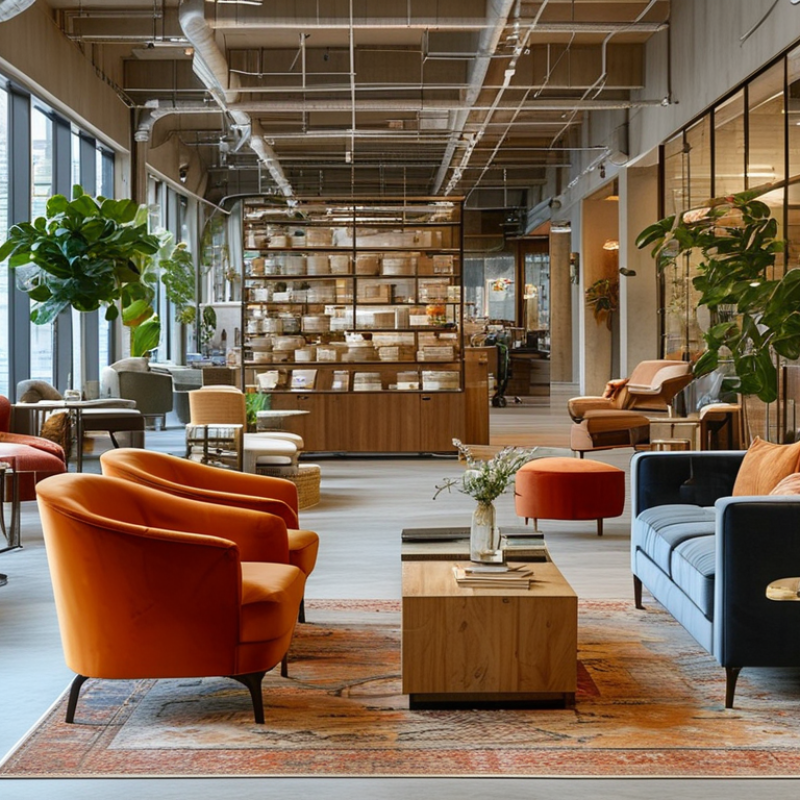
In commercial spaces, ergonomics plays a crucial role in furniture selection. Research indicates that well-designed ergonomic furniture can enhance employee productivity by up to 20%. This is significant, especially considering that discomfort can lead to reduced efficiency and increased absenteeism. Ergonomic designs help to minimize physical strain, promoting a healthier work environment.
When choosing furniture, consider the adjustability of chairs and desks. Flexibility allows employees to personalize their workspace, accommodating individual body types. Aim for desks that can switch between sitting and standing positions. This promotes better posture and reduces fatigue. Remember, comfort directly impacts not just health, but overall work performance.
It's vital to evaluate the quality of materials used in furniture production. High-quality items may require a higher initial investment, but they last longer and support better health outcomes. A study by the World Health Organization states that poor ergonomic choices could contribute to up to 60% of work-related injuries. Thus, investing in ergonomic furniture is not just about aesthetics; it’s a long-term strategy to foster a productive workforce.
The demand for sustainable furniture solutions is rising rapidly. Many businesses recognize the importance of eco-friendly choices. Selection of materials matters a lot. Bamboo, reclaimed wood, and recycled metals are popular options. These materials not only reduce waste but also offer durability. When choosing furniture, look for certifications that prove sustainability.
Design plays a crucial role too. Minimalistic and functional designs help create an inviting commercial space. However, the challenge lies in balancing style and sustainability. Some furniture pieces may look appealing but lack eco-friendly qualities. Always consider the environmental impact of your choices.
Additionally, businesses must be aware of their suppliers. Transparency in sourcing is key. Not all sustainable furniture comes from ethical sources. It requires careful research to ensure reliability. This process can be daunting, but it is essential for long-term benefits. Embracing sustainable solutions is not just a trend; it’s a responsibility for future generations.
| Criteria | Description | Importance Rating (1-5) | Current Trend |
|---|---|---|---|
| Sustainability | Choosing eco-friendly materials and manufacturing processes. | 5 | High demand for recycled materials. |
| Ergonomics | Designing furniture that promotes comfort and productivity. | 4 | Increased focus on employee well-being. |
| Flexibility | Furniture that can be easily reconfigured for different needs. | 4 | Growing trend for multi-purpose space designs. |
| Aesthetics | Ensuring furniture complements the overall interior design. | 3 | Focus on minimalistic and modern designs. |
| Durability | Selecting high-quality materials that withstand wear and tear. | 5 | Increasing need for long-lasting products. |
Selecting furniture for commercial spaces requires careful budgeting. Quality furniture can be expensive, but investing wisely pays off. A study by the Bureau of Economic Analysis shows that businesses lose about $100 billion annually due to low-quality furnishings. This highlights the necessity of balancing cost with longevity.
When budgeting, consider the lifecycle of the furniture. High-quality items often last longer and resist wear. The National Institute of Standards and Technology indicates that durable furniture can cut replacement costs by nearly 30% over ten years. Though initial expenses may be higher, the long-term savings are significant.
It’s vital to analyze the specific needs of the space. Think about traffic patterns and use cases. Some choices may seem economical but can lead to quick deterioration. Reflect on past purchases. Were they cost-effective in the long run? Prioritize functionality and durability over aesthetics at times. Finding the right balance is not always straightforward.
When evaluating space utilization for commercial areas, furniture layout plays a pivotal role. A well-organized arrangement can enhance functionality and foster productivity. According to a report by the International Facility Management Association, effective furniture placement can lead to a 20% increase in employee productivity. This highlights the importance of strategic planning in furniture selection.
Consider the flow of movement within your space. It’s essential to avoid creating bottlenecks. An open layout can encourage collaboration but may sometimes lead to distractions. Balancing open areas with private workspaces is crucial. Data from Steelcase shows that employees prefer work environments that offer both quiet places and collaborative spaces. So, integrating various furniture types can serve multiple purposes.
Don't overlook the significance of ergonomics. Studies indicate that proper seating affects employee well-being significantly. According to the Occupational Safety and Health Administration, poorly designed workspaces can lead to increased absenteeism, affecting overall business performance. Regular assessments of furniture arrangements will ensure spaces meet the evolving needs of users. Review layouts and obtain feedback often to create a truly functional environment.
When selecting furniture for commercial spaces, aligning it with brand identity is crucial. Research from the International Furniture Market shows that 80% of consumers feel more connected to a brand when the physical environment matches the brand's values. This connection translates into customer loyalty and enhances the overall experience.
Choosing the right aesthetics goes beyond mere appearance. It involves understanding the brand's mission and vision. For instance, a tech startup may prefer modern, minimalist designs reflecting innovation. Conversely, a wellness center might opt for warm tones and natural materials to promote relaxation. Statistics indicate that 70% of consumers will leave a brand if they perceive a mismatch between the environment and brand identity.
It’s essential to ensure the furniture tells a cohesive story. Brands should reflect on elements such as color palette, texture, and layout. An incongruent choice could lead to mixed messages and confuse customers. For example, mismatched seating and décor can disrupt the brand narrative. Thoughtful consideration of furniture aesthetics can elevate a space and resonate powerfully with clients.
: Budgeting ensures that investments in furniture balance cost and quality for long-term savings.
High-quality furniture lasts longer, reducing replacement costs by nearly 30% over ten years.
Consider traffic patterns, functionality, and the potential for bottlenecks to enhance productivity.
Effective arrangements can increase productivity by up to 20%, highlighting strategic planning's importance.
Proper seating and layout improve employee well-being and can reduce absenteeism significantly.
Well-aligned aesthetics with brand identity can enhance customer loyalty and overall experience.
Brands need to reflect on their mission, values, and how furniture represents their narrative.
Regular evaluations and feedback help adapt layouts to changing needs and improve functionality.
Mismatched elements can confuse customers and disrupt the brand narrative, affecting loyalty.
Finding the right balance between cost and quality is often a complex, reflective process.
When considering how to select furniture for commercial spaces, it's essential to prioritize ergonomics to ensure comfort and productivity for employees and clients alike. Understanding the significance of ergonomic design can lead to better employee satisfaction and reduced health issues. Additionally, analyzing trends shows a growing demand for sustainable furniture solutions that not only meet functional needs but also align with eco-friendly practices.
Budgeting effectively is crucial; balancing initial costs with the longevity of furniture can lead to smarter financial decisions. Assessing space utilization is another key factor, as an optimal furniture layout maximizes functionality and enhances the overall experience of the space. Lastly, selecting the right aesthetics to align furniture with brand identity helps create a cohesive environment that reflects the values and image of the business. Together, these considerations form a comprehensive approach to selecting furniture that meets both practical and aesthetic needs in commercial settings.

Salonix Furniture