10 Best Tips to Choose Furniture for Modern Interiors?

Time:2026-05-19 Author:Charlotte
0%

Choosing the right furniture can dramatically enhance your modern interiors. When considering how to choose furniture for modern interiors, it's essential to strike a balance between style and functionality. A thoughtfully curated selection can transform any space into a haven of comfort and aesthetic appeal.

This process is not without its challenges. With a wide range of styles, colors, and materials, making a cohesive choice can be daunting. Sometimes, what looks good in a showroom may not fit your home's vibe. Understanding your personal taste and the overall theme of your interiors will help narrow down options.

Moreover, think about scale and proportion. A small room can feel crowded with oversized furniture, while a large room may seem empty with tiny pieces. Always measure your space before you shop. With these factors in mind, you will be better equipped to find the perfect pieces that not only reflect your taste but also suit your lifestyle. Remember, the goal is to create spaces that are inviting and functional.
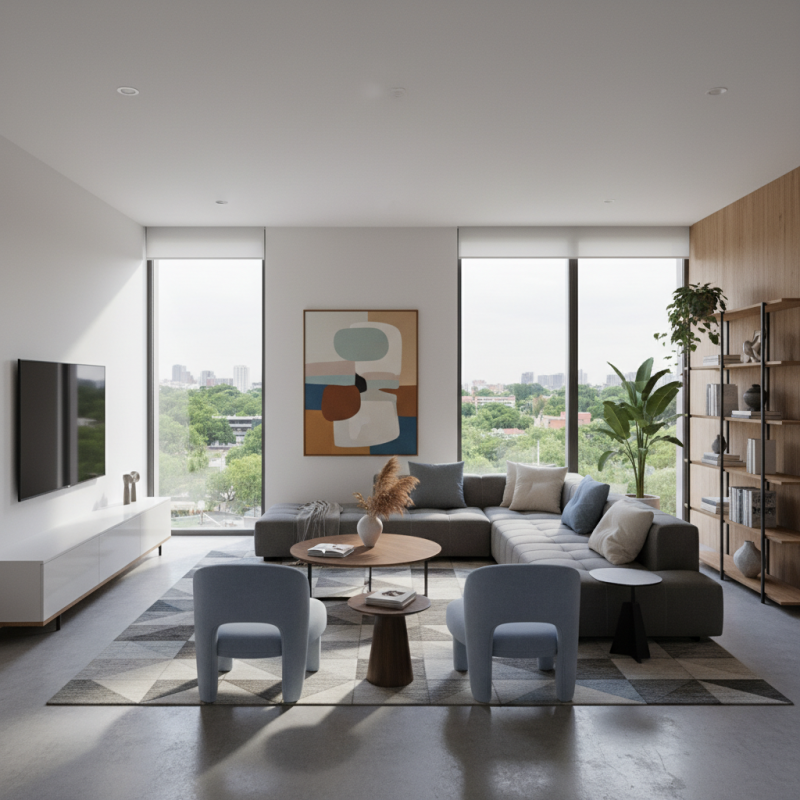
10 Best Tips to Choose Furniture for Modern Interiors?

Understanding Modern Interior Design Aesthetics

Understanding modern interior design aesthetics involves a blend of functionality and style. The essence of modern design is simplicity. Clean lines define the space. Neutral colors dominate the palette. These choices create a calm atmosphere, ideal for living areas and offices.

Textures play a crucial role in modern interiors. Mixing materials such as wood, metal, and glass adds depth. A plush sofa next to a sleek coffee table offers a nice contrast. Subtle decorations like a single plant or an abstract art piece can enhance the aesthetic without overwhelming the space. However, balancing these elements can be challenging. Overloading a room can lead to chaos, defeating the purpose of modern design.

Lighting is another key aspect. Natural light should be maximized. Use sheer curtains or no curtains at all to invite sunlight. Consider statement light fixtures to add character and functionality. Yet, too many fixtures can clutter the space. Reflective surfaces can help in spreading light but must be used thoughtfully. Each decision shapes the room's overall feel, making it vital to reflect on choices carefully.

Assessing Space and Layout for Optimal Furniture Placement

When choosing furniture for modern interiors, assessing space and layout is vital. Start by measuring your available area accurately. Consider the room's shape and any architectural features. Large pieces can overwhelm a small space, while tiny furniture might look lost in a vast room. Use painter’s tape to outline the furniture on the floor. This visual representation helps to understand how pieces will fit.

Reflect on flow and functionality. It’s crucial for furniture arrangements to promote movement. Avoid placing furniture in pathways where it could obstruct foot traffic. Think about how the space will be used daily. For instance, are there children or pets? Open spaces may be more suitable to allow for play.

Consider varying heights and proportions in your selection. Mixing low and tall pieces can create visual interest. A sofa may need to be complemented by a lower coffee table and stylish lamps. It’s not just about aesthetics; the scale matters. Take time to arrange and rearrange if needed. Analyze how adjustments affect comfort and visual appeal. Embrace the process. Every decision shapes your interior's overall vibe.

Choosing the Right Materials and Textures for Comfort

Choosing the right materials and textures for furniture is crucial in modern interiors. Research shows that over 70% of homeowners prioritize comfort when selecting furnishings. Textiles like cotton and linen offer breathability, making them ideal for upholstery. These materials add a casual feel while remaining stylish. Additionally, natural fibers tend to wear better than synthetics, which can become less comfortable over time.

Consider wood as a foundation material. According to industry reports, quality hardwoods demonstrate durability that lasts. Wood’s natural grains also introduce visual warmth. Pairing different textures can enhance a room's appeal. For example, a plush sofa alongside sleek metal accents creates a striking contrast. However, balancing textures is challenging. Too many competing elements may lead to a cluttered look, which can detract from comfort.

Additionally, pay attention to the scale of furniture in relation to space. Oversized pieces may dominate, while smaller ones can feel lost. This balance can influence the overall comfort of a room. The key is to find harmony between style and function. It’s a continuous learning process to find the ideal mix that complements both aesthetic and comfort needs.

10 Best Tips to Choose Furniture for Modern Interiors

This chart presents the key factors that influence the choice of materials and textures in modern furniture design. Each factor is ranked based on its importance as perceived by consumers.

Balancing Functionality and Style in Furniture Selection

When choosing furniture for modern interiors, balancing functionality and style is key. Each piece should serve a purpose while enhancing the overall aesthetic of the space. Consider how a sofa fits the layout, its comfort level, and how it complements your design theme. An overly ornate coffee table might clash with minimalist decor, making cohesion critical.

Tip: Assess your space before buying. Measure the area where furniture will go. Ensure there’s enough room for movement. Large furniture can overwhelm tight spaces, so think practical.

Think about materials as well. Natural wood can add warmth, while metal brings a sleek vibe. Don't overlook the importance of textures. A mix of soft fabric and hard surfaces creates visual interest. Reflect on how the furniture feels and looks together. Sometimes a visually stunning piece might not align with your lifestyle. Prioritize what works best for your needs while allowing personal expression.

Incorporating Personal Style into Modern Furniture Choices

Incorporating personal style into modern furniture choices can transform your space. Begin by evaluating your preferences. Choose pieces that reflect your taste, whether it’s minimalist or eclectic. For example, a neutral sofa can be complemented with vibrant throw pillows that speak to your personality. These small details can significantly change the room’s vibe.

Consider functionality alongside aesthetics. A stylish coffee table should serve a purpose, not just look good. It might hold books, candles, or drinks. Think about materials too. Wood brings warmth, while metal adds a sleek touch. Don’t be afraid to mix textures. A soft rug can balance hard surfaces, creating a cozy atmosphere.

However, it’s essential to reflect on your choices. Are you drawn to trends, or do you truly love the item? Items bought on impulse might not fit later. Select pieces that you can live with long-term. Your home should be a canvas for your unique story, showcasing who you are through deliberate choices.

FAQS

: Why are materials important for furniture comfort?

: Materials like cotton and linen offer breathability. They enhance comfort, providing a casual yet stylish feel.

What is a good foundation material for furniture?

Quality hardwoods are durable and visually appealing. Their natural grains add warmth to the space.

How can different textures affect a room?

Mixing textures, like plush and sleek, creates contrast. However, too many can lead to a cluttered look.

How does furniture scale impact comfort?

Oversized furniture can dominate a room. Small pieces may feel lost, affecting overall comfort.

What should I consider when selecting furniture style?

Each piece should serve a purpose and enhance the decor. Cohesion is critical to avoid clashes in style.

How can I ensure my furniture fits well in a space?

Measure the area before purchasing. Ensure there’s enough room for movement and functionality.

Are natural materials better than synthetics?

Yes, natural fibers usually wear better. Synthetics can lose comfort and style over time.

What role do textures play in furniture design?

Textures create visual interest. A mix of soft and hard surfaces balances the overall look.

How can personal expression be incorporated in furniture choices?

Prioritize your needs and style. Choose pieces that align with your lifestyle and aesthetic preferences.

What challenges come with mixing furniture styles?

It can be hard to balance different styles. Reflecting on comfort and usability is essential for a harmonious space.

Conclusion

When considering how to choose furniture for modern interiors, it's essential to understand the aesthetics that define contemporary design. This involves not only recognizing the importance of clean lines and minimalistic forms but also ensuring that the furniture harmonizes with the overall space and layout. Assessing the dimensions and flow of a room allows for optimal furniture placement, enhancing both functionality and visual appeal.

Additionally, selecting the right materials and textures can significantly impact comfort and style. Balancing practicality with design ensures that the chosen pieces serve their purpose while contributing to a cohesive look. Finally, incorporating personal style into your furniture choices can transform a modern space into a reflection of your unique tastes, making it both inviting and stylish. By following these tips, you'll effectively curate a modern interior that is both functional and aesthetically pleasing.

Charlotte

Charlotte

Charlotte is a seasoned marketing professional with a deep understanding of the company's portfolio and a passion for elevating its presence in the market. With a keen eye for detail and a commitment to excellence, she ensures that our professional blog is regularly updated with insightful articles......