2026 Best Tips on How to Maintain Wooden Furniture Properly?

Time:2026-05-01 Author:Oliver
0%

Maintaining wooden furniture is essential for preserving its beauty and functionality. According to renowned furniture expert, David O’Neil, "Proper upkeep of wooden pieces can greatly extend their lifespans." Understanding how to maintain wooden furniture properly can save significant costs over time.

Wood is a natural material, which means it requires special care. Factors like humidity, sunlight, and temperature changes can impact wood's appearance and integrity. Regular dusting and avoiding harsh chemicals can go a long way in ensuring longevity. However, many people overlook these small yet crucial tasks.

In today's fast-paced world, it's easy to neglect these responsibilities. Often, we become frustrated with wear and tear, forgetting that small changes in routine can make a big difference. By prioritizing the right maintenance practices, you can keep your furniture in excellent condition for years to come. Careful attention to detail is vital.
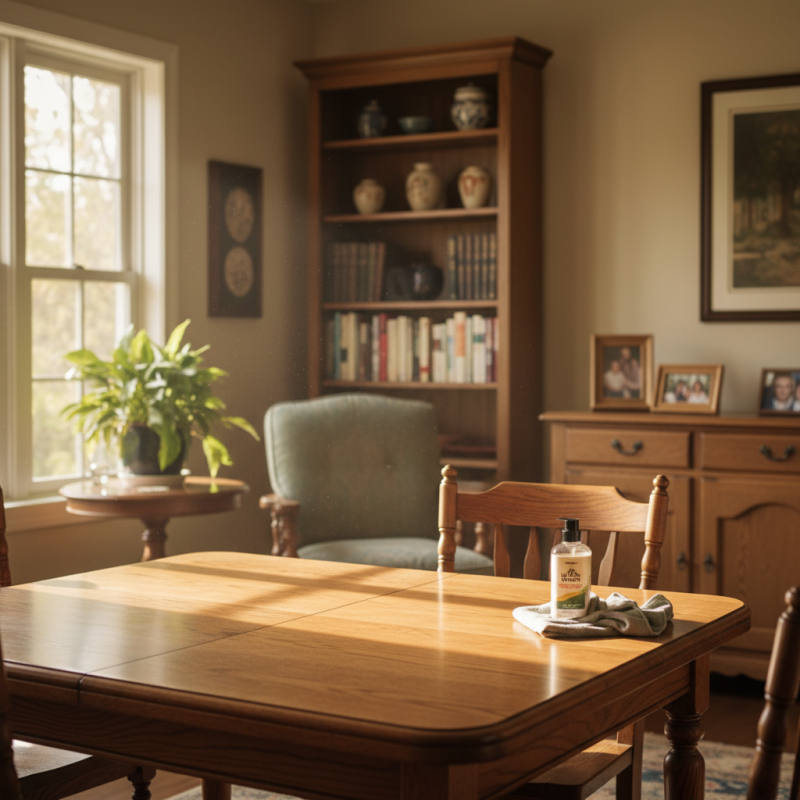
2026 Best Tips on How to Maintain Wooden Furniture Properly?

Choosing the Right Environment for Wooden Furniture Maintenance

When maintaining wooden furniture, the environment plays a crucial role. A stable and controlled climate is essential. Wooden pieces thrive in spaces with moderate humidity. Ideal humidity levels range between 40% and 60%. Too much humidity can cause warping, while too little may lead to cracking.

Direct sunlight is another factor to consider. Place your wooden furniture away from windows or areas with strong light. Prolonged exposure can fade colors and damage the finish. Consider using curtains or blinds to filter sunlight.

Temperature also affects wood. Keep rooms temperature stable. Extreme heat or cold can make wood expand and contract. A consistent temperature of around 70°F is ideal. Avoid placing furniture near heaters or air conditioning vents. It’s important to actively monitor these conditions. This level of attention can prevent damage and ensure your furniture remains beautiful.

Essential Cleaning Techniques for Wooden Furniture Care

Proper care for wooden furniture is essential to maintain its beauty and longevity. Essential cleaning techniques can help keep your pieces looking their best. Start by dusting regularly with a soft, lint-free cloth. This prevents dirt buildup, which can scratch the surface.

A mixture of equal parts vinegar and olive oil can create a natural cleaner. Apply this solution with a soft cloth, and it will nourish the wood while giving it a shine. Wipe in the direction of the grain for best results. Avoid using harsh chemicals, as they might damage the finish.

Additionally, always test your cleaning solution on a small area first. This helps ensure it won’t harm the wood. Remember to keep wooden furniture away from direct sunlight to prevent fading. Consider using coasters and placemats to protect against rings and scratches. Each piece carries its own history and imperfections, which should be respected. Embracing these unique details can actually enhance your furniture's character.

Applying Suitable Finishes and Oils for Protection

When it comes to maintaining wooden furniture, applying suitable finishes and oils is vital for long-term preservation. A well-documented survey by the American Home Furnishings Alliance highlights that over 70% of homeowners report issues with fading and wear on their wooden items. To counteract this, regular application of oils like tung or linseed can nourish the wood, making it resistant to damage.

The frequency of application can vary, but experts suggest treating your furniture at least twice a year. This helps retain the natural beauty and grain of the wood. Many users observe that improper finishing techniques often lead to unsatisfactory results. An estimated 40% of wood furniture owners admit to using the wrong product, leading to peeling and discoloration. Therefore, it’s essential to understand the characteristics of the wood you own and choose specific finishes tailored to its needs.

Not all oils deliver the same results. Some may darken the wood or alter its texture. As a thumb rule, testing a small, inconspicuous area is advisable. Moreover, it’s crucial to keep in mind that not every finish is suitable for every type of wood. This complexity can lead to mistakes and dissatisfaction. For improved outcomes, embracing a mix of finishes and regularly updating your technique can help maintain the furniture's integrity for years.

Preventing Damage: Tips for Avoiding Scratches and Dents

Wooden furniture adds character to any space. However, scratches and dents can quickly diminish its charm. Here are some tips to help you maintain your furniture.

Place coasters under glasses and cups. The heat or moisture can warp the wood over time. Use felt pads under heavy items. This minimizes the risk of dents from accidental movements. Regularly check for loose legs or unstable structures. Addressing these issues early prevents further damage.

Avoid placing furniture in direct sunlight. It can fade the color and weaken the wood. Dust surfaces regularly with a soft, dry cloth. This simple act prevents dirt buildup, which can scratch the finish. Consider using a gentle cleaner specifically made for wood to keep it looking vibrant. Even routine usage can leave marks. Be mindful of your activities around your furniture. One misplaced item can lead to lasting damage.

2026 Best Tips on How to Maintain Wooden Furniture Properly

This chart represents the effectiveness of various maintenance tips for preventing damage to wooden furniture, including scratches and dents. The data reflects user satisfaction after implementing these tips on a scale from 1 to 10.

Regular Inspections: Identifying and Addressing Issues Promptly

Regular inspections are crucial for maintaining wooden furniture effectively. Checking your pieces every few months helps you catch issues early. Look for signs of wear, such as scratches, dents, or fading. These details can indicate larger problems that might arise if ignored. Tiny cracks could lead to major structural damage if not treated promptly.

Addressing issues as they arise is essential. For example, minor water stains may be removable with a gentle cleaning method, but neglecting them could result in permanent damage. Use a soft cloth and appropriate cleaners to treat minor blemishes. If a finish starts to dull, consider reapplying it. This proactive approach keeps your furniture looking its best.

Don’t underestimate the importance of environmental conditions. Excessive humidity or dryness can damage wooden furniture over time. Regularly check the humidity levels in your home. Maintaining a stable environment can make a significant difference in the longevity of your pieces. It’s all about observation and timely action. Regular inspections foster a deeper appreciation for your furniture's beauty and durability.

2026 Best Tips on How to Maintain Wooden Furniture Properly? - Regular Inspections: Identifying and Addressing Issues Promptly

Maintenance Tip Frequency Description Signs of Issue
Regular Dusting Weekly Use a soft, lint-free cloth to remove dust. Dust buildup, dull appearance
Cleaning with Mild Soap Monthly Use a solution of mild soap and water. Stains or sticky residues
Polishing Every 3 months Apply a suitable wood polish for shine. Fading or lack of luster
Inspect Joints and Hardware Monthly Check for loose screws and joints. Squeaky sounds, instability
Control Humidity Ongoing Maintain indoor humidity levels between 30-50%. Cracks, warping, splitting

FAQS

: What humidity levels are ideal for wooden furniture?

: Humidity should be between 40% and 60% for best results.

Why is direct sunlight harmful to wooden furniture?

Sunlight can fade colors and damage finishes over time.

How often should I apply oils to my wooden furniture?

Ideally, treat furniture at least twice a year for optimal care.

Can using the wrong product harm the furniture?

Yes, it may lead to peeling or discoloration, affecting aesthetics.

What should I do if I find minor water stains?

Use a soft cloth and appropriate cleaners to try removing them promptly.

How can I ensure a stable temperature for my wooden furniture?

Keep rooms around 70°F and avoid proximity to heaters or vents.

Why are regular inspections important?

They help catch issues like scratches or cracks before they worsen.

What’s a common mistake with applying finishes?

Many people use unsuitable products, resulting in unsatisfactory outcomes.

How do environmental conditions impact wooden furniture?

Excess humidity or dryness can cause significant long-term damage.

What’s a good practice for testing oil or finishes?

Always try a small, inconspicuous area to see how it reacts first.

Conclusion

When considering how to maintain wooden furniture properly, the right environment is crucial; ensure your furniture is kept in a stable climate, away from direct sunlight and excessive moisture. Cleaning techniques play a vital role in care, where gentle dusting and using suitable cleaning solutions can prevent build-up that may damage the finish.

Applying suitable finishes and oils can enhance protection against wear and tear, while being mindful of scratches and dents will prolong the lifespan of your furniture. Regular inspections allow for the prompt identification and addressing of any issues that may arise, ensuring your wooden pieces remain both beautiful and functional for years to come. Following these guidelines will ensure your wooden furniture is well-maintained and retains its charm.

Oliver

Oliver

Oliver is a seasoned marketing professional with a wealth of expertise in driving brand awareness and engagement. With a deep understanding of our company's product offerings, he consistently delivers high-quality content that enriches our professional blog. His insights not only shed light on......