In the ever-evolving world of interior design, understanding what are the latest trends in home furniture design is vital for creating captivating spaces. According to a recent report by the American Home Furnishings Alliance, the furniture industry has seen a significant shift towards sustainability, with over 70% of consumers prioritizing eco-friendly materials. This trend reflects a growing awareness of our environmental impact and the importance of sustainable living.
Additionally, a survey by Statista revealed that minimalist furniture designs are favored by 65% of homeowners seeking simplicity and functionality. This design approach not only maximizes space but also enhances the aesthetic appeal of modern homes. However, incorporating minimalist elements can sometimes lead to starkness, requiring a balanced integration of warmth and comfort.
Moreover, as remote work prevails, versatile furniture that adapts to changing needs has gained prominence. Flexible workspaces at home are now essential, yet finding the right balance between work and relaxation remains a challenge. Keeping abreast of these trends allows designers and homeowners to create spaces that are both stylish and functional, catering to our evolving lifestyles.
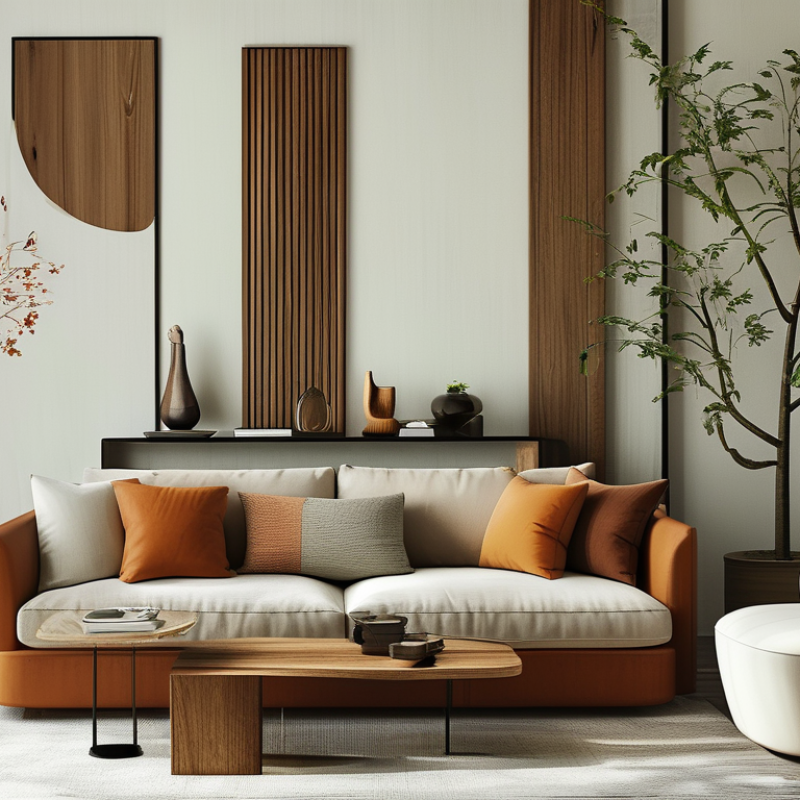
Emerging Color Palettes for Home Furniture in 2026
In 2026, the world of home furniture design is leaning into fresh and inspiring color palettes. Expect to see soft earthy tones making a comeback, such as muted greens and warm terracottas. These shades evoke a sense of calm and connection to nature. They work beautifully with natural materials like wood and stone, adding a touch of sophistication to any space.
Bright, bold colors also emerge as a focal point for creativity. Think deep blues and rich reds that energize rooms. When paired with neutral furniture, these hues create remarkable contrasts. However, balancing these vibrant shades can be tricky. It's essential to blend them thoughtfully to avoid overwhelming your space. Consider using bold colors in accessories or accent pieces rather than the main furniture selections.
Texture adds another layer to the color palette. Fabrics like velvet and linen in trendy shades enhance tactile experiences. The juxtaposition of smooth and rough textures offers visual interest. Although these trends reflect current tastes, personal preference still reigns supreme. Choosing what resonates with you can lead to a unique and inviting home environment.
Emerging Color Palettes for Home Furniture in 2026
Innovative Materials transforming Furniture Design Trends
The future of furniture design is heavily influenced by innovative materials. Designers are exploring materials that not only enhance aesthetics but also bring functionality to the forefront. For instance, sustainable materials like bamboo and reclaimed wood are gaining popularity. These resources not only reduce environmental impact but also offer unique textures that can transform any space.
Alongside sustainability, new synthetic materials are emerging. For example, bio-based plastics are now being used to create furniture that is lightweight yet durable. These materials often mimic the look of natural substances. Furthermore, advances in textiles have led to the creation of stain-resistant and easy-to-clean fabrics. This innovation ensures longevity and practicality, appealing to a modern, busy lifestyle.
Yet, the rise of these materials comes with challenges. There are concerns regarding the long-term sustainability of synthetic alternatives. Additionally, some eco-friendly materials may lack the refined look that traditional woods provide. Designers must find a balance between aesthetics, durability, and environmental responsibility. As they navigate these complexities, the future looks promising for a more innovative and thoughtful approach to home furniture design.
2026 Best Trends in Home Furniture Design You'll Love
| Trend |
Description |
Innovative Material |
Sustainability Aspect |
| Biophilic Design |
Incorporating natural elements into furniture to create a connection with nature. |
Recycled Wood |
Promotes reuse of materials, reducing environmental impact. |
| Multifunctional Pieces |
Furniture that serves multiple purposes to save space. |
Bamboo |
Fast-growing and renewable resource. |
| Minimalist Aesthetic |
Emphasis on simplicity and functionality in design. |
Metal Alloys |
Long-lasting durability reduces need for frequent replacements. |
| Upcycled Designs |
Furniture made from salvaged materials with unique character. |
Reclaimed Fabrics |
Reduces waste by repurposing textiles. |
| Smart Furniture |
Integration of technology in furniture for enhanced functionality. |
Carbon Fiber |
Lightweight and strong, reduces overall material use. |
Sustainable and Eco-Friendly Furniture Choices for Modern Homes
Sustainable furniture choices are vital for modern homes. Eco-friendly materials reduce our carbon footprint. Look for options made from reclaimed wood, bamboo, or recycled metals. These materials add unique character to your space while being kind to the planet.
Design plays a crucial role in furniture sustainability. Minimalist designs often use less material. They also create a timeless look that can adapt to any decor. Upholstered pieces using organic fabrics are increasingly popular. These choices eliminate harmful chemicals found in traditional textiles, promoting a healthier living environment.
However, selecting sustainable furniture isn’t always straightforward. Not all labels are trustworthy. It’s important to research sources and production practices. Challenge yourself to seek transparency in the brands you choose. The journey towards a more sustainable home requires patience and dedication. Give yourself time to explore options. Ultimately, each small decision contributes to a better future.
Multifunctional Furniture for Space Optimization in Small Homes
In the modern landscape of home furniture design, multifunctional pieces have become essential for space optimization, particularly in small homes.
A recent report by the National Association of Home Builders highlights that 70% of American adults prioritize versatile furniture when selecting household items.
This trend reflects our changing lifestyles and the need for efficient use of limited space.
Consider a sofa that converts into a bed or an ottoman with hidden storage. These designs are not just trendy; they solve practical problems.
The average studio apartment measures around 500 square feet, making it crucial to select furniture that serves multiple purposes.
The American Furniture Manufacturers Association underscores that multifunctional furniture can increase perceived space by up to 30%, making small homes feel larger and more inviting.
However, the challenge lies in balancing style and functionality. Some multifunctional designs may sacrifice aesthetics for practicality, leading to a cluttered appearance.
Additionally, not all multifunctional furniture builds quality that lasts.
A study from the Furniture Today magazine reveals that about 25% of consumers express dissatisfaction with the durability of such pieces.
Designers should strive for quality while keeping functionality at the forefront, ensuring that these innovations are both beautiful and sustainable.
The Role of Technology in Shaping Future Furniture Designs
As technology continues its rapid evolution, the furniture design industry is undergoing significant transformation. Recent studies indicate that over 70% of designers believe technology will drive major changes in furniture design within the next few years. Advanced manufacturing, such as 3D printing, allows for customization and reduced waste, creating a unique blend of functionality and style.
Smart furniture, equipped with features like wireless charging and integrated lighting, is increasingly popular. According to market reports, the smart furniture market is projected to reach $5 billion by 2025. This growth highlights a shift toward multifunctional designs that prioritize user experience and convenience. Consumers now seek pieces that adapt to their lifestyles, blending aesthetics with practicality.
However, the rapid integration of technology into furniture design raises questions. Will these innovations enhance our living spaces, or will they complicate them? As we embrace smart features, there is a risk of sacrificing simplicity and comfort. The challenge lies in balancing tech-savvy solutions with timeless design principles, ensuring that functionality does not overshadow comfort and style. This reflection invites designers to consider the emotional connection between users and their furniture, promoting a more thoughtful approach to future creations.
FAQS
: Sustainable materials like bamboo and reclaimed wood are trending. They offer unique textures and reduce environmental impact.
New synthetic materials, such as bio-based plastics, are lightweight and durable. They can mimic the look of natural substances.
Textiles have become stain-resistant and easy to clean. This innovation supports a modern, busy lifestyle.
Concerns exist about the long-term sustainability of synthetic options. They may not always match the aesthetics of traditional woods.
Multifunctional pieces help maximize space in small living areas. They are essential for efficiency and comfort.
Such furniture can increase the perception of space by up to 30%. This makes small homes feel larger and more inviting.
Balancing style and functionality is tough. Some designs may appear cluttered or sacrifice aesthetics for practicality.
About 25% of consumers report dissatisfaction with durability. It's essential for designers to focus on quality and longevity.
Designers need to balance aesthetics, functionality, and sustainability. This ensures that furniture remains both beautiful and practical.
Not all pieces of multifunctional furniture offer lasting quality. Consumers should research durability before making a purchase.
Conclusion
In 2026, the question of what are the latest trends in home furniture design is increasingly shaped by vibrant emerging color palettes that reflect both contemporary aesthetics and personal expression. Innovative materials are at the forefront, transforming traditional furniture concepts into more functional and stylish pieces, while sustainable and eco-friendly choices cater to the growing demand for responsible living.
Additionally, multifunctional furniture is becoming essential for optimizing space in smaller homes, allowing for versatile living without compromising on style. Finally, the integration of technology plays a pivotal role in shaping future furniture designs, enhancing both usability and comfort. Together, these trends signify a shift towards a more thoughtful, stylish, and environmentally conscious approach to home furniture design.

 Salonix Furniture