Creating a functional storage space at home is essential for any modern household, especially in 2026. As our lifestyles evolve, so does our need for efficient organization. Many people struggle with clutter and chaos in their living spaces. They often ask themselves how to design a functional storage space at home that meets their specific needs.
Consideration of the size and layout of your space is crucial. Storage solutions must complement your home’s design while serving a practical purpose. Open shelving can create an inviting atmosphere, but it requires careful organization. The right balance is sometimes hard to achieve. You may feel overwhelmed by choices, unsure about how to proceed.
Innovative ideas can help. Think about creating multifunctional furniture that can hide clutter and serve a dual purpose. Reflection on your preferences is important. You need to ask which items truly matter and how to maintain the space effectively. The goal is not just to store things but to create a harmonious environment that enhances your daily life.
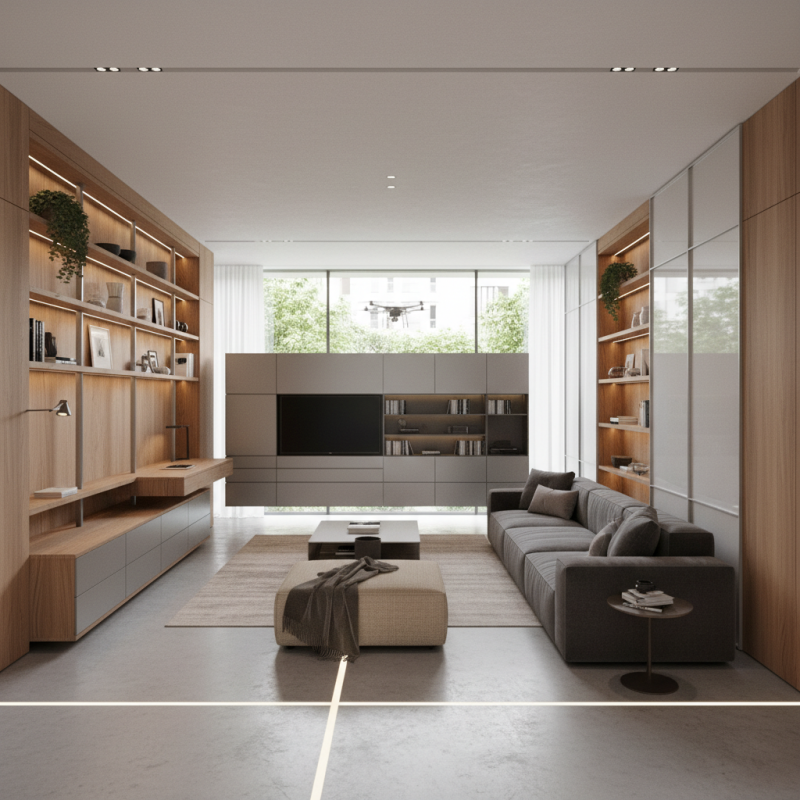
Assessing your storage needs is crucial for a functional home in 2026. Start by evaluating what you own. Make three piles: keep, donate, and discard. This process clears out clutter and gives insight into your storage requirements.
Think about your lifestyle. Do you frequently host guests? You may need extra space for linens or dining essentials. If you work from home, a dedicated area for files and tools is essential. Understanding these needs shapes your storage design.
Tips: Consider vertical storage options. Shelves can maximize unused wall space. Use clear bins for visibility. Label each container clearly. This makes finding items easier and promotes organization. Set a yearly reminder to reassess your needs. Life changes often prompt a need for more or less space. Adaptability is key for a functional home.
Creating an innovative storage space at home can transform how you live. As we move deeper into 2026, technology reshapes our approach to organization. Smart storage solutions harness artificial intelligence, offering customization for your unique needs. These systems can analyze space and items to suggest optimal arrangements.
Foldable furniture emerges as a revolutionary concept. Compact designs that expand create multifunctional areas. They maximize space while retaining style. Consider shelves that adapt dynamically to your requirements. Movable sections allow for easy rearrangement. This flexibility meets the challenges of ever-changing living situations.
Incorporating technology also brings challenges. Not every solution suits individual preferences or lifestyles. Some homeowners may find smart systems overwhelming. The balance between high-tech and usability remains essential. As you explore innovative options, it’s crucial to reflect on what truly enhances your space. A well-thought-out combination of tech and traditional methods can lead to a truly functional environment.
In 2026, creating functional storage at home is crucial for enhancing organization. Multi-purpose spaces that combine aesthetics and utility are trending. According to a survey by the American Institute of Architects, 75% of homeowners want versatile spaces. These areas serve various needs, from home offices to craft corners.
Designing a multi-purpose room requires careful planning. Utilize vertical space with shelving that can hold décor or work materials. Compact furniture is essential; consider foldable desks or nested tables. These solutions maximize room efficiency. A study by the National Association of Home Builders found that homes with multi-functional layouts increase in value by nearly 20%. This data reveals the return on investment for thoughtful design.
Reflecting on organization challenges, many face clutter due to poor space management. Simply adding storage doesn’t guarantee a tidy space. Regularly assess what you keep. A functional storage solution should adapt over time. Prioritizing usability will lead to a more harmonious living environment. Balancing aesthetics and function is an ongoing journey.
| Storage Type | Dimensions (L x W x H) | Material | Purpose | Estimated Cost ($) |
|---|---|---|---|---|
| Under-Bed Storage | 75 x 15 x 10 inches | Plastic | Seasonal Items | 50 |
| Wall-Mounted Shelves | 24 x 12 x 2 inches | Wood | Books and Decor | 75 |
| Storage Ottomans | 30 x 30 x 18 inches | Fabric | Seating & Storage | 120 |
| Closet Organizers | Various Sizes | Metal | Clothes & Accessories | 200 |
| Multi-Purpose Carts | 36 x 18 x 36 inches | Plastic & Steel | Kitchen & Office | 150 |
Creating a functional storage space at home is increasingly essential as our living areas become smaller. In 2026, focusing on sustainability and eco-friendly materials will be crucial. Reports indicate that 67% of consumers prioritize sustainable products in home design. This growing trend emphasizes the importance of using materials that are not only durable but also environmentally friendly. Natural fibers, recycled metals, and reclaimed wood are excellent options.
When selecting storage solutions, think about multifunctionality. Furniture that serves multiple purposes can help minimize clutter. Consider using upcycled crates for shelving. They add character and are a sustainable choice. Plant-based materials, like bamboo, are both sturdy and eco-conscious. This approach showcases your commitment to the environment while creating unique storage spaces.
Tips: Incorporate vertical storage to save space. Use hooks and shelves to utilize wall areas effectively. Regularly evaluate your storage needs. Discard or donate items you no longer use. This prevents accumulation and promotes mindfulness in consumption. Establishing a functional storage space requires ongoing reflection and adjustment. Every choice counts, making sustainability not just a trend but a lifestyle.
Creating a personalized storage plan requires understanding your lifestyle. According to a recent survey by the National Association of Professional Organizers, 82% of people feel overwhelmed by clutter. This statistic highlights the need for tailored solutions. Start by assessing how you use your space. Different lifestyles demand different organization methods. For example, a family with young children may need open storage for toys. A minimalist may prefer hidden storage.
Next, evaluate what you own. The average American home contains around 300,000 items, and not all are necessary. Consider sorting items into categories: keep, donate, or discard. This method helps in prioritizing what remains. It also promotes mindfulness about possessions. Emotional attachments can complicate decisions, so be honest about each item's value.
Furthermore, optimize your space based on functionality. Vertical storage can transform small areas. Open shelving provides visibility, while closed cabinets can reduce visual clutter. A study from the American Institute of Stress indicates that disorganization contributes to anxiety. By creating an efficient storage plan, you can enhance your living area’s peace and functionality. Reflect on your needs periodically; adjustments may be necessary as your lifestyle changes.
: A multi-purpose space combines different functions, such as a home office or a craft area. It maximizes utility and aesthetics.
Careful planning helps in utilizing vertical space and incorporates versatile furniture, enhancing overall room efficiency.
Install shelves that hold both décor and work materials. This adds storage without consuming floor area.
Understand your lifestyle and how you use your space. Tailor your storage solutions based on specific needs.
Evaluating belongings is crucial. Sorting items into keep, donate, or discard helps prioritize what you really need.
Clutter often stems from poor space management. Simply adding storage doesn't automatically create a tidy environment.
Regularly assess your storage needs and adjust your plan as your lifestyle changes. Flexibility is key.
Disorganization can contribute to anxiety and stress. A tidy environment promotes peace and improves functionality.
Compact furniture like foldable desks or nested tables is ideal. They save space while maximizing usability.
Emotional connections can complicate decisions about items. Reflect on each piece's true value to make better choices.
In the quest to create a functional storage space at home in 2026, it is essential to start by assessing your specific storage needs. Understanding what you wish to store allows you to explore innovative storage solutions and technologies that can enhance organization and efficiency. When considering how to design a functional storage space at home, incorporating multi-purpose areas can maximize your available square footage and keep items neatly organized.
Sustainability is increasingly vital, so utilizing eco-friendly materials in your storage solutions not only benefits the environment but also adds a modern touch to your home. Finally, creating a personalized storage plan tailored to your lifestyle and the unique characteristics of your space can lead to a more functional and harmonious living environment. By following these guidelines, homeowners can successfully create stylish and effective storage solutions for the future.

Salonix Furniture