How to Extend the Lifespan of Your Home Furniture Tips?

Time:2026-07-03 Author:Henry
0%

When it comes to how to extend the lifespan of home furniture, many homeowners overlook essential maintenance practices. Well-maintained furniture not only looks good but also serves you longer. With just a little effort, you can make your pieces last for years, if not decades.

Understanding the right ways to care for your furniture is crucial. Different materials demand different treatments. For instance, wood, leather, and fabric all require unique care routines. Knowing how to protect these surfaces from wear and tear is vital.

Reflecting on our daily habits is essential. Do you regularly dust your furniture? Or perhaps you forget to adjust humidity levels? These small oversights can significantly reduce the lifespan of your beloved pieces. Transforming these habits will pay off in the long run, ensuring your furniture lasts longer and remains a centerpiece in your home.
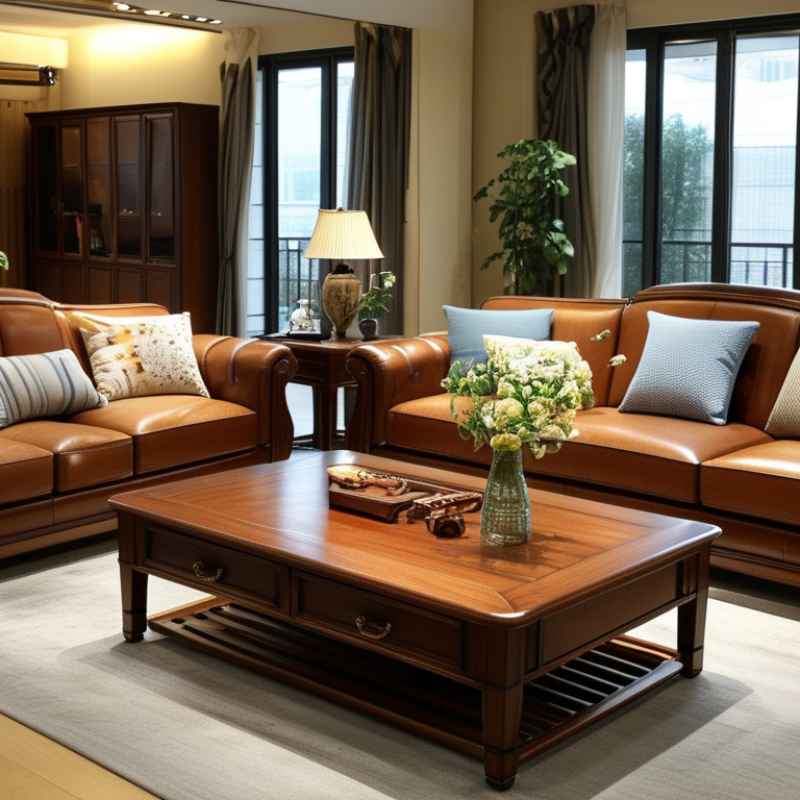
How to Extend the Lifespan of Your Home Furniture Tips?

Choosing the Right Materials for Durable Furniture

Selecting the right materials for furniture is essential for longevity and durability. Natural woods like oak and maple are popular choices. They not only provide a timeless look but also ensure sturdiness. Avoid using softwoods for frequently used pieces; they wear down quickly. Fabrics also matter. Look for high-quality upholstery that can withstand daily use. Materials like leather and tightly woven synthetics resist wear better than loose weaves.

Consider the environmental impact as well. Eco-friendly materials are becoming increasingly accessible. These options are not just sustainable; they often have unique textures. Bamboo, for instance, is a strong alternative. It’s lightweight yet resilient, making it a great choice for modern designs. Think about maintenance too. Some materials require more care than others. High-maintenance pieces can lead to disappointment over time. Reflect on your lifestyle when making choices.

Ultimately, the right materials can enhance not just the aesthetics but also the functional lifespan of your furniture. Reliable craftsmanship plays a role too. Well-crafted pieces may come at a higher cost but can be worth it in the long run. Each material has its strengths, but understanding them is crucial. Experimenting can lead to unforeseen preferences. Choose wisely, and ensure that every piece fits your needs.

Regular Cleaning Practices to Maintain Furniture Appearance

Maintaining the appearance of your home furniture is crucial for its longevity. Regular cleaning practices are key. Dust and dirt can accumulate quickly, dulling the finish of wooden pieces. A soft microfiber cloth works wonders. Wipe surfaces weekly to prevent buildup. Don’t forget to get into crevices where dust hides.

Stains can be a challenge. Immediately blot spills with a clean cloth; don’t rub. Use appropriate cleaners for your furniture type, but always test on a small area first. This prevents damage. For upholstered furniture, vacuuming is essential. Use an upholstery attachment at least once a month. This helps remove debris that could cause wear.

Consider seasonal upkeep. Rotate cushions to prevent uneven wear. Even the best care might not keep all furniture looking new. Over time, wear and tear is inevitable. Acknowledge that some imperfections add character. Reflection on these details can guide your cleaning routine. Embrace the process of maintaining your beloved pieces.

Protecting Furniture from UV Light and Moisture Damage

UV light and moisture can take a toll on your furniture, causing fading and warping over time. To preserve the beauty and functionality of your pieces, consider these protective measures. First, use window treatments like curtains or blinds. They block harmful UV rays while adding style to your home. This simple change can significantly reduce sun damage.

Next, invest in coasters and trays. These catch spills and prevent moisture from sitting on surfaces. Consider placing a protective sealant on wooden furniture. This adds a barrier against water and humidity. It’s a task that requires attention but pays off in the long run. Remember, even small droplets can lead to big problems.

Another tip is to monitor humidity levels in your home. Maintaining a stable environment prevents wood from expanding or contracting. Sometimes, it might feel like too much work, but regular checks can save your favorite pieces from damage. Lighting choices matter too; opt for LED bulbs that emit less heat and UV radiation. These small adjustments contribute to a healthier atmosphere for your furniture.

Proper Techniques for Moving and Rearranging Furniture Safely

Moving and rearranging furniture can be daunting. It requires safety and care to avoid damage to your furniture and home. Start by clearing the area. This helps prevent accidents and allows for smoother movement. When lifting, always bend your knees. This technique reduces strain on your back.

Use furniture sliders under heavy items. They make it easier to move larger pieces. If a piece is particularly heavy, ask for help. One set of hands can make a big difference. Be cautious with corners and door frames. Measure your furniture to know if it fits through tight spaces.

Consider the surface you are moving on. Carpet provides traction, while hardwood can be slippery. Take your time and avoid rushing. Mistakes can lead to scratches or injury. After rearranging, assess the new layout. Is it functional? Does it feel spacious? Reflect on these questions to ensure your setup works for you.

How to Extend the Lifespan of Your Home Furniture Tips? - Proper Techniques for Moving and Rearranging Furniture Safely

Tip Description Benefits
Use Furniture Sliders Place sliders underneath furniture legs to easily glide them across floors. Prevents scratches on floors and minimizes effort when moving furniture.
Lift, Don't Drag When moving heavy items, lift them instead of dragging to avoid damage. Reduces wear and tear on both the furniture and the flooring.
Disassemble When Possible Take apart pieces like beds and tables to make transport easier. Easier to maneuver in tight spaces and reduces the risk of damage.
Protect Corners and Edges Use corner protectors or blankets when moving to prevent scratches. Keeps furniture in good condition and maintains appearance.
Plan Your Layout Measure spaces and plan furniture placement before rearranging. Avoids unnecessary moving and helps visualize the space effectively.

Routine Maintenance: Repairing Scratches and Minor Damages

Maintaining your furniture's appearance is essential to extending its lifespan. Routine maintenance can help you keep your furniture in good shape. Focus on repairing scratches and minor damages promptly. They may seem small, but they can lead to bigger problems if ignored.

Take a close look at the surfaces of your furniture. Wood and upholstery often show signs of wear. For wood, you can use touch-up markers designed for furniture. They cover scratches effectively and blend in well with the finish. It’s a quick fix that can rejuvenate the piece. Upholstered furniture requires different care. Gently dab minor stains with a clean cloth. Avoid rubbing, as it can worsen the damage.

Don't forget to inspect regularly. Minor damages can hide and worsen over time. Ensure that your furniture receives attention in your cleaning routine. The more often you check, the less likely you’ll face severe issues. Sometimes, repairs might not turn out perfect, and that’s okay. Each piece tells a story, and some imperfections add character. Just remember, the goal is to protect your investment while enjoying your home’s unique style.

FAQS

: What are the best materials for durable furniture?

: Natural woods like oak and maple are excellent choices for durability and timeless appeal.

Why should softwoods be avoided for furniture?

Softwoods wear down quickly, making them unsuitable for frequently used pieces.

How can I ensure my furniture fabrics are durable?

Choose high-quality upholstery, like leather or tightly woven synthetics, for better wear resistance.

What should I consider regarding environmental impact when choosing furniture materials?

Opt for eco-friendly materials that are sustainable and often have unique textures.

How can I protect my furniture from UV light?

Use curtains or blinds to block UV rays and reduce the risk of fading.

What steps can prevent moisture damage to furniture?

Use coasters and sealants to protect surfaces from spills and humidity.

How do I maintain stable humidity levels for my furniture?

Regularly check humidity in your home to prevent wood expansion or contraction.

What technique should I use when lifting heavy furniture?

Bend your knees while lifting to reduce back strain.

How can furniture sliders help during a move?

Using furniture sliders makes it easier to move heavy items without damage.

Why is it important to assess furniture layout after rearranging?

Ensuring the new setup is functional and spacious helps improve overall comfort.

Conclusion

To understand how to extend the lifespan of home furniture, it's crucial to focus on several key factors. First, choosing the right materials can make a significant difference in durability; hardwoods or high-quality fabrics often stand the test of time better than cheaper alternatives. Regular cleaning practices are essential for maintaining the appearance of your furniture, helping to prevent the buildup of dirt and grime.

Moreover, protecting your furniture from UV light and moisture damage ensures that colors remain vibrant and surfaces stay intact. Utilizing proper techniques while moving and rearranging furniture can prevent accidental scratches and dents, while routine maintenance, such as repairing minor damages promptly, can prolong your furniture’s life. By incorporating these strategies, you can effectively enhance the longevity of your home furniture.

Henry

Henry

Henry is a dedicated marketing professional with a profound expertise in the company's offerings. With years of experience in the industry, he possesses an impressive understanding of the market dynamics and consumer behaviors that drive success. Henry is committed to sharing his insights through......