What Factors Influence the Durability of Furniture?

Time:2026-08-06 Author:Charlotte
0%

Furniture durability is essential for any home or office. It determines how long pieces last and their overall value. Consumers often seek high-quality furniture, but what factors affect furniture durability? Understanding these factors can help in making informed choices.

Materials play a significant role in durability. Hardwood, for example, tends to be sturdier than softwood. However, the source and treatment of wood also matter. Craftsmanship affects the final product. Poor construction can lead to early wear, regardless of material.

Environmental conditions cannot be ignored. Humidity, temperature, and sunlight exposure impact furniture lifespan. For instance, leather can crack in dry conditions. Reflecting on these aspects is crucial for maintaining furniture. Identifying specific needs helps in selecting the right options.
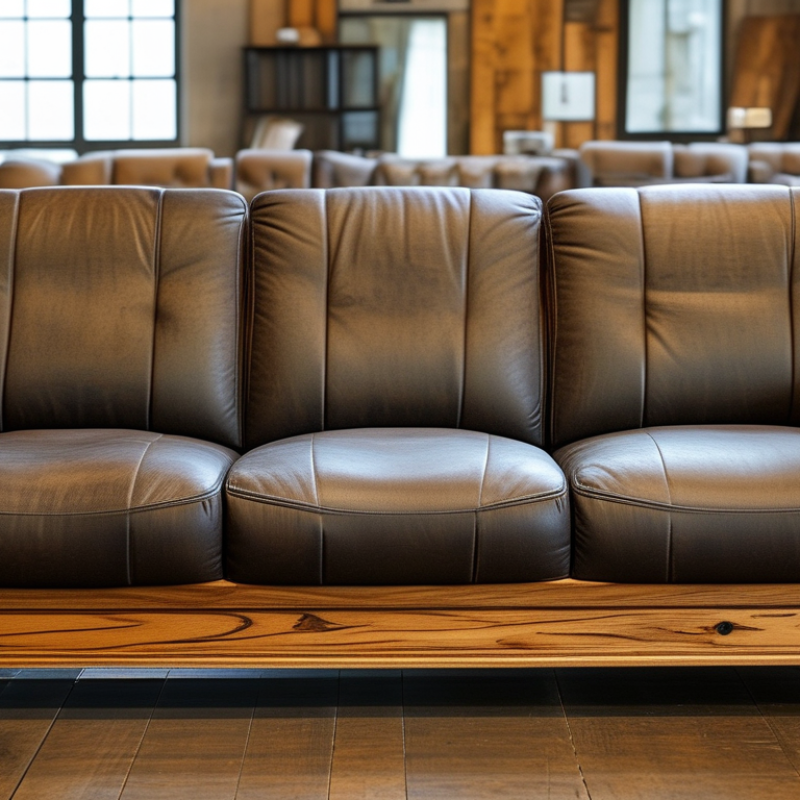
What Factors Influence the Durability of Furniture?

Materials Used in Furniture Construction and Their Impact on Durability

The choice of materials plays a crucial role in determining the durability of furniture. Solid wood is often viewed as the gold standard. It typically lasts longer than particleboard or plywood. Studies indicate that solid wood furniture has a lifespan of 20 years or more with proper care. This durable option can withstand regular use and environmental changes effectively. However, the environmental impact of sourcing such materials raises questions about sustainability.

Metal furniture is another strong contender. It offers both durability and resilience against wear. With a reported lifespan of up to 50 years, metal frames can endure heavy use and resist corrosion when treated properly. Yet, metal can be more prone to scratches and dents, which may affect its appearance over time. Furthermore, upholstered furniture demands careful consideration of fabric choice. High-quality fabrics can enhance longevity, while lower-quality options may fade and fray quickly.

In evaluating these materials, it’s essential to reflect on how they align with individual lifestyle needs. While durability is vital, the aesthetic appeal and comfort should not be overlooked. Balancing these factors leads to informed purchasing decisions, which can greatly influence long-term satisfaction.

Design and Structural Integrity: How Design Choices Affect Furniture Longevity

Furniture design significantly impacts its durability. The materials chosen play a crucial role in ensuring longevity. Solid wood typically outlasts particleboard. Design details like joints and support structures also matter. Well-crafted connections withstand wear much better. Attention to these factors can lead to a longer lifespan for your furniture.

Tips: Always check the joinery. Dovetailed or mortise and tenon joints are generally more durable. Aesthetic choices can influence usability too. Sleek designs might look appealing but could sacrifice support. Balance style and function in your decision-making.

Another aspect is weight distribution. A sofa designed with even support prevents sagging over time. Sharp corners might be visually striking, yet they can lead to damages from knocks. Aim for round edges if you have children around. This ensures safety while enhancing durability. Consider the environment where the furniture will be placed. Humidity and temperature fluctuations can also affect longevity, so choose accordingly.

What Factors Influence the Durability of Furniture? - Design and Structural Integrity

Factor Description Impact on Durability Examples
Material Quality The type of materials used in construction. Higher quality materials typically enhance durability. Solid wood vs. particle board.
Design Stability Structural design such as joinery and support. Well-designed furniture can withstand stress over time. Dovetail joints vs. butt joints.
Finish Quality Protective coatings and treatments applied to surfaces. Good finishes protect against wear and damage. Lacquered vs. unsealed wood.
Usage Environment Conditions like humidity and temperature in which the furniture is used. Extreme conditions can lead to warping and damage. Indoor vs. outdoor furniture.
Maintenance Care routines performed on furniture. Regular maintenance can extend the lifespan of furniture. Polishing and dusting.

Environmental Factors: The Role of Humidity and Temperature on Furniture Durability

Humidity and temperature play significant roles in determining furniture durability. High humidity can lead to warping or swelling in wooden pieces. For instance, hardwoods absorb moisture, which impacts their integrity. Conversely, low humidity can cause wood to crack or split. This highlights the delicate balance that needs to be maintained for optimal furniture longevity.

Temperature fluctuations also influence furniture conditions. Extreme heat can weaken adhesives used in constructions, while cold can make materials brittle. For example, in a hot environment, upholstered materials might degrade faster than in controlled climates. Regularly checking the environment where furniture resides can prevent unexpected damages.

Many furniture owners overlook these factors, thinking a simple cleaning is enough. Awareness of humidity and temperature levels empowers better care choices. Relying solely on aesthetic appeal can sometimes lead to neglect. Therefore, understanding these elements is crucial for anyone wishing to invest in quality furniture.

Maintenance Practices: Best Ways to Care for Furniture to Enhance Its Lifespan

Furniture longevity hinges on proper maintenance. Regular cleaning is vital. Dust can accumulate and scratch surfaces over time. Use a soft cloth to wipe surfaces gently. Avoid harsh chemicals that might damage the finish. Instead, opt for natural cleaners whenever possible.

Water spills can be problematic. Wipe them immediately to prevent stains or warping. For wooden furniture, consider applying a protective oil to nourish the wood. This can enhance its luster. Additionally, check and tighten hardware regularly to ensure stability.

Some furniture pieces may show signs of wear. This is normal. Embrace those imperfections. They tell a story. Repair scratches and dents promptly. This proactive approach can extend the life of your furniture. Remember, consistency is key in maintenance. Regular care can make a notable difference.

Quality of Craftsmanship: The Importance of Skilled Manufacturing in Durability

The durability of furniture heavily hinges on the quality of craftsmanship. Skilled manufacturing ensures that each piece is built with attention to detail. Reports show that well-crafted furniture can last anywhere from 15 to 25 years, significantly outperforming mass-produced counterparts. For instance, a study by the Furniture Industry Association found that high-quality materials combined with expert techniques reduce wear and tear.

Often, the type of joinery used plays a critical role in longevity. For example, dovetail joints are renowned for their strength. They resist separating over time, unlike simple screws or nails. However, not all manufacturers prioritize these techniques. Many opt for cost-cutting measures, leading to issues like wobbling or breakage. This inconsistency reflects a need for greater accountability in how furniture is made.

Another point to consider is the choice of materials. Solid wood tends to be more durable than particleboard. However, good craftsmanship can sometimes compensate for lower-quality materials. A remarkable finish can enhance aesthetics, but it shouldn't mask fundamental weaknesses. Over time, even the best finish will degrade if the underlying structure is flawed. Examining these factors helps consumers make informed decisions in their furniture investments.

Factors Influencing the Durability of Furniture

FAQS

: What design choices impact furniture longevity?

: Material selection is key. Solid wood typically last longer than particleboard.

Why do joints matter in furniture?

Well-crafted joints, like dovetailed or mortise and tenon, enhance durability. Poor joinery leads to quicker wear.

How does weight distribution affect furniture?

Even support prevents sagging over time. Designs lacking balance can lead to deterioration.

Are sharp corners a good choice for furniture?

While visually appealing, sharp corners can cause damage. Round edges are safer, especially in homes with children.

How do humidity and temperature affect wood furniture?

High humidity may warp wood, while low levels can cause cracking. Both extremes are detrimental to furniture.

How often should I check my furniture's environment?

Regular checks are necessary. It helps prevent unexpected damage from humidity and temperature fluctuations.

Can aesthetic choices compromise furniture durability?

Yes, sleek designs might sacrifice support. It's important to find a balance between style and function.

What happens to adhesives in extreme temperatures?

Extreme heat can weaken adhesives. Cold conditions may cause materials to become brittle over time.

Is cleaning enough for furniture maintenance?

Simple cleaning isn’t sufficient. Being aware of environmental factors is essential for long-lasting care.

How can I ensure longevity in my furniture?

Focus on materials, joints, and design details. Also, consider environmental impacts on your furniture's longevity.

Conclusion

When considering what factors affect furniture durability, several key elements come into play. The materials used in furniture construction are crucial; different woods, metals, and upholstery materials can greatly influence how long a piece will last. Additionally, design and structural integrity are significant, as thoughtful design choices can enhance stability and longevity.

Environmental factors such as humidity and temperature also play a role, as excessive moisture or heat can weaken materials over time. Regular maintenance practices further contribute to extending the lifespan of furniture, ensuring that it remains in good condition. Lastly, the quality of craftsmanship cannot be overlooked; skilled manufacturing leads to better durability, making it essential for consumers to prioritize quality when selecting furniture. Together, these factors create a comprehensive understanding of furniture durability.

Charlotte

Charlotte

Charlotte is a seasoned marketing professional with a deep understanding of the company's portfolio and a passion for elevating its presence in the market. With a keen eye for detail and a commitment to excellence, she ensures that our professional blog is regularly updated with insightful articles......