How to Buy Furniture in Bulk in 2026 What to Consider?

Time:2026-09-15 Author:Liam
0%

Buying furniture in bulk in 2026 requires more than finding the lowest supplier quotation. It involves careful planning, product testing, cost control, and dependable communication. Retailers, hotels, property managers, and office planners must evaluate every stage, from product selection to final delivery. A large order can reduce unit costs, but one design mistake may affect hundreds of rooms or workspaces.

The key question is: what should you consider before buying furniture in bulk? Start with the intended use, available space, target customers, and expected durability. Request physical samples whenever possible. Check the frame, joints, upholstery, finish, packaging, and hardware. A dining chair may look attractive online, yet feel unstable after repeated use. Measurements matter too. A small difference in table height or cabinet depth can create expensive installation problems.

Reliable suppliers should provide clear specifications, production timelines, warranty terms, and realistic shipping estimates. Verify their business history and ask for references or recent project examples. Do not ignore inspection arrangements. Independent checks before shipment may reveal scratches, uneven finishes, missing parts, or incorrect colors. These details become difficult to fix after delivery.

Bulk purchasing also requires a complete cost calculation. Include freight, storage, assembly, taxes, replacement units, and possible delays. Sustainability claims should be supported by credible material information, not attractive marketing alone. A low price is useful, but it is not the whole decision. The honest weakness in many purchasing plans is overconfidence. Buyers may focus on savings and overlook operational risks. Careful comparison creates a safer, more dependable furniture investment.
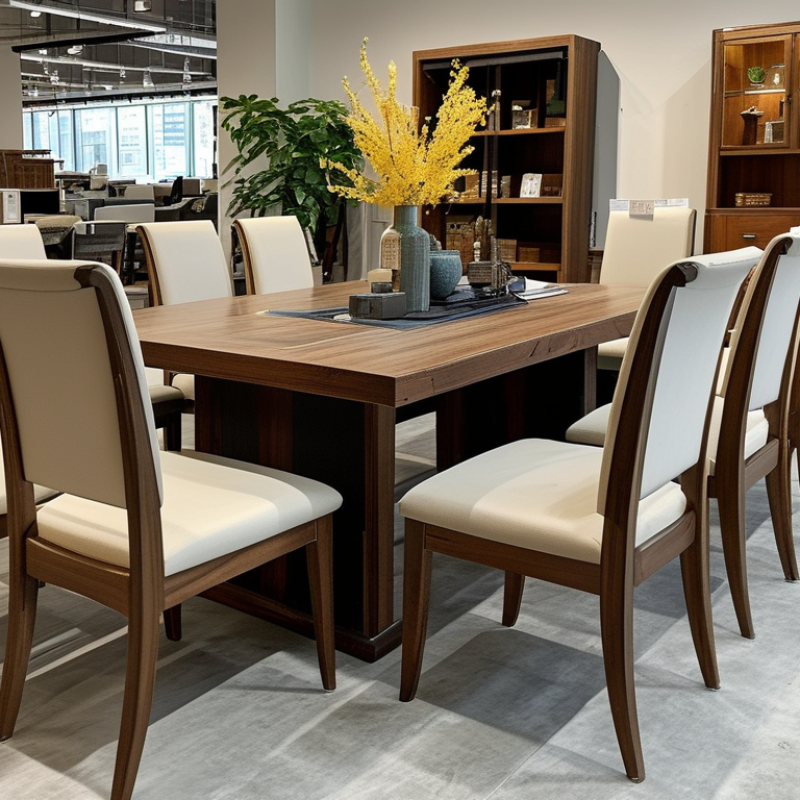
How to Buy Furniture in Bulk in 2026 What to Consider?

Define Your Bulk Furniture Needs and Buying Goals

Before buying furniture in bulk in 2026, define exactly what “bulk” means for your project. A 20-room hotel, a student residence, and a growing office need different purchasing plans. Start with the room. List each item, required quantity, dimensions, material, color, and expected service life. Measure twice. Door widths, elevator space, and storage capacity can change the order.

Your goal should be specific and measurable. You may want to reduce unit costs, furnish rooms before opening, maintain a consistent appearance, or secure replacement pieces for future repairs. Separate essential features from preferences. For example, commercial seating may need stain resistance and reinforced joints, while a private rental may prioritize appearance and easy cleaning. Request samples, product specifications, warranty terms, and realistic production schedules before approving a large order.

Do not rely only on the lowest quotation. A cheaper unit can create higher costs through damaged deliveries, inconsistent finishes, or difficult assembly. I have seen buyers underestimate installation time because they counted boxes, not labor hours. That assumption can hurt. Build a small contingency into the quantity and budget, but avoid ordering extra items without a storage plan. Compare at least three written proposals using the same specifications. Record every change, including fabric codes, packaging requirements, delivery windows, and acceptable defects. Your needs may evolve during planning, so review the list before payment, not after the truck arrives.

Set a Budget and Calculate the Total Purchase Cost

When buying furniture in bulk, set a firm budget before requesting supplier quotes. In my purchasing experience, the invoice rarely shows the complete cost. Begin with the unit price multiplied by the required quantity. Then add delivery, insurance, unloading, assembly, storage, and applicable taxes. Leave room. Unexpected charges appear quickly.

Create a simple cost sheet for every item. Record dimensions, materials, packaging, minimum order quantities, and payment terms. A large table may seem affordable, but its oversized packaging can increase freight costs. Check whether delivery is curbside or placed inside the building. These services can differ significantly. Request written quotations with clear currency, validity dates, and included services.

My first bulk estimate once excluded storage for three weeks. That mistake changed the project margin. Now, I calculate the total purchase cost using this formula: product cost plus logistics, services, taxes, and contingency. A contingency of 8% to 15% can protect the budget from minor changes. Use the higher percentage for custom finishes or distant delivery locations. Compare the final cost per usable piece, not only the advertised unit price. A cheap item with high handling costs may become expensive. Review the spreadsheet with someone who can challenge your assumptions. It adds up.

Research Suppliers, Product Quality, and Minimum Order Terms

Buying furniture in bulk in 2026 starts with supplier research, not a quick price comparison. I usually request factory details, trade references, production photos, and recent quality records. A video call can reveal storage conditions, packing methods, and whether the workshop looks active. Ask who makes each item. Some suppliers outsource silently, which can complicate inspections and delivery schedules. Verify business registration through reliable commercial records where available. I once focused too heavily on a low quote and missed slow response times. That mistake cost planning time.

Product quality needs measurable standards. Request material specifications, dimensions, finish samples, load ratings, and assembly instructions. For upholstered pieces, check fabric composition, seam strength, foam density, and odor after unpacking. Order samples before approving a container-sized shipment. Inspect joints, drawer movement, surface edges, and hardware alignment. Photographs are useful, but they can hide uneven color or weak corners. Use an independent inspection when the order is valuable. Still, inspections are not magic. They may miss damage caused during loading.

Minimum order terms deserve careful negotiation. Ask whether MOQ applies per design, color, size, or total shipment. Confirm deposit percentages, balance timing, lead time, replacement rules, and packaging charges in writing. A smaller trial order may cost more per unit, yet it can expose defects early. Do not assume flexible terms are permanent. Seasonal capacity changes can affect production. Keep a written approval sample and record every revision. I sometimes leave too little time for rework, especially when several products share one shipment. That weakness should be planned for, not hidden.

Compare Quotes, Shipping Options, and Delivery Timelines

How to Buy Furniture in Bulk in 2026: What to Consider?

Buying furniture in bulk requires more than comparing unit prices. Request itemized quotes showing materials, dimensions, finishes, packaging, and minimum order quantities. I once accepted a low quote that excluded reinforced cartons. Several pieces arrived with damaged corners. That mistake changed how I review supplier proposals.

Compare shipping options carefully. Ocean freight may reduce costs, but it usually needs longer planning. Ground delivery can be faster for regional orders. Ask whether the price includes loading, customs handling, insurance, residential delivery, and liftgate service. A pallet at a warehouse is not the same as furniture delivered inside your building. Confirm the delivery timeline in writing, including production time, transit time, and unloading appointments. Allow extra days for inspections. Estimates can shift, and one promised date may be too optimistic.

Tips: Build a comparison sheet with identical specifications. Record every fee separately. Request a sample package before placing a large order. Check carton labels, pallet dimensions, and damage procedures. Ask what happens when only part of the shipment arrives. Keep a small time buffer. It feels unnecessary until delays affect installation crews or opening dates. Recheck the numbers before signing.

Inspect, Order, and Manage Your Furniture Inventory

How to Buy Furniture in Bulk in 2026: What to Consider?

Buying furniture in bulk requires more than comparing unit prices. Inspect every sample under natural light. Check joints, drawer alignment, surface finish, fabric tension, and packaging strength. A beautiful sample can hide weak construction in a larger shipment. I once approved a table finish too quickly, and several pieces showed visible shade differences. That mistake made quality control stricter.

Keep a written inspection sheet for every product code. Record measurements, materials, color references, defect photos, and approved tolerances. Before ordering, confirm quantities, production dates, delivery windows, replacement terms, and payment stages. Request a small production batch when possible. It reveals problems earlier. Do not rely only on verbal promises or a single showroom sample.

Tips: Assign one person to inspect incoming goods. Use barcode labels and update inventory immediately. Separate damaged items from sellable stock. Track fast-moving colors and sizes each week. Set reorder points before shelves become empty. A simple spreadsheet may work at first, but larger inventories need location codes and regular cycle counts. Review storage space before ordering; crowded aisles can damage corners and slow counting. Leave room for error. Forecasts are useful, but customer demand can change without warning.

How to Buy Furniture in Bulk in 2026 What to Consider? - Inspect, Order, and Manage Your Furniture Inventory

A practical bulk-furniture purchasing and inventory-control framework for commercial buyers

Stage Data Dimension What to Measure or Confirm Recommended Planning Standard Review Frequency Decision Signal
Inspect Product specification Dimensions, materials, finish, load capacity, assembly method, packaging, and required safety documentation Approve a signed specification sheet before placing the bulk order Every new item or design change Ready when documented
Inspect Pre-production sample Compare the approved sample with drawings, color references, hardware, upholstery, and construction details Do not authorize mass production until the reference sample is accepted Before each new production run Sample approval required
Inspect Quality inspection plan Define inspection stages, defect classes, tolerances, photographs, test methods, and corrective-action deadlines Use a written inspection checklist covering appearance, dimensions, function, and packaging Before production and before shipment Escalate unclear criteria
Inspect Defect classification Separate critical, major, and minor defects so that cosmetic issues are not treated like safety failures Any safety-related or legally unacceptable defect should be treated as a shipment hold Every inspection Hold for critical defects
Inspect Packaging protection Corner protection, moisture barriers, edge protection, internal bracing, carton strength, labels, and handling marks Packaging should protect finished surfaces during stacking, loading, transport, and unloading Every shipment and packaging revision Transit test recommended
Order Demand forecast Historical sales, confirmed projects, seasonal demand, replacement demand, and expected assortment changes Use at least three demand scenarios: conservative, expected, and high demand Monthly or before a major purchase Order from a range
Order Minimum order quantity Supplier minimums compared with storage capacity, expected sales, cash flow, and product shelf life Do not accept a minimum quantity that creates excessive aged or obsolete inventory Before quotation approval Negotiate quantity or mix
Order Landed cost Unit price, packaging, inland transport, freight, insurance, duties, taxes, inspection, handling, and expected damage Compare suppliers using total landed cost rather than unit price alone Every quotation and major freight change Use landed-cost comparison
Order Lead time Time for confirmation, material purchasing, production, inspection, export preparation, transit, and receiving Record average lead time and a conservative lead-time scenario for each item Every purchase order Add schedule buffer
Order Payment exposure Deposit percentage, balance timing, currency risk, payment milestones, and remedies for delay or defects Link final payment to documented shipment approval where commercially possible Before contract signing Control cash exposure
Manage SKU master data SKU code, product name, dimensions, color, material, carton quantity, unit weight, cubic volume, and location Maintain one controlled record for every sellable variation Whenever product data changes Single source of truth
Manage Reorder point Average demand during lead time plus safety stock, adjusted for supplier reliability and demand variability Reorder point = lead-time demand + safety stock Monthly or after demand changes Automate alerts
Manage Safety stock Extra units held to cover forecast error, late deliveries, damage, and demand spikes Set by service-level needs and variability; avoid applying one percentage to every SKU Monthly or quarterly Review high-stock items
Manage Inventory accuracy Difference between system quantity and physically counted quantity Investigate recurring variances rather than repeatedly making manual adjustments Cycle counts weekly or monthly by item importance Variance under control
Manage Aging inventory Units and value that have remained unsold beyond the planned holding period Create action bands such as 90, 180, and 365 days to trigger pricing or purchasing decisions Monthly Reduce replenishment
Manage Storage utilization Occupied pallet positions, cubic volume, aisle access, stacking limits, and handling space Reserve usable space for receiving, picking, returns, and safety access—not only stored stock Monthly or before bulk orders Check capacity first
Manage Damage and returns Damage rate by SKU, packaging failure, assembly issue, customer return reason, and recovery value Track damage separately for receiving, storage, delivery, assembly, and customer use Per shipment and monthly summary Correct root cause
Manage Supplier performance On-time delivery, accepted quantity, defect rate, response time, claim resolution, and specification compliance Use a documented scorecard before repeating or increasing order volume After every shipment and quarterly review Increase volume selectively
Planning note: Targets should be adjusted for furniture type, destination regulations, storage conditions, delivery model, product value, and customer service requirements. All costs and quantities should be calculated using the same unit of measure.

FAQS

What should I research before choosing a bulk furniture supplier?

Request factory details, trade references, production photos, and recent quality records. A video call can reveal storage conditions and packing methods. Ask who makes each item. Some suppliers quietly outsource production, creating inspection delays. I once chose a low quote and ignored slow replies. That mistake damaged my schedule.

How can I verify furniture quality before placing a large order?

Request material specifications, exact dimensions, finish samples, load ratings, and assembly instructions. Inspect joints, drawer movement, surface edges, and hardware alignment. Use natural light. Photos can hide uneven colors and weak corners. Order samples before approving a large shipment.

What should I check when buying upholstered furniture in bulk?

Check fabric composition, seam strength, foam density, and odor after unpacking. Pull seams gently and inspect fabric tension. Look for uneven stitching. A sample may not represent every production piece. Record acceptable tolerances in writing.

Is an independent inspection enough for a valuable furniture order?

An independent inspection can identify defects before shipment. However, it cannot guarantee perfect goods. Loading may cause damage afterward. Inspect packaging strength and corner protection too. Inspection helps, but it is not magic.

How should minimum order quantities be negotiated?

Confirm whether the minimum applies per design, color, size, or total shipment. Ask about deposit percentages, balance timing, lead time, and packaging charges. Write every condition down. Flexible terms may change during busy seasons. Do not rely on friendly promises alone.

Why might a small trial order be useful?

A smaller order may cost more per unit, but it exposes defects early. It can reveal finish differences, weak joints, or damaged packaging. Small batches help. Use the results before approving larger production. I sometimes allowed too little rework time. That weakness needed planning.

What records should be kept for each furniture product?

Maintain an inspection sheet for every product code. Record measurements, materials, color references, defect photos, and approved tolerances. Keep the approved sample nearby. Document every revision. Memory is unreliable.

How can a business manage bulk furniture inventory effectively?

Assign one person to inspect incoming goods. Use barcode labels and update inventory immediately. Separate damaged items from sellable stock. Track fast-moving colors and sizes weekly. Set reorder points before shelves become empty. Leave space between stored pieces. Crowded aisles can damage corners and slow counting.

Conclusion

Buying furniture in bulk in 2026 requires careful planning rather than simply choosing the lowest price. Start by defining your needs, including furniture types, quantities, dimensions, materials, intended use, and quality standards. Set a realistic budget that includes product costs, customization, packaging, taxes, storage, delivery, and possible replacement expenses. Before making decisions, ask yourself: what should you consider before buying furniture in bulk? The answer includes supplier reliability, product consistency, minimum order quantities, payment terms, and the ability to meet your schedule.

Next, research several suppliers and request detailed quotations, product specifications, samples, and clear delivery conditions. Compare shipping methods, lead times, insurance, and return or replacement policies instead of focusing only on the initial quote. Before placing the full order, inspect samples or a small trial shipment to confirm quality and dimensions. Once the order is approved, maintain accurate inventory records, plan storage space, track deliveries, and document inspections so that any issue can be addressed efficiently.

Liam

Liam

Liam is a dedicated marketing professional with a profound expertise in the industry, where he excels at highlighting the unique advantages of our core products. With a keen understanding of market trends and consumer needs, Liam frequently updates our company’s professional blog, providing......