Importing furniture from China can be a lucrative venture. However, there are critical considerations to keep in mind. John Smith, a leading expert in international trade, emphasizes, “Understanding the market dynamics is key when importing furniture.” When embarking on this process, many buyers overlook essential factors, such as quality control and supplier reliability.
Navigating the complexities of international shipping also poses challenges. Costs can quickly add up, and delays are common. Buyers must ensure they have a comprehensive understanding of customs regulations. These factors can significantly impact the overall success of the import process.
Ultimately, what should you know before importing furniture from China? A clear strategy and detailed research are paramount. From selecting the right suppliers to understanding potential pitfalls, knowledge is your greatest asset. If you fail to prepare, the consequences can be costly. Take the time to learn and reflect on your approach to importing.
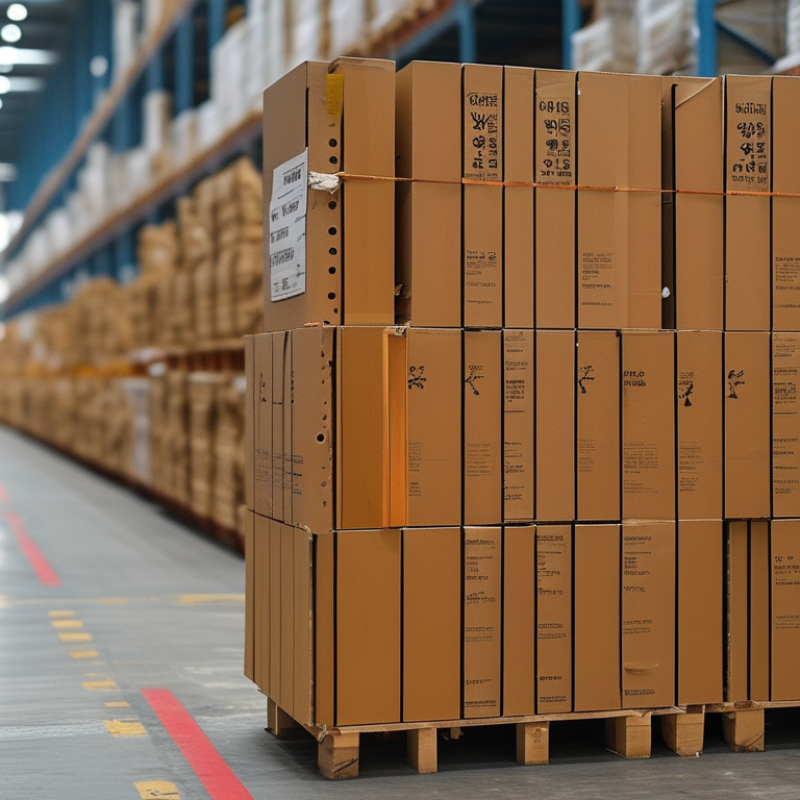
Importing furniture from China can be a rewarding venture. However, it comes with important considerations. Quality control is crucial. It’s essential to ensure that the furniture meets safety standards. Inadequate quality checks can lead to disappointing products and potential losses.
Understanding shipping logistics is another critical factor. Transporting large items can be complicated. You should factor in shipping times, costs, and possible customs issues. Delays can impact your business and customer satisfaction.
Communication with suppliers deserves attention. Not all companies share the same commitment to transparency. Misunderstandings can lead to errors in your order. Building a trustworthy relationship is vital for smoother transactions. Regular updates during the manufacturing process are advisable. This approach helps catch issues early on.
When importing furniture from China, understanding the local manufacturing industry is crucial. China's furniture production is one of the largest globally. Factories often emphasize mass production, allowing for lower costs. However, quality can vary significantly. It’s important to assess the credibility of manufacturers and their certifications.
The supply chain in China is complex. Raw materials are sourced globally, affecting prices and availability. Some manufacturers may cut corners to meet demands, risking the end product's integrity. It's advisable to conduct thorough inspections and audits. Engage with local experts or consultants to navigate this landscape effectively.
Communication barriers can arise due to language differences. Misunderstandings may lead to delays or unsatisfactory products. Clear documentation and frequent communication help minimize risks. Visiting factories can also provide valuable insights into their operations. Always be prepared for unexpected challenges, as the industry’s dynamics can shift rapidly.
| Aspect | Details |
|---|---|
| Manufacturing Regions | Key regions include Guangdong, Zhejiang, and Jiangsu. |
| Production Capacity | China's furniture industry has a vast production capacity, meeting global demand. |
| Material Sources | Common materials include wood, metal, glass, and plastic. |
| Quality Standards | Quality standards vary, so ensure compliance with international regulations. |
| Shipping Considerations | Factor in shipping costs, logistics, and delivery timelines. |
| Customs Regulations | Be aware of tariffs, duties, and import regulations in your country. |
| Cultural Considerations | Understanding local culture can aid in selecting designs and materials. |
| Sustainability Practices | Look for manufacturers implementing sustainable practices in sourcing and production. |
When importing furniture from China, understanding regulations and compliance standards is crucial. The furniture industry is highly regulated to ensure safety and quality. Different countries have their own standards for materials, flammability, and construction. Familiarize yourself with these requirements to avoid penalties or rejected shipments. Compliance is not just a formality; it safeguards consumers and enhances your brand’s reputation.
Tip: Always verify the standards of your target market. Research the specific regulations that apply to upholstered furniture, wooden pieces, and any electrical components. This research can save you time and money.
Documentation is another critical aspect. Ensure all paperwork, including certificates of conformity, is in order. Missing documentation can lead to delays at customs or additional fees. Establish clear communication with your supplier to maintain transparency. Often, suppliers may lack comprehensive knowledge about export regulations.
Importing furniture from China can be a lucrative venture, but careful cost analysis is essential. Shipping costs can vary significantly. Factors like distance, weight, and shipping method impact these expenses. A standard container can hold a lot of furniture, but prices can fluctuate based on demand and fuel costs. It’s critical to choose a reliable shipping partner. Not all companies offer transparent pricing.
Tariffs and import duties also play a major role in the overall expense. The tariffs on furniture can range from 0% to 30%, depending on the materials used and the country of origin. Understanding these rates is important for budgeting. Calculating total import costs is complex. It’s easy to overlook handling fees or storage costs in ports. These additional expenses can quickly add up.
It’s vital to be informed about the regulations governing furniture imports. Compliance with safety standards is mandatory. Some manufacturers might cut corners, leading to potential issues. Researching the credibility of suppliers is equally important. Not every supplier will provide the same quality of goods. Balancing cost and quality often requires patience and diligence. Frequent miscalculations can arise from assumptions about shipping timelines and forgotten costs, highlighting the need for thorough preparation.
When importing furniture from China, quality control is crucial. Ensuring that products meet your expectations can prevent potential losses. Conducting factory inspections is one practical step. This allows you to assess not only the production process but also the working conditions. A well-organized factory often indicates a commitment to quality.
Testing samples before shipment is another important measure. Requesting prototypes can help you gauge the durability and aesthetics of the furniture. Check for materials used, as they play a key role in the final product’s quality. Sometimes, suppliers may not disclose all material details, which can lead to unexpected outcomes.
Documentation is essential for quality assurance. Ensure that suppliers provide certificates and reports related to product standards. This transparency can highlight any discrepancies. However, navigating these requirements can be challenging. Not all suppliers may comply fully. Building a trustworthy relationship with your supplier often requires effort and ongoing communication.
: Regulations ensure safety and quality, protecting consumers and enhancing your brand’s reputation.
Investigate the specific requirements for materials, flammability, and construction relevant to your market.
Ensure all documentation, including certificates of conformity, is complete before shipment.
Distance, weight, and shipping method significantly influence shipping expenses.
Tariffs are taxes on imported goods, varying from 0% to 30%, depending on materials and origin.
Keep a checklist for all costs, including handling fees and storage, to avoid surprises.
Clear communication helps ensure that suppliers understand export regulations and compliance needs.
Missing documents can lead to customs delays or additional fees, complicating your import process.
Not all suppliers provide the same quality, and sometimes lower costs may lead to compromised safety.
Reflect on past imports, learn from challenges, and update your checklist as regulations change.
When considering "what should you know before importing furniture from China," it's crucial to understand several key factors. Firstly, familiarize yourself with China's furniture manufacturing industry, including its capabilities and market trends. Next, ensure compliance with essential regulations and standards to avoid potential issues upon importation. A thorough cost analysis is vital to account for shipping expenses, tariffs, and import duties, which can significantly affect your overall budget.
Additionally, implementing robust quality control measures before shipping is essential to guarantee that the products meet your specifications and standards. Addressing these aspects — industry knowledge, compliance, cost considerations, and quality control — will help streamline the importing process and lead to a successful transaction.

Salonix Furniture