Designing a cohesive look can be challenging, especially when combining different furniture styles. Many homeowners wonder how to match furniture styles in one room without creating visual chaos. The right balance can make your space unique and inviting.
Start by identifying common elements among your chosen styles. This could be a shared color palette or similar materials. These connections help create harmony. However, it’s easy to misjudge the scale or proportion of pieces. Don’t hesitate to adjust placements or swap furniture when needed.
Incorporating pieces from various eras can bring unexpected charm but may risk feeling disjointed. Consider adding a statement accessory that ties everything together. This guide will explore practical strategies and tips to create a well-blended environment that reflects your personal taste and style.
Understanding Furniture Styles: A Comprehensive Overview
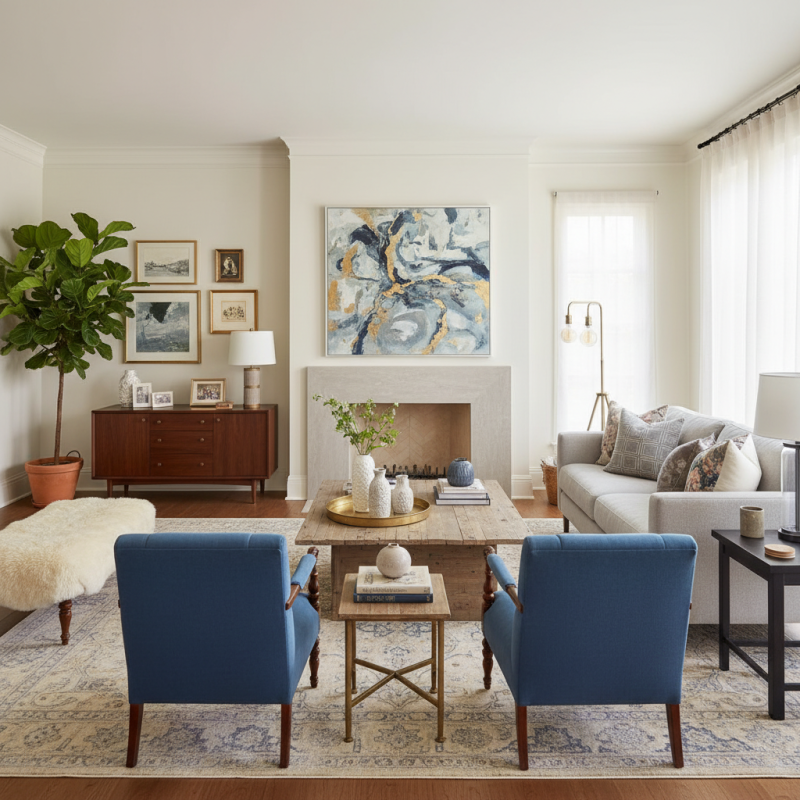
When combining different furniture styles, understanding the essence of each style is essential. According to a recent survey by the American Society of Interior Designers, over 70% of homeowners prefer eclectic designs in their spaces. This trend highlights a significant shift towards personal expression. Mixing traditional with modern elements can create unique aesthetics. For instance, a vintage chair paired with a sleek contemporary sofa can evoke both nostalgia and innovation.
Each furniture style carries its own narrative. Industrial designs often feature raw materials like exposed brick and metal. In contrast, mid-century modern emphasizes clean lines and organic shapes. A blend of these elements can be visually striking. Yet, challenges arise. Overly chaotic arrangements can lead to visual clutter. Experts recommend adhering to a cohesive color palette to maintain balance. Neutral tones often serve as a unifying backdrop, allowing accent pieces to shine without overwhelming the space.
The role of textures enhances these combinations. Layering fabrics like linen, leather, and cotton introduces depth. However, the key is moderation. Too many competing textures can result in confusion. A measured approach that values harmony over sheer variation is vital. This balanced interaction reflects the homeowner's personality while ensuring the room feels deliberate. Engaging professional help can yield further insights during this creative process.
Assessing Your Room’s Aesthetics and Functionality
Assessing your room’s aesthetics is crucial before mixing furniture styles. Start by evaluating the existing color palette. Are the walls neutral or bold? Look at the textures present. A cohesive look often comes from balancing soft fabrics with harder surfaces. Natural wood items can add warmth, while metal pieces may bring a modern touch. This contrast can create visual interest when done thoughtfully.
Functionality is equally important. Consider how the room will be used. Will it be a gathering space or a quiet reading nook? Choosing functional furniture that aligns with your needs is essential. For instance, an oversized sofa may not fit well in a small space. Reflect on what feels comfortable and practical for your lifestyle. Mixing styles can be risky; make sure each piece serves a purpose while contributing to the overall aesthetic. Look around—what works? What doesn’t? This reflection will guide your choices and ensure a functional, stylish room.
Identifying Complementary Colors and Textures for Cohesion
Creating a cohesive space with different furniture styles hinges on understanding complementary colors and textures. According to a 2022 report by the American Society of Interior Designers, 78% of homeowners are seeking unique combinations that reflect their personal style. This trend highlights the importance of balancing various elements to avoid a disjointed look.
When selecting colors, consider the color wheel. Colors opposite each other, like blue and orange, create vibrant contrast. However, too much contrast can lead to chaos. A study by the International Color Consortium suggests incorporating neutral tones to bridge gaps. For instance, soft beige or muted gray can tie bold pieces together. Pair a modern chair with a rustic wooden table; the neutral base softens their striking differences.
Textures play a crucial role in achieving harmony as well. Combining fabrics like leather, velvet, and linen can add depth. The Furniture Today Survey emphasizes the growing popularity of tactile finishes, with 65% of respondents preferring mixed textures in home decor. A plush rug under a sleek metal coffee table creates comfort and visual intrigue.
Experimentation is key, but don’t forget to step back and evaluate the overall feel. Too many textures without a unifying thread can make a space feel cluttered. Aim for balance, even in imperfections.
Strategically Positioning Furniture for Balance and Harmony
Strategically positioning furniture in a room creates balance and harmony. Begin by examining the room's layout and identifying key focal points. Large pieces, like sofas, should face windows or fireplaces. This arrangement encourages conversation and maximizes natural light. Consider visual weight; a heavy sofa should be balanced by a light coffee table or airy chairs.
Use rugs to define spaces within the room. A well-placed rug can unify different styles, offering a cohesive look. It can also create a designated area for different activities. Ensure pathways are clear for easy movement. Leave at least 24 inches of space to walk comfortably.
Experiment with arrangement. Sometimes, furniture may not fit as intended. Don’t be afraid to shift items around. A chair may initially seem misplaced but could become the perfect accent. Reflect on what feels right in your space. Balance comes from personal touch and practical needs, not just strict rules. Trust your instincts, and remember that imperfections can lead to unique charm.
Using Accessories to Tie Different Styles Together Effectively
When incorporating different furniture styles in one room, accessories play a crucial role. They can unify diverse elements, creating a cohesive look. According to recent surveys by the American Society of Interior Designers, about 70% of homeowners seek personalized spaces. Accessories are a reliable way to achieve that uniqueness. A well-chosen rug can connect a modern sofa to vintage chairs, making them feel like part of an intentional design.
Textiles also have a significant impact. Cushions in complementary colors can bridge gaps between styles. Moreover, artwork can serve as a focal point, drawing the eye and tying contrasting elements together. In fact, a report from the National Association of Home Builders mentions that décor choices significantly affect how people perceive space. A carefully selected set of accessories can change the entire feel of a room, enhancing the overall aesthetic.
However, blending styles is not without its challenges. It requires a good eye and understanding of balance. Too many accessories can lead to clutter. Finding the right number of items is subjective. It's essential to regularly assess and curate your collection. Reflecting on what works and what doesn’t is vital in creating a harmonized environment. By focusing on accessories, you can effectively express your style while seamlessly mixing different furniture designs.
How to Match Different Furniture Styles in One Room Guide?
| Style |
Color Palette |
Key Accessories |
Tips for Integration |
| Modern |
Neutral tones with bold accents |
Geometric pillows, metal lamps |
Use a cohesive color scheme across styles |
| Bohemian |
Earthy and vibrant colors |
Textiles, plants |
Mix patterns and textures freely |
| Industrial |
Dark colors and metallics |
Exposed light bulbs, reclaimed wood |
Incorporate raw materials with softer elements |
| Scandinavian |
Light wood, whites, and pastels |
Simple decor, soft textiles |
Balance minimalism with functional accessories |
| Rustic |
Warm browns and greens |
Wooden elements, nature-inspired decor |
Use natural textures to connect styles |
FAQS
: Complementary colors are colors opposite each other on the color wheel. They can create vibrant contrast.
Incorporate neutral tones alongside bold colors. Soft beige or muted gray can help balance vibrant hues.
Textures add depth and visual interest. Combining materials like leather and linen enhances the overall feel of a room.
Position large pieces facing windows or focal points. This encourages conversation and optimizes natural light.
Accessories unify different styles. A well-chosen rug or artwork can tie contrasting elements together effectively.
Use textiles like cushions in complementary colors to connect various styles. Balance is key to achieving harmony.
Yes, imperfections can add unique charm. Reflect on your space and trust your instincts for a personal touch.
Regularly assess your collection of accessories. Finding the right balance is subjective; avoid overcrowding your space.
Consider visual weight and ensure clear pathways. Leave at least 24 inches for comfortable movement within the room.
Focus on accessories that reflect your style. Personal touches can transform a room into a unique, intentional space.
Conclusion
To master the art of how to match furniture styles in one room, begin by understanding the different furniture styles available. A comprehensive overview of these styles will help you recognize their unique attributes and how they can coexist. Assess your room’s aesthetics and functionality to determine which styles align best with your vision and practical needs.
Next, identify complementary colors and textures that can create a sense of cohesion among the various pieces. Strategically positioning your furniture is essential for achieving balance and harmony throughout the space. Finally, use accessories to tie different styles together effectively, making them feel intentional and cohesive. By following these steps, you can create a beautifully blended room that showcases your personal style while maintaining a harmonious design.

 Salonix Furniture