In today's dynamic world, the demand for flexible living spaces is rising. Modular furniture has captured the attention of global buyers, thanks to its versatility and practicality. Renowned designer and furniture expert, Sarah Thompson, emphasizes this by stating, “Modular furniture adapts to your life, rather than the other way around.”
What are the benefits of modular furniture? The advantages are numerous, offering solutions for various lifestyles. From young professionals in small apartments to families that value adaptability, modular pieces cater to diverse needs. These furniture systems can be configured in multiple ways, allowing users to maximize their space efficiently.
Moreover, modular furniture often combines style with sustainability. Many designs use eco-friendly materials, making them a responsible choice for conscious consumers. However, the challenge remains for buyers to evaluate which pieces best fit their requirements. Not every modular system works seamlessly in every environment. Thus, understanding individual needs is critical.
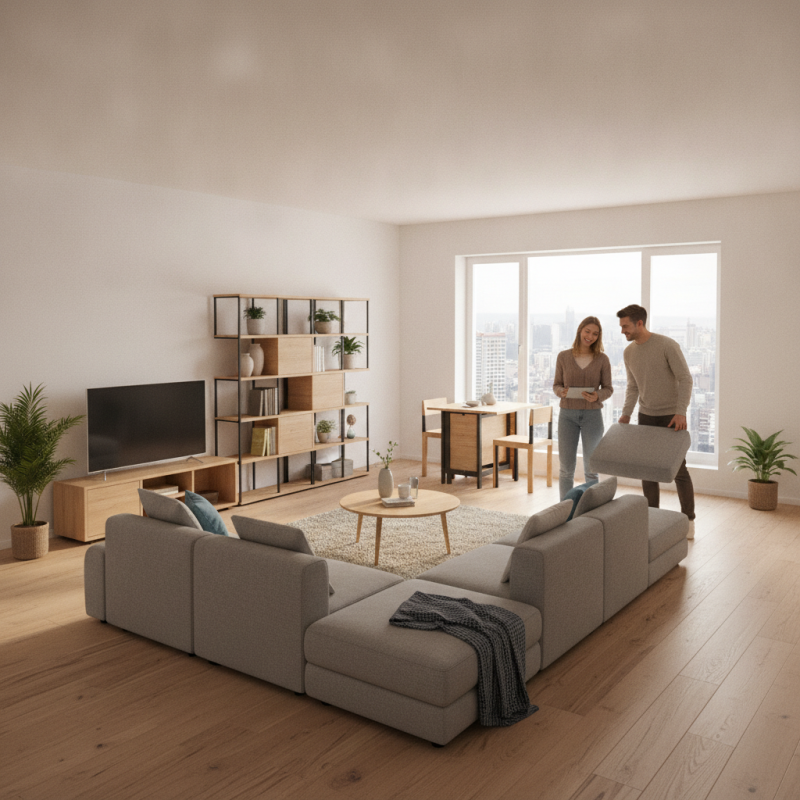
Modular furniture offers remarkable versatility for diverse living spaces. This adaptability allows homeowners to rearrange furniture based on their needs. For small apartments or large homes, modular pieces can fit into any layout seamlessly. Imagine a sofa that can be reconfigured into a bed for guests or a coffee table that transforms into a dining table. These features enhance both utility and creativity in interior design.
Tips for choosing modular furniture: Consider your space first. Measure your area to ensure a good fit. Opt for pieces that suit multiple functions, such as storage solutions or convertible designs. Keep in mind that while modular furniture is practical, it may not always be the most durable option. Regular maintenance could be necessary to maintain appearance and functionality over time.
Another advantage of modular furniture is its ability to reflect personal style. Homeowners can mix and match colors and shapes easily. However, this freedom can sometimes lead to mismatched aesthetics. It’s essential to find a balance between functionality and style. Creating a cohesive look can be a challenge for many. Choosing a unifying color palette can help make modular pieces feel less chaotic and more intentional.
Modular furniture has gained traction as a cost-effective solution for many buyers. According to a recent industry study, businesses can save up to 30% compared to traditional furniture options by choosing modular designs. This type of furniture often allows for easier reconfiguration, providing flexibility as needs change.
The investment in modular systems can yield high returns. Reports indicate that over 60% of global buyers appreciate the long-term value, citing durability and versatility. Modular pieces can adapt to various spaces, reducing the need for frequent replacements. However, some buyers may overlook the initial cost and only focus on immediate savings.
Despite these advantages, there are challenges to consider. The assembly process can be time-consuming, leading to frustrations. Additionally, not all modular designs suit every aesthetic, which can result in compromises on style. As the market evolves, it will be crucial for buyers to weigh both cost-effectiveness and personal preferences when opting for modular furniture solutions.
Modular furniture is revolutionizing the way buyers approach interior design. One key benefit is its flexibility. Buyers can rearrange pieces to fit various spaces. This adaptability is especially useful for those living in smaller apartments. For example, a modular sofa can effortlessly transform from a spacious seating area into a compact setup. This transition enhances usability in any room.
Customization options further elevate the appeal of modular furniture. Buyers can select colors, materials, and configurations that resonate with their style. Some may prefer vibrant hues, while others opt for neutral tones. This personalized touch allows each piece to reflect individual tastes. However, the vast choices can also feel overwhelming. It's essential for buyers to consider their lifestyle and long-term needs when customizing.
Moreover, modular furniture is often designed for easy reconfiguration. Users can add or remove sections as needed. This not only accommodates changing preferences but also adapts to evolving household dynamics. The modular concept invites creativity but also requires careful thought about future arrangements. Selecting the right pieces may take time, but the end result is worth the planning.
Modular furniture offers innovative space optimization strategies that can transform any environment. Its flexibility enables various configurations tailored to specific needs. For small apartments, combining a sofa bed with storage solutions makes the most of limited square footage. Instead of traditional bulky furniture, modular pieces can be rearranged as requirements change.
Many modern homes lack space for dedicated rooms. Here, modular designs shine. A sectional sofa can divide a living area from a workspace. Likewise, modular shelving allows shelves to expand or contract based on your collection. This adaptability promotes efficiency and practicality.
However, there is a learning curve. Not every configuration might suit your lifestyle. It’s essential to measure spaces accurately before purchasing. A piece that looked great online may not fit as envisioned. Mindfully selecting modular options ensures that they enhance, rather than clutter, the space. Each item should contribute to the overall harmony of the room, which may require a few adjustments along the way.
The following chart illustrates the top benefits of modular furniture for global buyers. The data reflects various advantages such as space efficiency, customization, and cost-effectiveness that make modular furniture an attractive choice.
Modular furniture is gaining traction in the global market, especially due to its sustainable and eco-friendly aspects. A report by the Global Industry Analysts reveals that the demand for sustainable furniture options is set to grow by 8% annually. This shift reflects a heightened awareness among consumers regarding environmental impacts.
The modular design allows for easy disassembly and recycling. Components can be replaced, which extends the life of the furniture. For instance, studies suggest that consumers are 67% more likely to choose modular products since they generate less waste. By opting for furniture that adapts to changing needs, buyers contribute to a circular economy. Nevertheless, the challenge lies in sourcing materials that are genuinely sustainable.
Many modular options utilize reclaimed wood and recycled materials. This choice minimizes deforestation and lowers carbon footprints. Yet, some manufacturers still fall short in transparency regarding their sourcing practices. Consumers must remain vigilant and prioritize brands committed to eco-friendly credentials. The imperfect landscape of modular furniture requires ongoing evaluation and dialogue, but its potential for promoting sustainability remains promising.
| Benefit | Description | Sustainability Impact | Eco-Friendliness Level |
|---|---|---|---|
| Space Efficiency | Modular furniture can be rearranged to fit any space, maximizing utility. | Reduces need for larger, fixed furniture that takes up more resources. | High |
| Customization | Easily tailored to meet individual buyer preferences and functional needs. | Allows for longevity of use, reducing waste. | Medium |
| Sustainability | Made from recycled or sustainably sourced materials. | Minimizes environmental impact of furniture production. | High |
| Flexibility | Easily adaptable to changing needs or spaces. | Reduces need for disposables or additional purchases. | High |
| Transportation | More compact for shipping, lowering carbon footprint. | Reduces emissions during transportation. | Medium |
| Affordability | Often more cost-effective than traditional furniture. | Encourages recycling of older furniture rather than disposal. | Medium |
| Collaborative Spaces | Ideal for co-working environments where layouts change frequently. | Encourages efficiency and minimizes resource waste. | High |
| Reduced Waste | Supports a zero-waste ethos by encouraging recycling and reuse. | Significantly lowers landfill contributions. | High |
| Innovation | Promotes creative designs and solutions for modern living. | Encourages functional design that saves material resources. | Medium |
| Longevity | High-quality build ensures lasting usage. | Fewer replacements mean less resource extraction. | High |
: Modular furniture consists of flexible pieces that can be rearranged based on individual needs.
It allows you to maximize space by combining functions, like a sofa bed with storage.
Yes, you can mix and match colors and shapes. However, it may lead to mismatched aesthetics.
Measure your space accurately to ensure each piece fits well in your home.
Not necessarily. Some modular pieces may require regular maintenance to keep them functional and appealing.
Use a unifying color palette to bring different pieces together. This prevents a chaotic appearance.
Finding configurations that suit your lifestyle may take time and adjustments.
It offers flexible configurations that adapt to your changing needs, making it ideal for multifunctional areas.
Some configurations may not suit your daily use, so consider your lifestyle before selecting.
Regular cleaning and mindful upkeep are necessary to preserve its appearance and functionality over time.
Modular furniture has emerged as a popular choice for global buyers, offering numerous advantages that cater to diverse living spaces. One of the key benefits of modular furniture is its cost-effectiveness, allowing consumers to enjoy high-quality designs without breaking the bank. Furthermore, these versatile pieces provide exceptional flexibility and customization options, enabling buyers to create spaces that truly reflect their personal tastes and functional needs.
Space optimization is another significant advantage, as modular designs can be easily rearranged to fit any room configuration or size. Additionally, sustainability plays a crucial role, with many modular options being made from eco-friendly materials, thus promoting a greener lifestyle. In summary, when considering what are the benefits of modular furniture, it's clear that its adaptability, affordability, and environmental consciousness make it an ideal choice for modern living.

Salonix Furniture