Creating a cohesive interior space can be challenging. Knowing how to match furniture styles in one room is essential for achieving harmony. According to a report by the American Home Furnishings Alliance, 72% of consumers prioritize style in furniture selection. This emphasizes the importance of thoughtful design.
Incorporating various styles can lead to stunning results, but it can also create visual discord. For instance, mixing traditional and modern elements requires careful consideration. Experts suggest a balanced approach, focusing on color palettes and textures. A study by the International Furnishings and Design Association found that 65% of homeowners feel overwhelmed by furniture choices.
It's crucial to reflect personal taste while adhering to design principles. Otherwise, a room can appear cluttered or disjointed. By exploring ways to match furniture styles, individuals can create inviting and functional spaces. Small adjustments in arrangement or decor can transform a room into a harmonious setting, enhancing both aesthetic appeal and comfort.
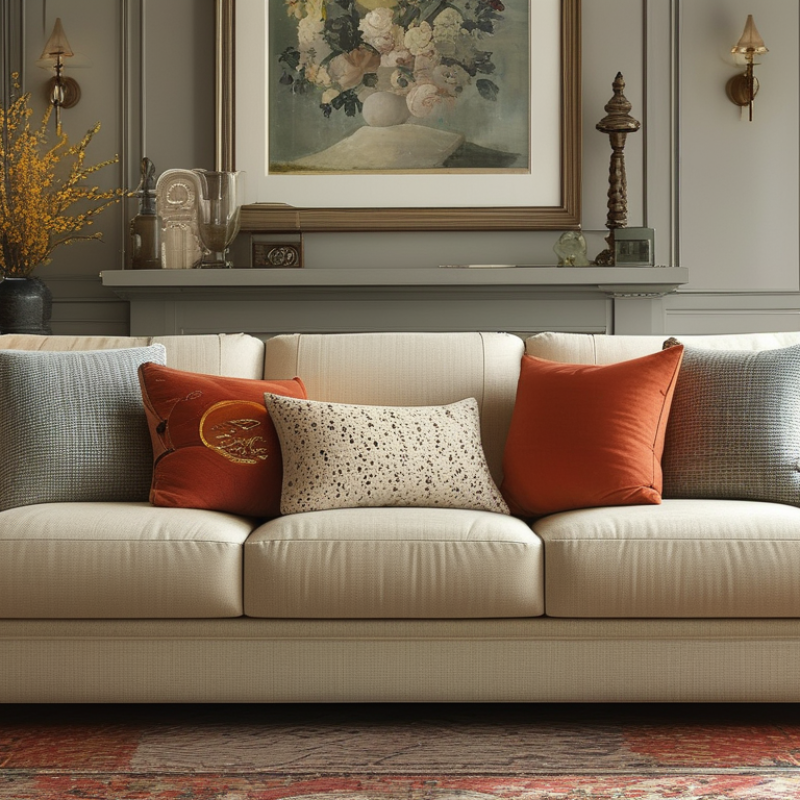
Understanding Different Furniture Styles and Their Characteristics
Understanding different furniture styles is crucial for creating a cohesive and inviting space. Each style has distinct characteristics that can influence your choices. For example, modern furniture features clean lines and minimal embellishments, while traditional pieces often showcase intricate details and rich woods. According to a report by the American Society of Interior Designers, nearly 40% of homeowners prioritize style compatibility in their decor.
When mixing furniture styles, it's essential to maintain a common theme. One effective tip is to choose a unifying color palette. This strategy can help balance disparate styles while adding visual harmony. Additionally, consider the scale of each piece. Pairing large, bulky items with delicate ones can disrupt the flow.
Creating contrast can also enhance your design. For instance, pairing sleek modern chairs with a vintage wooden table can add interest. However, be mindful of balance; too much variety may lead to a chaotic appearance. Reassessing your selections may lead to a more thoughtfully curated space. In the end, the key lies in understanding each style’s nuances and how they interact with one another.
Choosing a Color Palette to Harmonize Furniture Pieces
Choosing a color palette is crucial in harmonizing furniture pieces within a room. Imagine a living room where the couch is a bold navy blue. Pairing it with a soft cream armchair can create a balance. The key is to select complementary colors that enhance each other. Think about the mood you want to establish. Soft pastels evoke calm, while vibrant hues inspire energy.
Consider using three main colors for a cohesive look. One can be dominant, while the others serve as accents. For example, a warm beige base can be highlighted with deep emerald green cushions and touches of gold in the decor. This layered approach not only adds depth but also invites visual interest.
However, it’s essential to remain open to change. Sometimes, the colors may not work as envisioned. Testing swatches in the actual light of your space can reveal unexpected outcomes. Don't shy away from experimentation. Reflect on the adjustments you make and how they influence the overall ambiance. The journey of matching styles through color is often just as rewarding as the end result.
Creating a Focal Point with Key Furniture Items
Creating a striking focal point with key furniture items can transform a room. Start by selecting one standout piece. This could be a bold sofa, a unique coffee table, or an eye-catching armchair. Choose something that speaks to your style and draws attention. Position it in a place that naturally attracts the eye. Balance is important, so surround it with complementary pieces that don’t overshadow it.
Consider contrast in colors and textures. A sleek leather chair can look stunning next to a heavy wooden table. Mixing materials adds depth and interest. However, be cautious; too much variety can create chaos. Aim for a harmonious blend that still feels dynamic. Accessories like cushions and throws can help tie different styles together.
Reflect on your choices as you arrange the room. What feels right? Are there items that distract from your focal point? It’s okay to rearrange until you find the perfect balance. Each element in the room should serve a purpose in enhancing that key feature. A well-curated space invites conversation and enjoyment, making your focal point not just a visual highlight but also a functional centerpiece.
Top 10 Tips to Match Furniture Styles in One Room
| Tip Number |
Description |
Style Focus |
| 1 |
Choose a dominant style and let it guide the rest of the room. |
Modern |
| 2 |
Incorporate complementary colors to create harmony. |
Eclectic |
| 3 |
Use different materials but maintain a consistent color palette. |
Contemporary |
| 4 |
Create a focal point with a statement piece. |
Minimalist |
| 5 |
Mix vintage and modern pieces for contrast. |
Retro |
| 6 |
Layer textiles to add depth and interest. |
Bohemian |
| 7 |
Use matching hardware to unify different styles. |
Industrial |
| 8 |
Balance furniture sizes for a more cohesive look. |
Traditional |
| 9 |
Incorporate art pieces that reflect your style choices. |
Artistic |
| 10 |
Ensure there is enough space for flow and movement. |
Functional |
Balancing Scale and Proportion Among Furniture Elements
When designing a room, balancing scale and proportion is crucial. Large furniture pieces can overwhelm a small space. Conversely, tiny accents might get lost in a large room. Assess the dimensions carefully. Choose a sofa that complements your coffee table. A low-profile couch pairs well with a tall bookshelf. This creates visual harmony.
Textures and colors also play essential roles. A light-colored chair can lighten up a dark corner. Mixing different materials adds depth. However, maintain a sense of cohesion. An eclectic mix can feel disjointed if not balanced. It’s beneficial to step back and evaluate your arrangement. Are the heights and widths aligned? What feels off?
There’s an art to finding the right balance. Consider your room’s purpose. A living area needs comfortable seating, while a dining space requires functionality. Adapt your furniture choices to suit these needs. Sometimes, a piece may appear perfect but disrupt the flow. Be willing to rethink placements and styles until they resonate harmoniously.
Incorporating Textures and Patterns for Added Depth
Creating a cohesive and inviting space begins with understanding how textures and patterns can complement your furniture styles. Mixing materials like wood, metal, and fabric can add a rich depth to a room. Think about a plush velvet sofa paired with a sleek wood coffee table. Each piece tells its own story, yet they harmonize beautifully. Experiment with varying fabrics, such as mixing linen curtains with leather accents. This not only creates visual interest but also invites touch and interaction.
Incorporating patterns can be tricky. A large geometric print on the rug can clash with floral cushions if not balanced correctly. Aim for a cohesive color palette that ties diverse patterns together. Stick to three or four colors to maintain harmony. Balance is key. Don't shy away from layering textures, like a knitted throw over a smooth leather chair. This can soften hard edges and make the space feel more welcoming.
Reflect on your choices as you style your room. What feels too busy? What lacks character? Sometimes, less is more, and stripping back excess can help your carefully selected pieces shine. Embrace imperfection; a curated look often includes a few mismatched elements. It tells a story and reflects your personal journey in design.
Conclusion
When considering how to match furniture styles in one room, it's essential to begin by understanding the various furniture styles and their distinctive characteristics. This knowledge allows you to choose pieces that complement each other rather than clash. Next, selecting a harmonious color palette can unify the elements, creating a cohesive look across different styles.
Additionally, establishing a focal point with key furniture items can anchor the room and draw attention, while balancing the scale and proportion of the furniture ensures that no single piece overwhelms the space. Finally, incorporating a variety of textures and patterns can add depth and interest, enhancing the overall aesthetic. By following these tips, you can effectively mix and match furniture styles to create a beautifully coordinated room.

 Salonix Furniture