Why Is Furniture Eco Friendly What Makes It Sustainable?

Time:2026-10-15 Author:Henry
0%

Furniture shapes our homes, offices, and daily routines, yet its environmental impact often remains hidden. A wooden chair may look natural, but its sustainability depends on the forest source, manufacturing process, finish, and expected lifespan. This raises an important question: what makes furniture eco friendly?

Sustainable furniture usually begins with responsibly sourced materials. Certified wood, recycled metal, bamboo, reclaimed timber, and low-impact fabrics can reduce pressure on natural resources. However, no material is automatically perfect. Bamboo may grow quickly, while transportation and chemical treatment can increase its footprint. Reclaimed wood can save resources, but it may require energy-intensive cleaning and processing.

Durability matters just as much. A sturdy table that lasts twenty years may be more sustainable than a cheap product replaced every two years. Repairable joints, replaceable covers, and accessible spare parts extend a product’s useful life. I have found that simple construction often makes maintenance easier, especially when screws replace permanent adhesives.

Manufacturing also deserves careful attention. Efficient factories can reduce water use, waste, and energy consumption. Reliable environmental certifications may provide useful evidence, but labels should still be checked carefully. Certification standards differ.

Packaging, delivery distance, and end-of-life planning complete the picture. Flat-pack designs can lower transport emissions, yet damaged panels may be difficult to repair. This is where sustainability becomes less perfect. Buyers, designers, and manufacturers must compare the full life cycle rather than trust attractive green claims. The most credible choices combine transparent sourcing, practical durability, responsible production, and honest information.
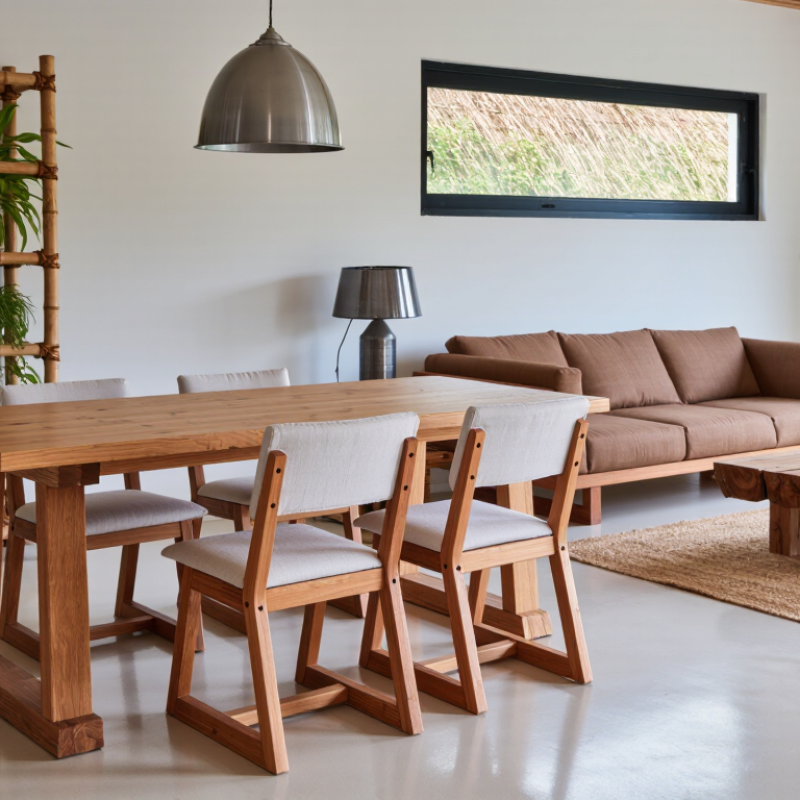
Why Is Furniture Eco Friendly What Makes It Sustainable?

What Makes Furniture Eco-Friendly?

What Makes Furniture Eco-Friendly?

Eco-friendly furniture begins with responsible material choices. Solid wood can be sustainable when it comes from verified, well-managed forests. Reclaimed wood gives old beams and boards another useful life. Bamboo grows quickly, but its environmental value depends on farming and processing methods.

Manufacturing also matters. Efficient workshops reduce cutting waste, water use, and energy consumption. Low-VOC finishes help keep indoor air cleaner during and after installation. I look closely at joinery, because strong joints usually last longer than excessive glue or decorative hardware. Durability matters.

An eco-friendly chair should be repairable, not disposable. Replaceable covers, standard screws, and accessible parts make maintenance practical. Furniture designed for disassembly can also be reused or recycled more easily. Independent certifications and clear material records provide stronger evidence than vague green labels. Still, no material is perfect. A heavy reclaimed table may avoid new timber but create transport emissions. Local production can reduce shipping, yet local materials are not always available. I would also question products advertised as natural when their finishes remain undisclosed. A careful buyer should check the wood source, adhesives, coating ingredients, expected lifespan, and repair options before choosing.

How Sustainable Materials Are Sourced for Furniture

Why Is Furniture Eco Friendly What Makes It Sustainable?

Sustainable furniture begins long before a board reaches a workshop. Responsible makers trace wood to certified forests, reclaimed buildings, or managed plantations. They check harvest permits, land protections, and chain-of-custody records. This matters because “natural” does not automatically mean responsible. A beautiful oak table can still come from destructive logging. Buyers should ask where the timber grew, who processed it, and how far it traveled.

Other materials require equally careful sourcing. Recycled steel can contain scrap from demolished structures, while recycled aluminum often needs less energy than newly mined metal. For upholstery, linen, hemp, and certified wool may offer renewable alternatives, but farming practices still matter. Cotton can consume significant water, and recycled fibers may shed microplastics during washing. In a practical material review, I would examine supplier audits, recycled content percentages, chemical restrictions, and worker protections. Documents help, but they are not perfect.

Durability is part of sustainability. A chair repaired for twenty years usually creates less waste than a cheap chair replaced repeatedly. I look for replaceable covers, standard screws, repair instructions, and finishes with low volatile organic compounds. Sometimes the greener choice is not the newest material. It is the piece already owned and carefully restored. Even “eco-friendly” sourcing has trade-offs, and honest furniture advice should leave room for doubt.

How Furniture Manufacturing Affects the Environment

Why Is Furniture Eco Friendly What Makes It Sustainable?

How Furniture Manufacturing Affects the Environment

Furniture manufacturing begins with material extraction, not the showroom floor. Wood, metal, foam, adhesives, and coatings each carry environmental costs. UNEP’s Global Resources Outlook 2024 reports that global resource extraction has tripled since 1970. It could rise another 60% by 2060. Forest loss, mining, and petroleum-based materials all influence a product’s footprint.

Energy use adds another burden. Kilns dry timber, machines cut panels, and factories apply finishes. These processes consume electricity and can release greenhouse gases or volatile organic compounds. The U.S. Environmental Protection Agency estimated 12.1 million tons of furniture and furnishings entered the municipal waste stream in 2018. Much of it was discarded rather than recovered. That figure exposes a quiet problem: furniture often outlives its design appeal, not its physical structure.

Material choices matter, but they are not simple. Certified or reclaimed wood can reduce pressure on forests, while recycled metal may require less virgin extraction. However, mixed materials, permanent adhesives, and thick coatings make repair and recycling difficult. A recyclable chair is not truly circular if nobody can separate its parts. This is where manufacturers need credible lifecycle assessments, verified sourcing, low-emission finishes, and designs built for disassembly. The industry still has gaps. “Eco-friendly” can be overstated when transport, packaging, factory energy, and end-of-life waste receive little attention.

Why Durability and Repairability Matter for Sustainability

Why Is Furniture Eco Friendly What Makes It Sustainable?

Durability is one of furniture’s clearest sustainability tests. A sturdy dining chair can survive years of daily meals, moving, and accidental impacts. A loose hinge should not end its life. It should invite a screwdriver.

The U.S. Environmental Protection Agency’s Advancing Sustainable Materials Management report estimated that furniture and furnishings generated 12.1 million tons of municipal waste in 2018. About 80.2% went to landfills. Extending a product’s useful life can therefore reduce replacement demand and disposal pressure. It also protects the energy and materials already used in manufacturing.

Repairability makes durability practical. Replaceable screws, standard fittings, accessible joints, and washable covers help people maintain furniture without specialist tools. The Ellen MacArthur Foundation identifies repair and reuse as important strategies in a circular economy. These strategies keep products and materials in use longer. Small design choices matter.

Not every repair is easy. Some products hide fasteners beneath glued panels or use unusual components. That creates frustration, even when the frame remains sound. I have seen a simple drawer failure turn a usable cabinet into waste. Designers should provide repair instructions and spare parts, not only attractive finishes. UNEP’s Global Resources Outlook 2024 warns that global resource extraction could rise by 60% by 2060 without stronger action. Furniture that can be repaired is not perfect, but it gives materials more time before disposal.

Why Is Furniture Eco Friendly What Makes It Sustainable? - Why Durability and Repairability Matter for Sustainability
Furniture Material or Construction Choice Typical Service Life Repairability Material Circularity Maintenance Needs Key Sustainability Benefit Main Limitation
Solid timber with mechanical joints 15–30+ years with suitable indoor care High
Parts can usually be tightened, replaced, refinished, or re-glued.
High potential for reuse and recycling when coatings and fittings are removable. Dusting, occasional tightening, and periodic surface refinishing. Long use reduces the need for replacement and spreads manufacturing impacts over more years. Unsustainable forestry, excessive moisture, or difficult-to-remove finishes can reduce its environmental performance.
Certified or reclaimed wood panels 10–20 years, depending on panel quality and edge protection Medium to high
Hardware can often be replaced, but damaged panels may be difficult to repair invisibly.
Reclaimed wood can retain material value; composite panels are more difficult to separate and recycle. Keep dry, prevent swelling, and protect exposed edges from impact. Reclaimed content can reduce demand for virgin resources, while responsibly sourced wood stores biogenic carbon during use. Adhesives, laminates, and mixed materials may complicate recovery at end of life.
Recycled or recyclable steel frame 15–30 years or longer when protected from corrosion High
Bolts, glides, casters, and seat components can often be replaced independently.
High; steel is widely recyclable when it can be separated from upholstery and other materials. Inspect fasteners and treat scratches or corrosion promptly. Strong frames support long service life, and steel can be recovered through established recycling systems. Mining and primary steel production are energy-intensive; heavy products can increase transport impacts.
Natural-fiber or recycled-fiber upholstery 5–12 years, depending on abrasion, use, and fabric quality Medium
Repair is practical when covers, zippers, cushions, and webbing are replaceable.
Higher when fabric is mono-material and removable; blended textiles are harder to recycle. Vacuum regularly, clean according to care instructions, and repair small tears early. Replaceable covers and cushions can extend the life of the whole furniture frame. Some natural fibers require substantial water, land, or chemical inputs; synthetic blends may shed microfibers.
Water-based or low-emission finishes Typically 5–15 years before noticeable refinishing may be needed Medium
Minor surface damage can often be sanded and refinished.
Usually compatible with wood recovery, although coatings may affect processing quality. Use mild cleaners and avoid prolonged exposure to standing water or direct sunlight. Lower-emission finishes can help reduce indoor air pollutants while protecting the underlying material. Performance varies; a less durable finish may require more frequent maintenance or replacement.
Modular, flat-pack, or demountable design 10–20+ years when components are robust and replaceable High
Individual panels, legs, doors, and hardware can be changed without discarding the entire item.
High potential when materials are clearly separated and fasteners are accessible. Retighten connections and replace worn hardware as needed. Easy disassembly supports repair, relocation, reuse, refurbishment, and material recovery. Repeated assembly, low-quality connectors, or thin panels can shorten service life.
Adhesive-heavy mixed-material construction 5–12 years, highly dependent on build quality Low
Bonded components are often difficult to remove without damage.
Low to medium; glued combinations of foam, fabric, wood, and metal are difficult to separate. Limited repair options; damaged sections may require specialist refurbishment. Can provide efficient lightweight construction and strong initial bonding. Shorter repair pathways and difficult material separation can increase disposal and replacement rates.
Replaceable hardware and standardized spare parts Adds approximately 3–10 years of potential use, depending on the component Very high
Common screws, hinges, glides, casters, and handles can be replaced without specialist tools.
Supports disassembly and improves the chance that valuable materials can be recovered. Inspect moving parts periodically and replace worn components before structural damage occurs. Small, inexpensive repairs can prevent premature disposal of otherwise functional furniture. Benefits are reduced when spare parts are unavailable or proprietary.
Refurbished or second-life furniture Varies; often 5–15 additional years after refurbishment High
Refurbishment can restore frames, surfaces, mechanisms, and upholstery.
Very high because the existing product and much of its material value remain in use. Depends on the condition of the refurbished components and the quality of repair work. Extends product life and generally avoids the impacts of manufacturing a fully new replacement. Transport, hidden damage, and poor-quality refurbishment can reduce the environmental advantage.
Interpretation: Service-life figures are indicative ranges for indoor furniture and vary with construction quality, intensity of use, climate, maintenance, and repair access. In most cases, extending useful life through durable construction, replaceable parts, and repair is more effective than focusing on material content alone.

How Furniture Can Be Reused, Recycled, or Responsibly Disposed of

Why Is Furniture Eco Friendly What Makes It Sustainable?

Furniture becomes more sustainable when its useful life lasts longer. A solid table can serve several households instead of becoming immediate waste. Before replacing it, inspect loose joints, damaged surfaces, and missing hardware. Simple repairs often need sanding, tightening, or a new finish. Reusing furniture also saves the wood, fabric, metal, and energy already invested in it. A second use may be imperfect, but it can still be valuable.

Try changing its purpose. An old cabinet might become storage for tools or children’s books. Clean upholstery carefully, then repair small tears instead of discarding the whole chair. Donate usable pieces through local community groups, provided they are safe and clean. Be honest about stains, odors, or structural damage. Someone else should not inherit a hidden problem. I have learned that “good enough” repairs sometimes fail when heavy use begins.

Recycling requires more care than placing furniture beside a recycling bin. Separate removable metal, untreated wood, glass, and certain plastics where local facilities accept them. Composite boards, foam, and treated finishes may need specialized collection. Contact the municipality or waste facility before transport. Ask about pickup requirements, dismantling, and accepted materials. Never leave unwanted furniture in public spaces. If reuse and recycling are impossible, use an authorized disposal service that handles bulky waste properly. Keep screws, labels, and material information when possible. These details make sorting easier, though furniture design rarely makes recycling simple.

Why Is Furniture Eco-Friendly?

Sustainable furniture reduces environmental impact by extending product life through repair and reuse, recovering materials through recycling, and minimizing landfill disposal. Reuse is generally the preferred option because it keeps products and their embedded materials in circulation for longer.

The chart shows estimated management pathways for furniture and furnishings in the United States municipal solid waste stream in 2018. Source: U.S. Environmental Protection Agency, Sustainable Materials Management reports.

FAQS

Why does furniture durability support sustainability?

Durable furniture stays useful through daily meals, moving, and accidental impacts. A sturdy chair may serve one household for years. That reduces replacement demand and disposal pressure.

How does repairability make furniture more sustainable?

Repairable furniture uses replaceable screws, standard fittings, and accessible joints. A loose hinge may need only a screwdriver. Small fixes matter.

What furniture parts should be easy to repair?

Useful features include removable covers, visible fasteners, and standard hardware. Repair instructions and spare parts also help. Hidden glue creates frustration.

Can repairing furniture reduce waste significantly?

It can extend the product’s useful life and protect materials already used. A 2018 U.S. estimate reported 12.1 million tons of furniture waste. About 80.2% reached landfills.

How can old furniture be reused?

Change its purpose when practical. An old cabinet could store tools or children’s books. A solid table might serve another household. The result may look imperfect.

What should people check before donating furniture?

Check loose joints, stains, odors, tears, and structural damage. Clean upholstery carefully. Repair small problems when possible. Be honest about serious defects.

How should furniture be recycled?

Separate removable metal, untreated wood, glass, and accepted plastics. Composite boards, foam, and treated finishes may need specialized collection. Contact local facilities before transport.

What if furniture cannot be reused or recycled?

Use an authorized bulky-waste service. Do not leave furniture in public spaces. Keep screws, labels, and material details when possible. Recycling is not always simple.

Conclusion

What makes furniture eco friendly is the thoughtful balance between materials, production, use, and end-of-life planning. Sustainable furniture may use responsibly sourced wood, recycled metal, reclaimed materials, natural fibers, or low-impact finishes. These resources should be obtained in ways that protect ecosystems, reduce waste, and limit pollution. Manufacturing also plays an important role: efficient use of energy and water, minimal packaging, reduced emissions, and careful control of production waste can lower a piece’s environmental impact.

Durability and repairability are equally important because furniture that lasts longer does not need to be replaced as often. Strong construction, replaceable parts, and timeless designs help extend its useful life. When furniture is no longer needed, it can be reused, donated, refurbished, or repurposed. Materials that cannot be reused should be separated and recycled whenever possible, while responsible disposal prevents harmful waste from entering landfills unnecessarily. Together, these choices create a more sustainable furniture lifecycle.

Henry

Henry

Henry is a dedicated marketing professional with a profound expertise in the company's offerings. With years of experience in the industry, he possesses an impressive understanding of the market dynamics and consumer behaviors that drive success. Henry is committed to sharing his insights through......