Explore our core engineering lineups optimized for lean production lines, warehouse logistics, and enterprise workstation environments.
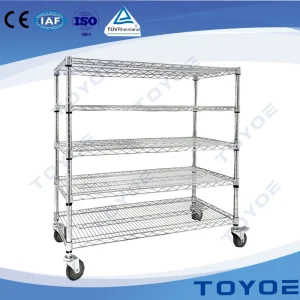
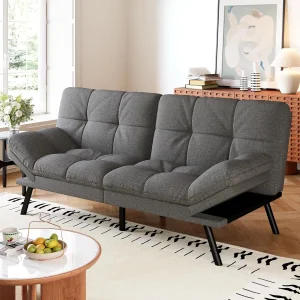

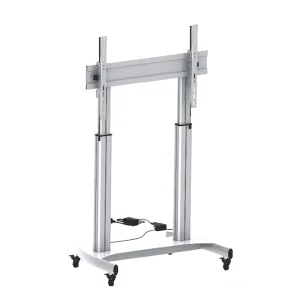
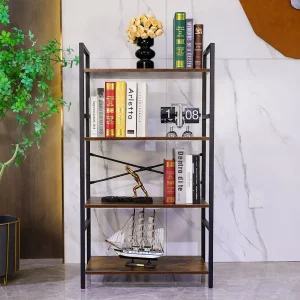
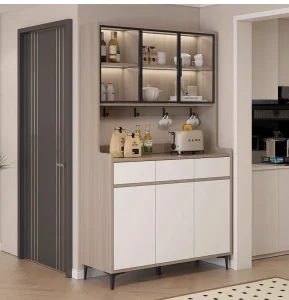
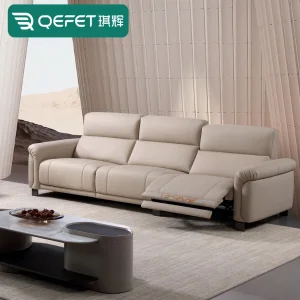

Analyzing the evolution of modern industrial workbenches, heavy-duty manufacturing tables, and smart workstation ergonomics in global supply chains.
In the modern era of industrial automation, lean manufacturing, and Industry 4.0 integration, the humble workbench has transitioned from a static piece of shop-floor furniture into a highly engineered, dynamic hub of productivity. Global manufacturing enterprises across North America, Europe, and the Asia-Pacific region are undergoing a profound operational overhaul. The shift towards high-mix, low-volume (HMLV) production, rapid product iteration cycles, and stringent occupational health and safety (OHS) regulations has forced factory procurement managers to re-evaluate their physical infrastructure.
Industrial workbenches now sit at the critical intersection of human-machine interaction (HMI). Whether in semiconductor cleanrooms, automotive assembly lines, electronic repair facilities, or heavy machinery workshops, the structural integrity, modular adaptability, and ergonomic design of workbenches directly impact operational efficiency, cycle time, worker fatigue, and defect rates. Factories no longer seek basic wooden or simple steel tables; they require customized, heavy-duty ESD (Electrostatic Discharge) compliant workstations equipped with modular shelving, power distribution units, pneumatic integration, and motorized height adjustments.
Information Gain Key Insight: Empirical studies in automotive assembly facilities indicate that transitioning from static work tables to ergonomically adjustable, modular workbenches reduces repetitive strain injuries (RSIs) by up to 42% while improving assembly throughput by 14.5% across 8-hour operator shifts.
Global procurement directors and supply chain managers increasingly recognize China—specifically the industrial clusters in Guangdong Province, including Guangzhou and Foshan—as the world's premier manufacturing epicenter for industrial metal shelving, heavy-duty workbenches, and structural modular solutions. Sourcing directly from an established Chinese workbench manufacturer provides measurable competitive edges that go far beyond basic cost savings.
The Guangzhou industrial ecosystem offers direct proximity to top-grade SPCC cold-rolled steel mills, electrostatic powder coating suppliers, automated laser cutting facilities, and specialized hardware manufacturers. This localized density eliminates supply chain friction, shortens component lead times, and allows for rapid prototyping.
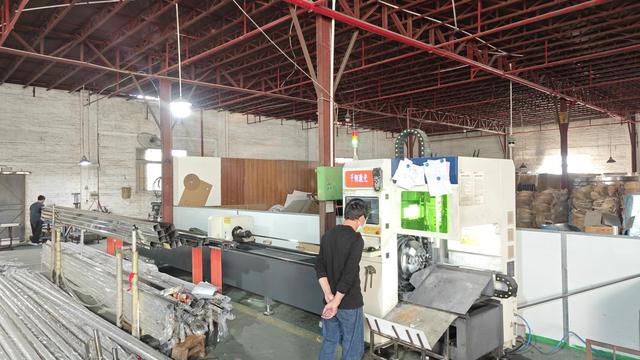
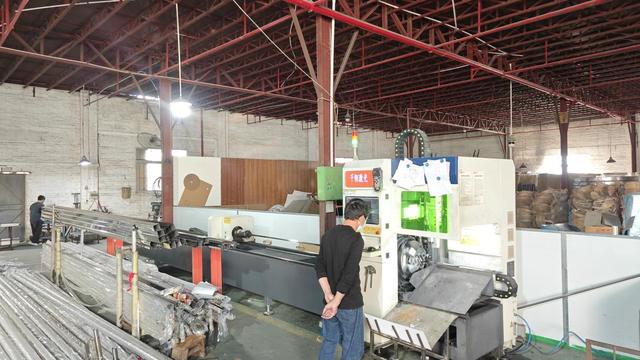
Modern Chinese workbench factories employ automated 3D laser tube cutting machines, multi-axis CNC bending brakes, and robotic welding cells. This ensures micrometric accuracy in bolt-hole alignment, uniform seam welding, and flawless modular component interchangeability for global enterprise deployments.
By leveraging high-volume automated production and streamlined direct-to-enterprise export logistics, Chinese manufacturers deliver premium industrial-grade steel workbenches at a fraction of the land-cost of European or Domestic North American equivalents, reducing client CapEx significantly.
From cleanroom SMT assembly lines to heavy mechanical repair shops, industrial workbenches require specialized material finishes, load structural frame geometry, and integrated accessories.
Requires electrostatic dissipative (ESD) work surfaces with surface resistivity maintained between 106 to 109 Ohms. Equipped with grounding wrists straps, overhead LED task lighting (1000 Lux), overhead tool suspension rails, and integrated pneumatic quick-connect ports to protect sensitive microchips from static breakdown.
Built with reinforced 3.0mm thick cold-rolled structural steel legs and 50mm thick composite beech wood or stainless steel clad table tops. Engineered to support dynamic loading exceeding 1,500 kg, resistant to impact, heavy hydraulic oils, grease, and aggressive chemical solvents.
Optimized for logistics throughput with integrated digital weight scales, barcode scanner mounts, automated label dispenser racks, packing paper roll holders, and height-adjustable monitor arms connected directly to warehouse management systems (WMS).
| Workstation Parameter | Standard Duty Work Bench | Heavy-Duty Industrial Bench | ESD Cleanroom Workstation |
|---|---|---|---|
| Frame Material | 1.5mm SPCC Cold-Rolled Steel | 2.0mm - 3.0mm Structural Steel Profile | High-Purity Extruded Aluminum / SPCC |
| Static Load Capacity | 300 kg - 500 kg | 1,000 kg - 2,500 kg | 400 kg - 750 kg |
| Worktop Options | High-Pressure Laminate (HPL) / MDF | Solid Beechwood / Steel Clad / Rubber | ESD Anti-Static Laminate Top |
| Coating Finish | Epoxy Powder Coating (60-80μm) | Heavy Duty Anti-Scratch Powder Surface | Anti-Static Conductive Powder Coat |
| Height Adjustment | Manual Bolt Adjust (750-1000mm) | Hydraulic Heavy Duty Crank | Dual-Motor Synchronized Electric Lift |
| Compliance Standards | ISO 9001, CE Packaging | ISO 9001, SEFA 8, OSHA Heavy Duty | IEC 61340-5-1, ANSI/ESD S20.20 |
How IoT integration, motorized ergonomics, and modular sustainability are reshaping workplace machinery infrastructure.
Workplace ergonomics is transitioning from passive manual adjustment to automated electric sit-stand height memory modules. Smart workstations allow operators to adjust table heights effortlessly via digital micro-controllers, dramatically cutting lumbar strain during 12-hour factory shifts.
Modern industrial supply chains demand rapid shop-floor reconfigurations. Next-generation workbenches feature universal slot-and-groove modular upright posts, enabling plug-and-play installation of louvre panels, pegboards, drawer units, power strips, and monitor mounts without specialized tools.
Integration of intelligent sensors within work benches to monitor ambient static charges, light lux levels, bench load weight, and operator presence. Connected stations relay real-time data to MES (Manufacturing Execution Systems) for predictive ergonomics and process control.
A history of continuous innovation, factory automation, and strategic expansion into global commercial and industrial workstation ecosystems.
Founded in 2010 in Guangzhou, China, Guangzhou Salonix Equipment Co., Ltd. began as a small manufacturer specializing in chairs for salon and home use. With a focus on craftsmanship and affordability, the company quickly gained recognition in the domestic market.
By 2013, Salonix expanded its production to include sofas and storage cabinets, establishing itself as a comprehensive home furniture manufacturer. The company invested in advanced machinery and skilled labor, improving both production capacity and product quality.
In 2016, Salonix launched its OEM and ODM services, working closely with international clients to develop customized furniture solutions. This marked a key milestone as the company entered global markets, exporting to Europe, North America, and Southeast Asia.
In 2019, Salonix upgraded its manufacturing facilities with semi-automated production lines and introduced strict quality control systems to meet international standards. The company also strengthened its supply chain and logistics capabilities to ensure timely delivery.
By 2022, Salonix embraced modern design trends, launching stylish, ergonomic, and space-saving furniture collections for both residential and commercial applications.
Today, Guangzhou Salonix Equipment Co., Ltd. is a trusted global supplier of chairs, sofas, and storage cabinet solutions, offering innovative designs, reliable quality, and flexible customization services for worldwide partners.
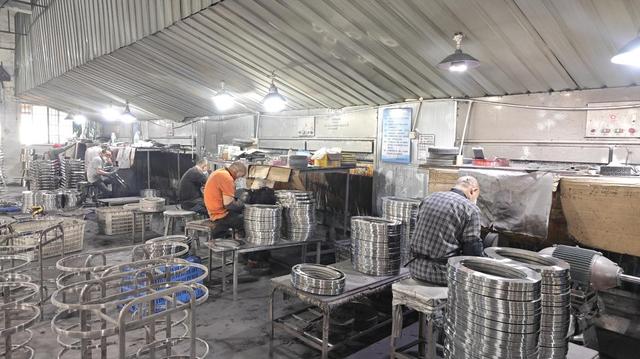
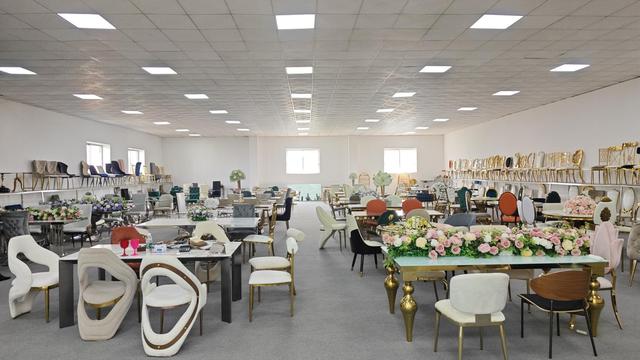
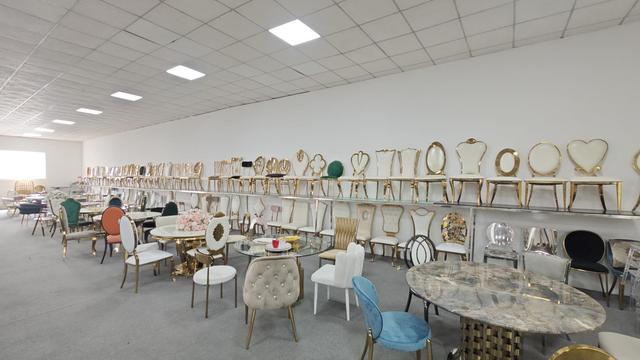
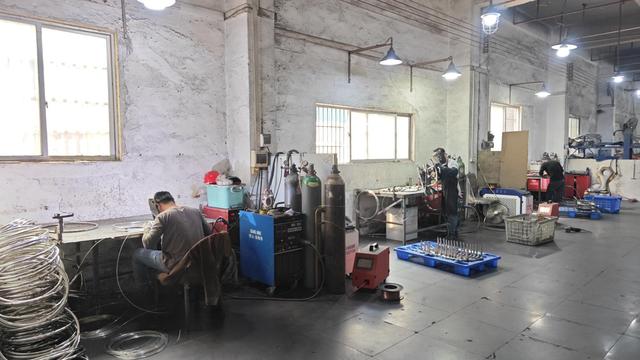
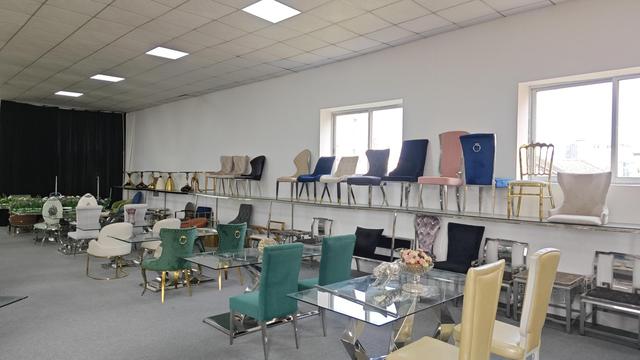
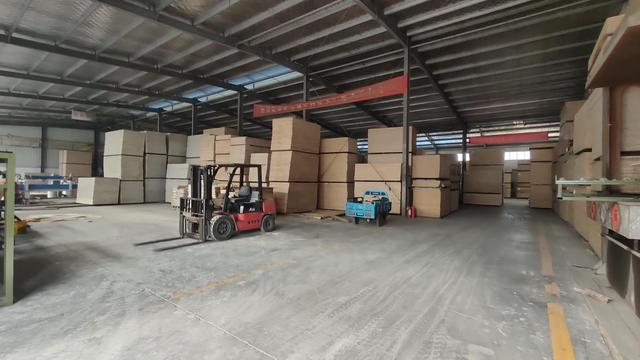
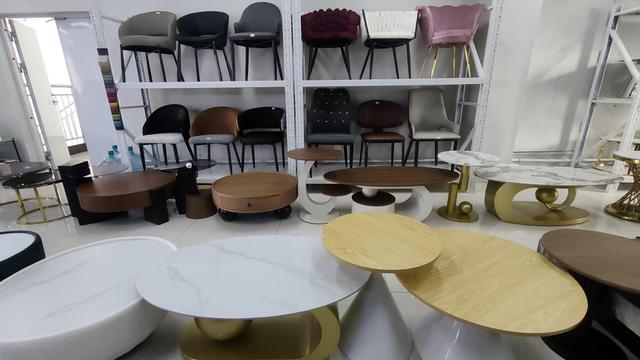
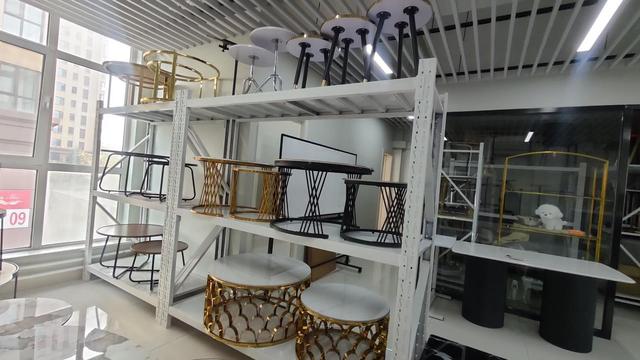
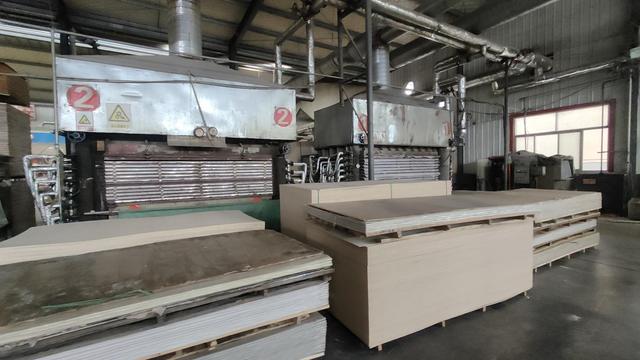
Explore our integrated manufacturing capabilities, multi-axis metal production facilities, surface treatment lines, and global warehouse storage capacities:
Direct answers to technical, commercial, and logistical queries regarding custom industrial workbenches, ordering terms, and manufacturing capabilities.
The static and dynamic load capacity is governed by steel gauge thickness (typically 1.5mm to 3.0mm SPCC cold-rolled steel), frame geometry (C-frame vs. 4-leg box frame vs. H-frame), cross-beam gusseting, and the structural density of the tabletop material. Heavy-duty benches utilize continuous seam welds and high-tensile fasteners to handle static loads up to 2,000 kg safely.
ESD workbenches incorporate static-dissipative laminate worktops (with volume resistance between 106 and 109 Ohms), conductive wrist strap sockets, dual grounding cords connected to earthing points, and conductive epoxy frame coatings. This creates a safe path for static charges to dissipate harmlessly to the ground before damaging microelectronic components.
Yes. As a direct OEM/ODM manufacturer, Salonix provides comprehensive engineering customization. Clients can specify custom table length/width/height, modular upright configurations, perforated pegboards, tool suspension booms, electric height adjustment actuators, custom color RAL powder coatings, and integrated branding/logos.
Standard production lead time is 15 to 25 days depending on order volume. Products are packed using high-density shockproof foam corners, 7-ply corrugated export cartons, and wood palletization to ensure zero damage during sea freight container transport to Europe, North America, and Southeast Asia.
Connect with our senior technical engineers today to request standard 3D CAD modeling, custom OEM quotes, and volume tier pricing for your workshop expansion.
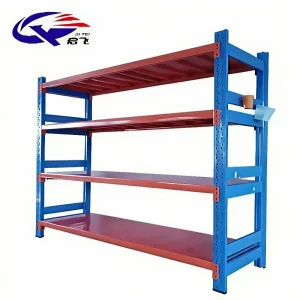
Discover our extended range of high-durability shelving units, modular storage systems, and enterprise home/office furniture.



 Salonix Furniture