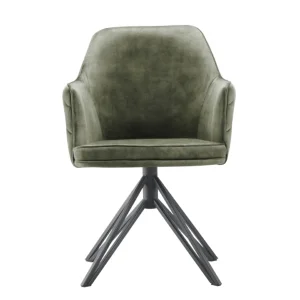
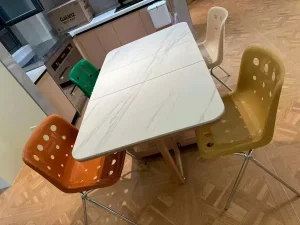
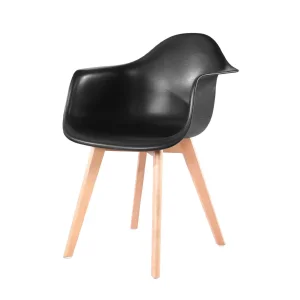
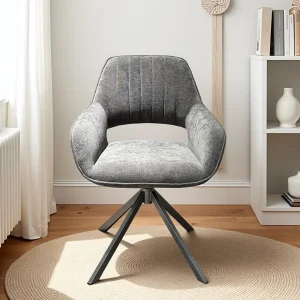
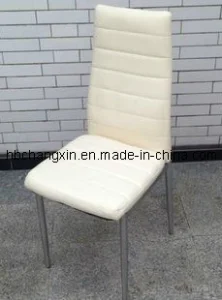
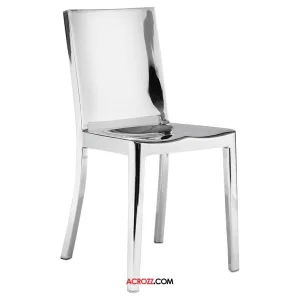
High-performance upholstered, wood-leg, and modern minimalist chairs engineered to meet Busan's dynamic maritime commercial standards.
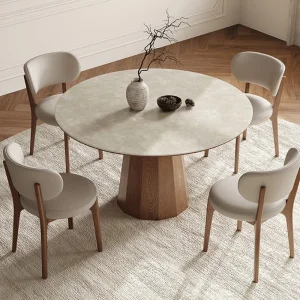
Busan (부산), South Korea's vibrant maritime heart and second-largest metropolis, operates as a massive commercial gateway. The rapid development of high-end seaside hospitality projects in Haeundae, luxury oceanfront cafes in Gwangalli, and premium corporate offices in Centum City has created unprecedented demand for world-class hospitality and residential dining furniture. In coastal environments, furniture is subjected to high humidity and salinity, necessitating specialized materials and finish treatments.
At the same time, the global market for contract dining chairs has evolved. Modern corporate offices, resort restaurants, and multi-residential complexes no longer seek just aesthetic value; they require rigorous structural durability, sustainable sourcing certificates (such as FSC and OEKO-TEX), and optimized ergonomics. High-traffic hospitality venues in Busan and worldwide need products with high cycle ratings and commercial-grade structural integrity.
By blending state-of-the-art material engineering with contemporary design aesthetics, international B2B buyers can ensure their dining furniture investments resist structural fatigue while matching the sleek, tech-forward vibe of contemporary architectural layouts.
How Guangzhou Salonix Equipment Co., Ltd. integrates advanced Chinese manufacturing scale with Busan's premier deep-water shipping lanes.
By relying on China's massive supply chain clustering in Guangzhou, Salonix commands a significant cost advantage in raw material procurement. Bulk metal extrusion, precision welding, and high-frequency plywood bending are executed at scale, lowering B2B unit prices by 30-40% compared to localized domestic production in Korea.
Equipped with semi-automated assembly lines and computerized CNC machinery, our factory guarantees dimensional tolerances within ±0.5mm. This consistency ensures large-scale hospitality projects (such as 500-room hotel banquets) receive uniform, defect-free shipments that easily pass international drop tests.
Guangzhou's proximity to major shipping ports (such as Nansha and Shenzhen) allows direct maritime logistics routing straight to the Port of Busan. Direct container shipping lanes guarantee fast transit times (often under 7-10 days), keeping major real estate projects on schedule.
Founded in 2010 in Guangzhou, China, Guangzhou Salonix Equipment Co., Ltd. began as a small manufacturer specializing in chairs for salon and home use. With a focus on craftsmanship and affordability, the company quickly gained recognition in the domestic market.
By 2013, Salonix expanded its production to include sofas and storage cabinets, establishing itself as a comprehensive home furniture manufacturer. The company invested in advanced machinery and skilled labor, improving both production capacity and product quality.
In 2016, Salonix launched its OEM and ODM services, working closely with international clients to develop customized furniture solutions. This marked a key milestone as the company entered global markets, exporting to Europe, North America, and Southeast Asia.
In 2019, Salonix upgraded its manufacturing facilities with semi-automated production lines and introduced strict quality control systems to meet international standards. The company also strengthened its supply chain and logistics capabilities to ensure timely delivery.
By 2022, Salonix embraced modern design trends, launching stylish, ergonomic, and space-saving furniture collections for both residential and commercial applications.
Today, Guangzhou Salonix Equipment Co., Ltd. is a trusted global supplier of chairs, sofas, and storage cabinet solutions, offering innovative designs, reliable quality, and flexible customization services for worldwide partners.
Inside Salonix: Take a visual tour of our production workshop, heavy CNC milling stations, and design showrooms.
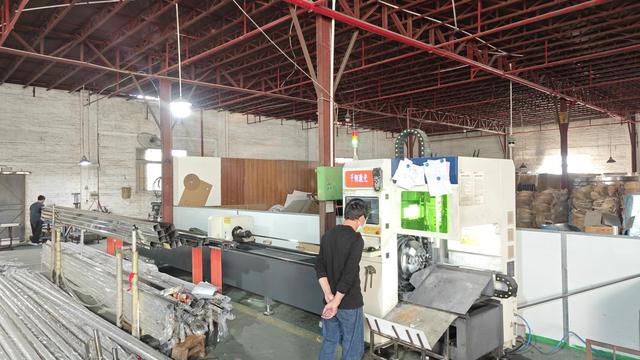
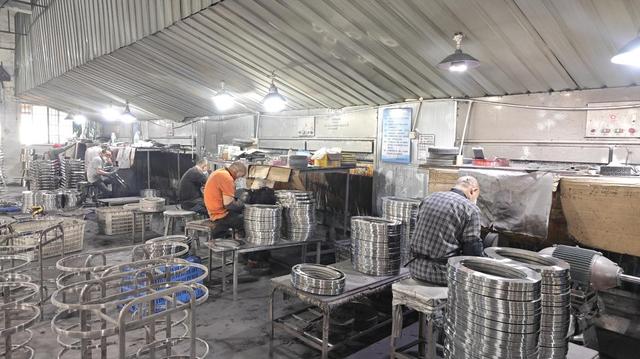
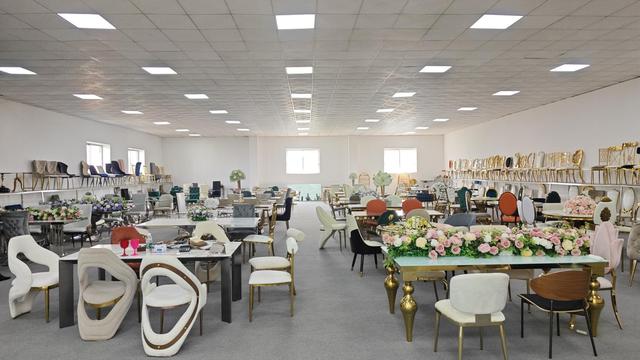
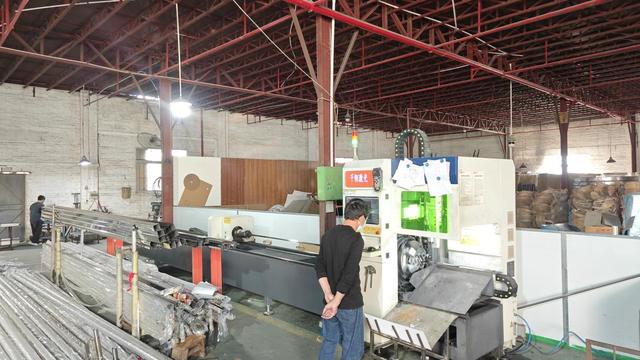
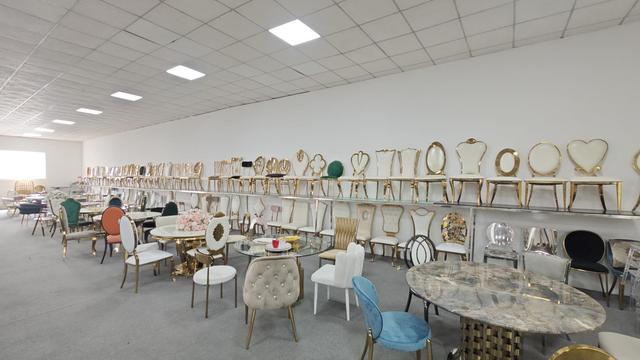
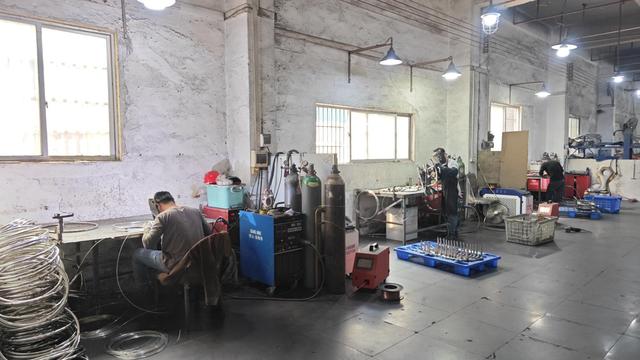
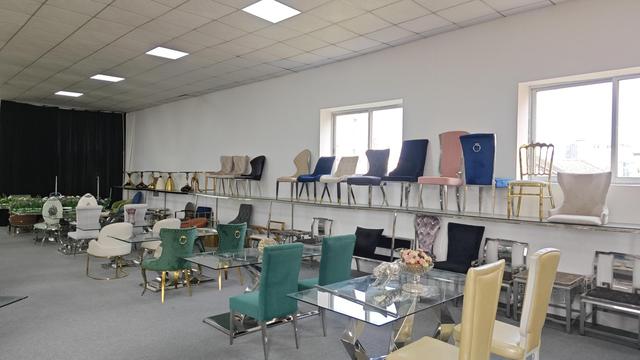
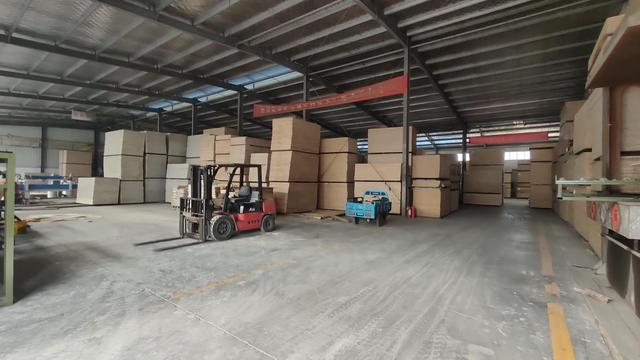
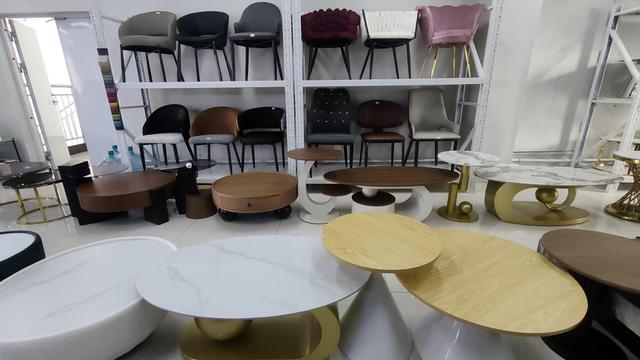
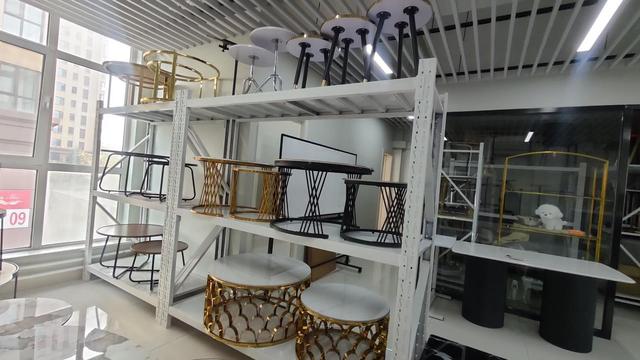
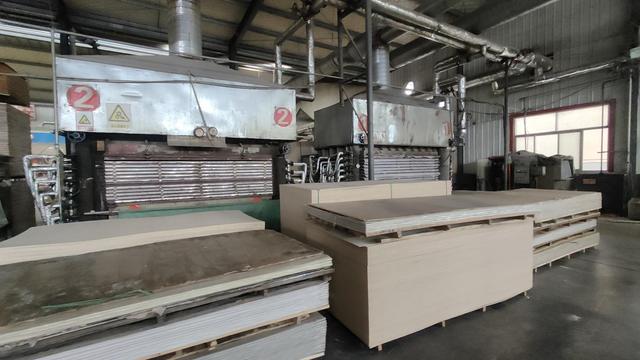
Adapting global dining furniture trends to meet the diverse architectural and environmental demands of Busan's dynamic districts.
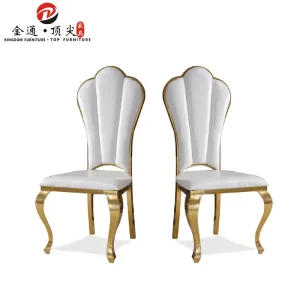
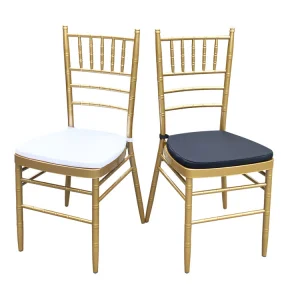
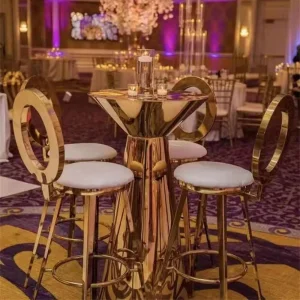
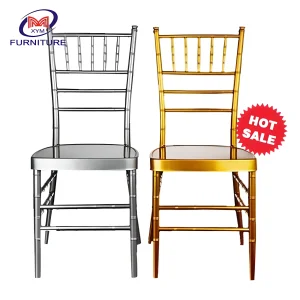
High-density hotel properties in Haeundae Beach demand robust, stackable banqueting seating (like our Rose Gold and Aluminum Tiffany chairs) that can handle rapid transition cycles between events while maintaining five-star aesthetics.
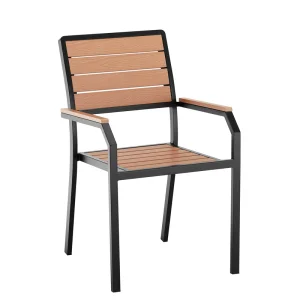
Bistro and outdoor coffee houses in coastal Busan need waterproof, UV-resistant wood-plastic and metallic seating structures that withstand heavy sea breezes and intense high-traffic summer vacation crowds.
Corporate dining rooms and high-end VIP breakout lounges require ergonomic luxury swivel velvet armchairs. These units are designed to enhance long-duration comfort, blending productivity with superior design detailing.
As the commercial contract furniture landscape pivots toward circular economics and low-carbon emission models, several crucial shifts have reshaped product design and factory production protocols:
"Furniture is no longer treated as a static component. It is an active variable in interior air quality, space optimization, and sustainable life-cycle management."
1. Biophilic Materials and Circular Economy: Modern developers require wood substrates harvested from certified sustainable forests. Upholstery fabrics are increasingly derived from ocean-bound post-consumer recycled plastic bottles, processed into premium textures like performance velvet and weave fabrics.
2. Posture Engineering and Dynamic Ergonomics: Extended sitting in hospitality and commercial lounges causes spinal fatigue. Modern chair frameworks prioritize continuous lumbar support, calculated backrest recline angles (typically 103° to 108°), and progressive high-resiliency foam density zones that adapt to variable weights.
3. Advanced Modular (KD) Packing structures: High oceanic container freight costs require factories to engineer intelligent Knock-Down (KD) structures. This configuration doubles the volume density in transport containers, dramatically reducing carbon emissions per chair and minimizing international delivery expenses.
For B2B procurement managers, purchasing hundreds of dining chairs for high-end developments involves navigating critical compliance and manufacturing check-points:
At Salonix, our quality control process addresses every step, from structural weld checks to packing drop-tests, ensuring your order arrives in flawless condition.
How we take your conceptual designs from blueprints to container delivery at our Guangzhou facility.
We transform ideas or CAD drawings into production blueprints, adapting structures for high strength and durability.
Physical sample units are assembled within 14 days, allowing structural analysis and aesthetic evaluation before production.
Advanced CNC processes, robot welding, and precision assembly lines ensure high efficiency and product uniformity.
Every batch passes strict quality inspections before export and direct maritime dispatch to Busan or global ports.
Browse our comprehensive lineup of metal, leather, acrylic, and stackable banquet chairs designed for global projects.
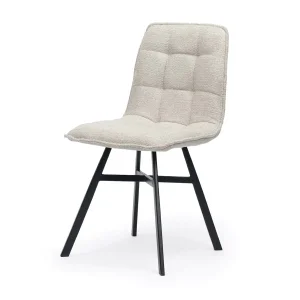
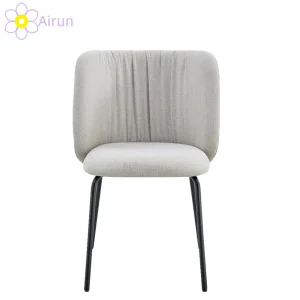
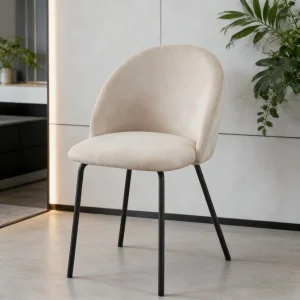
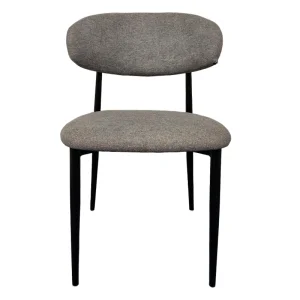
Get professional answers about custom fabric treatments, container shipping to Busan, minimum order quantities (MOQ), and commercial compliance.
Yes. We offer specialized hardware and finish upgrades specifically designed for coastal settings. This includes opting for stainless steel fasteners and marine-grade epoxy powder coatings that resist salt-air corrosion, alongside hydrophobic, mold-resistant fabric upholstery options that keep cushions pristine in high-humidity areas.
Our manufacturing facility in Guangzhou is located near major container ports like Nansha and Shenzhen. Direct sea-freight lanes connecting Guangzhou to the Port of Busan typically require only 7 to 10 days of water transit. We handle all export customs clearance documents, enabling seamless customs processing at Busan.
Yes. Our high-use contract dining chairs undergo extensive load-capacity and drop-testing procedures at our QA facilities to ensure compliance with ANSI/BIFMA X5.1 and EN 12520 standards. This guarantees the structural integrity of the frame and joints over years of intensive usage in high-traffic hotels, restaurants, and lounges.
For standardized catalogue styles, our MOQ starts at 50 to 100 units per model. For bespoke ODM modifications (custom tooling, custom metal extrusions, or client-specified performance fabrics), the MOQ typically ranges between 100 and 200 units, depending on frame complexity and raw material requirements.
We work closely with design firms to match wood-grain veneers, lacquer gloss percentages, and textile colorways. Clients can provide Pantone codes or physical samples, and we will produce mock-up swatches for approval before launching production.
Get in touch with our commercial engineering team to request physical catalog sheets, fabric swatches, or detailed FOB/CIF pricing estimates for Busan and global locations.
Send Inquiry Now Salonix Furniture