Engineered to meet the stringent structural and aesthetic specifications of international commercial developers, importers, and retail distributors.
Managing structural compliance, safety regulations, and supply chain lead times at scale.
For international enterprise buyers—including premium hotel groups, cruise lines, commercial workspace developers, and big-box home decor retail chains—procuring dining chair sets is not merely an aesthetic choice. It is a rigorous process of structural risk management, materials compliance, and strict supply chain predictability.
Key pain points include the alignment of material compositions with regional laws, such as California Proposition 65, European REACH compliance, and fire-retardancy standards (BS 5852 or CAL 117). A single product compliance failure can halt import shipments, leading to substantial financial losses and brand damage.
Moreover, the total cost of ownership (TCO) is heavily influenced by manufacturing quality control and packaging durability. Delays, transit damage due to poor package design, and high repair rates under commercial warranty conditions can erode retail and distribution margins. Global procurement departments require a manufacturing partner capable of executing custom OEM blueprints while guaranteeing repeatable structural integrity under industrial and commercial usage profiles.
FSC-certified timber sourcing, REACH chemical restriction compliance, and regional flammability code certifications (CAL 117 / BS 5852) embedded at the material procurement level.
Structural engineering designed to surpass 100,000 cycles of joint tension, static load limits, and backrest drop testing requirements for high-traffic environments.
CAD-designed KD (Knocked Down) structure to maximize container volume efficiency by up to 35%, significantly reducing maritime freight costs per unit.
Exploring structural innovation, eco-materials integration, and predictive ergonomic design cycles.
By simulating human mass distribution and joint impact through FEA, our design phase identifies stress-concentration zones on dining chair components. This enables our engineers to reinforce internal metal inserts and modify tenon-and-mortise wood joint dimensions prior to rapid prototyping. The outcome is a structural design capable of enduring prolonged sitting without deformation or joint loosening.
Looking to 2025 and beyond, Salonix is migrating cushion materials to bio-based, high-resiliency memory foams derived from soy and castor beans. Coupled with marine-grade performance textiles that offer inherent stain resistance without the addition of harmful PFAS chemicals, our material formulations balance environmental stewardship with hospitality-tier resilience.
As commercial environments require multi-purpose spaces, the design roadmap focuses on standardized chassis components. By keeping the internal seat frame consistent, buyers can swap backrests, armrests, and legs using simple, high-tensile hardware. This modular approach allows hotels and restaurants to refresh their interior decor by buying replacement parts rather than completely new chair sets, alignment with circular economic values.
Guangzhou Salonix Equipment's manufacturing facility integrates automation, advanced materials science, and lean logistics.
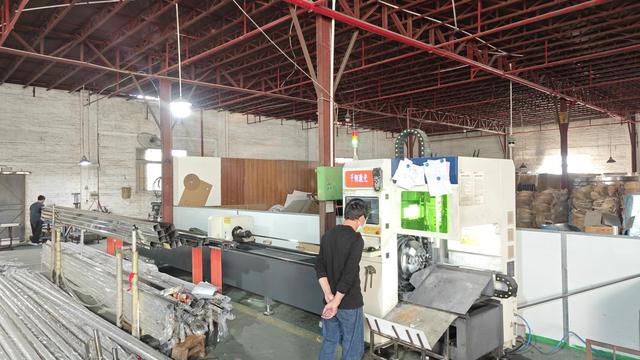
The contemporary contract furniture landscape demands rapid execution without compromising product variance. Guangzhou Salonix's manufacturing model employs state-of-the-art semi-automated fabrication cells. Our CNC-controlled milling machines process premium solid hardwoods and engineered structural composites with tolerances of less than 0.1 mm, ensuring that joint components assemble perfectly every time.
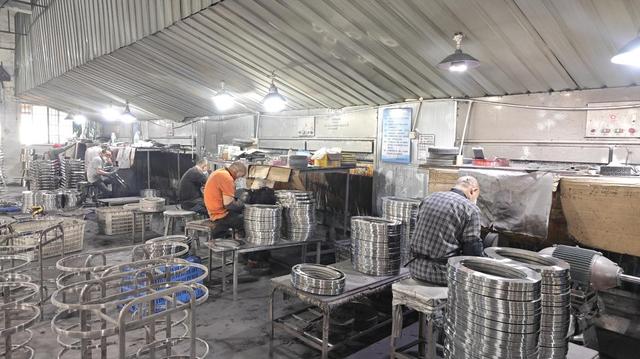
Our surface finishing lines utilize eco-friendly electrostatic powder coating for metal frames and water-based UV coatings for wooden components. This setup ensures superior wear, scratch, and chemical resistance compared to traditional PU lacquers, while maintaining ultra-low VOC emissions to meet green building criteria like LEED and WELL.
By localizing our supply chain in the manufacturing hub of Guangzhou, we secure direct access to high-grade raw steel, sustainable timber imports, and advanced accessory suppliers. This industrial grouping mitigates external shocks, ensuring price stability and supply chain resilience. During periods of logistics volatility, Salonix leverages its direct relationships with major ports and custom agents in Guangzhou and Shenzhen to guarantee priority shipping and streamline export clearance procedures.
Bespoke manufacturing standards tailored to specific commercial and residential markets.
Focus: Extreme longevity, ease of cleaning, fire protection.
Engineered for continuous turnover, featuring reinforced steel joints, commercial-grade fabric rub-tests (up to 100,000 Martindale double-rubs), and fire-retardant foams conforming to regional hospitality laws.
Focus: Trend-forward aesthetics, flat-pack parcel packaging, modular shipping.
We work with global design brands to manufacture custom dining sets that match contemporary, minimalist, or retro aesthetics. Optimizations are integrated to meet shipping requirements for home-delivery e-commerce networks.
Focus: Lightweight, stackability, multi-functional ergonomics.
For modern office breakout spaces and cafeterias, we supply lightweight dining chair models featuring built-in handle cutouts, stackability characteristics, and impact-resistant edge protection.
The Evolution of Quality: Historical Milestones & Manufacturing Capacity
Founded in 2010 in Guangzhou, China, Guangzhou Salonix Equipment Co., Ltd. began as a small manufacturer specializing in chairs for salon and home use. With a focus on craftsmanship and affordability, the company quickly gained recognition in the domestic market.
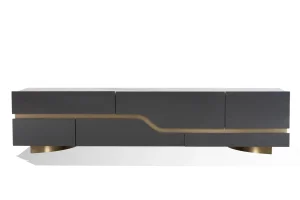
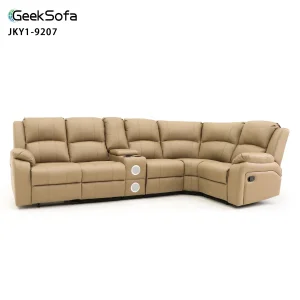
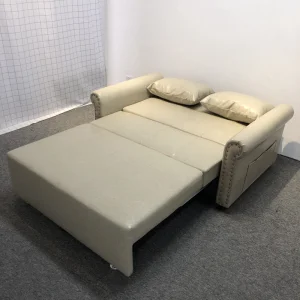
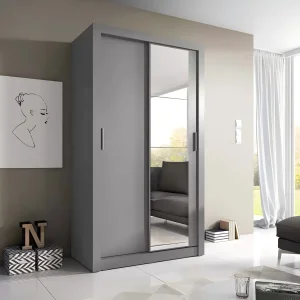
By 2013, Salonix expanded its production to include sofas and storage cabinets, establishing itself as a comprehensive home furniture manufacturer. The company invested in advanced machinery and skilled labor, improving both production capacity and product quality.
In 2016, Salonix launched its OEM and ODM services, working closely with international clients to develop customized furniture solutions. This marked a key milestone as the company entered global markets, exporting to Europe, North America, and Southeast Asia.
In 2019, Salonix upgraded its manufacturing facilities with semi-automated production lines and introduced strict quality control systems to meet international standards. The company also strengthened its supply chain and logistics capabilities to ensure timely delivery.
By 2022, Salonix embraced modern design trends, launching stylish, ergonomic, and space-saving furniture collections for both residential and commercial applications.
Today, Guangzhou Salonix Equipment Co., Ltd. is a trusted global supplier of chairs, sofas, and storage cabinet solutions, offering innovative designs, reliable quality, and flexible customization services for worldwide partners.
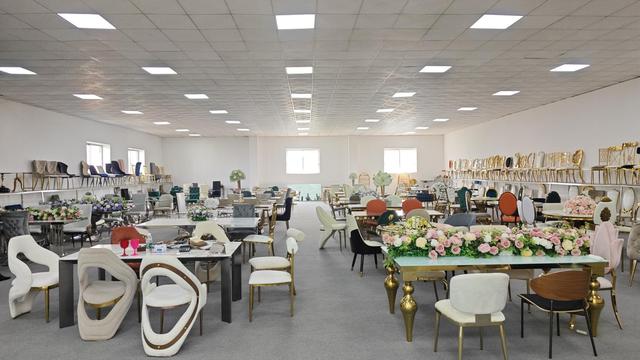
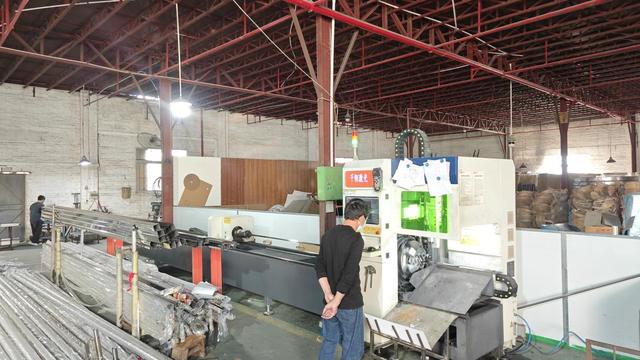
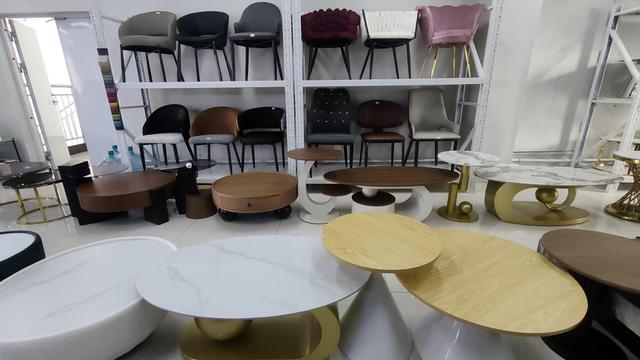
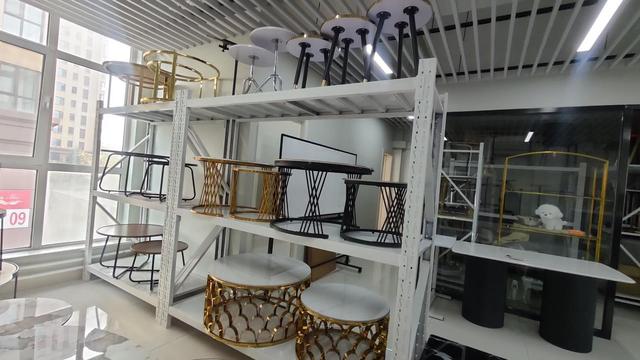
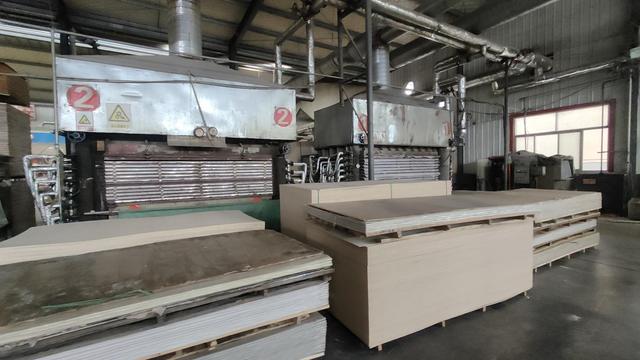
Explore our manufacturing processes, industrial facilities, and finished furniture portfolios. We guarantee quality control across every stage of development, from raw material inspection to final container loading.
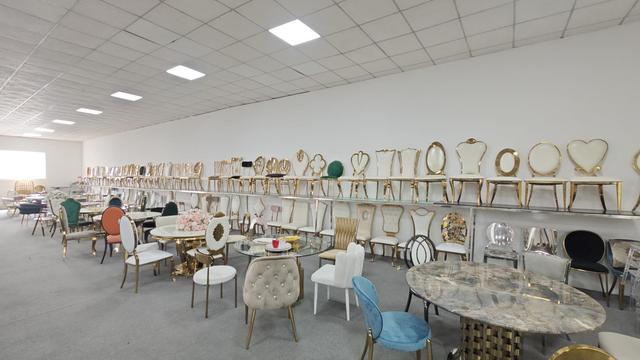
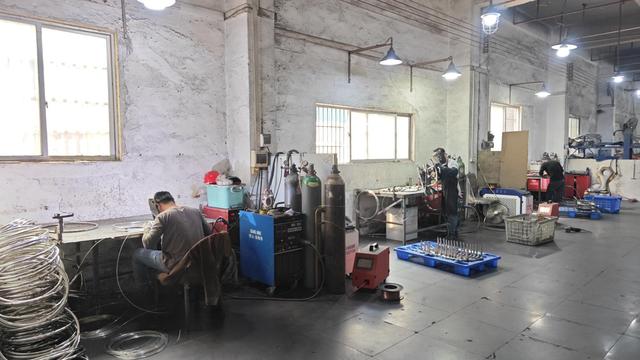
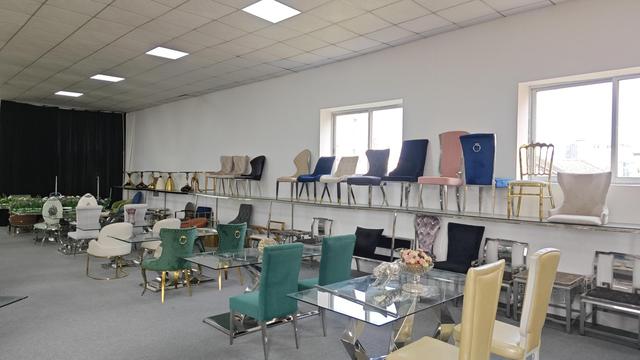
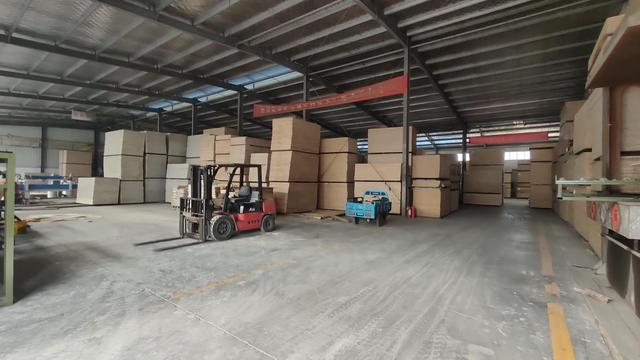
Reducing geographical distance barriers through structural supply chain guarantees.
Every region exhibits unique logistics challenges. We offer comprehensive support for global destinations, working under DDP, CIF, or FOB frameworks. Our documentation teams generate clean, compliant commercial invoices, packing lists, and Certificates of Origin (CO) that lower import duties under dynamic trade agreements.
To assure long-term partnership viability, all B2B custom order lines are backed by a structured commercial warranty. In the event of transit damage or material failure under normal operational conditions, Salonix operates a rapid-replacement parts supply chain, minimizing room downtime for hotel operators and customer return friction for retailers.
Technical and logistical insights for global procurement managers.
Engineered to modern structural parameters, maximizing space utilization and aesthetic versatility.
 Salonix Furniture