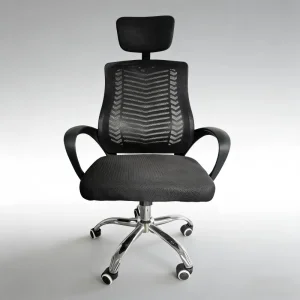
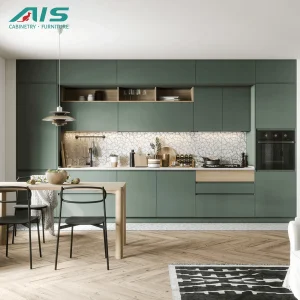
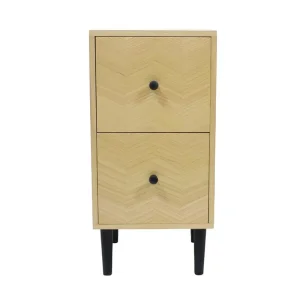
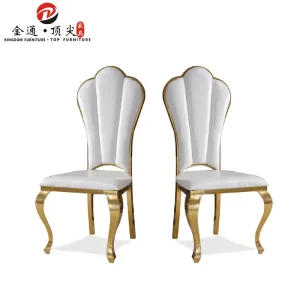
In the contemporary B2B furniture landscape, the Storage Chest has transcended its traditional role as a simple wooden box to become a critical component of organizational infrastructure. As urbanization accelerates globally, particularly in North America and Europe, the demand for space-optimizing furniture has reached an all-time high. The global storage furniture market is projected to grow significantly, driven by the rise of "micro-living" and the "Work From Home" (WFH) revolution.
Enterprises are no longer just buying furniture; they are investing in Efficiency Enablers. From luxury hospitality suites requiring discreet storage to modern co-working spaces needing modular organizational chests, the shift is toward high-durability, multi-functional designs.
The integration of Smart Storage (IoT-enabled locking) and Sustainable Materials (FSC-certified timber and recycled metals) is the new industry standard. Manufacturers in China are leading this transition with AI-driven production lines.
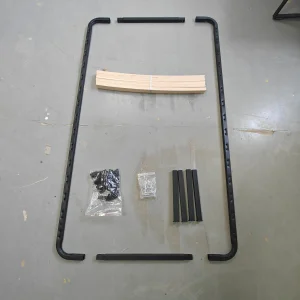
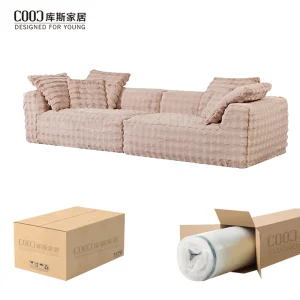
Modern storage chests are now engineered for Flat-Pack Efficiency. This reduces shipping costs by up to 40% and minimizes the carbon footprint during trans-oceanic transit, a key metric for ESG-conscious global buyers.
The competitive advantage of a China Wholesale Storage Chest Factory lies in the synergy between Raw Material Proximity and Technological Sophistication. China’s furniture manufacturing clusters, specifically in the Guangdong region, offer an unparalleled supply chain ecosystem.
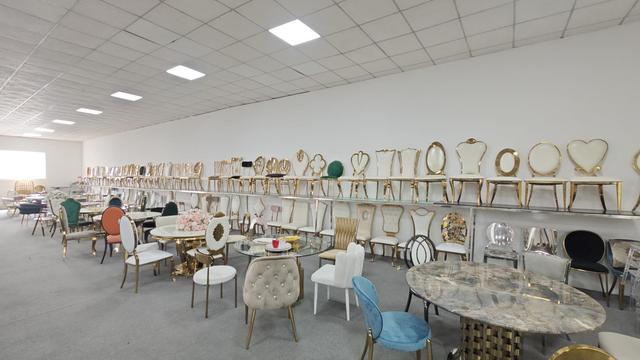
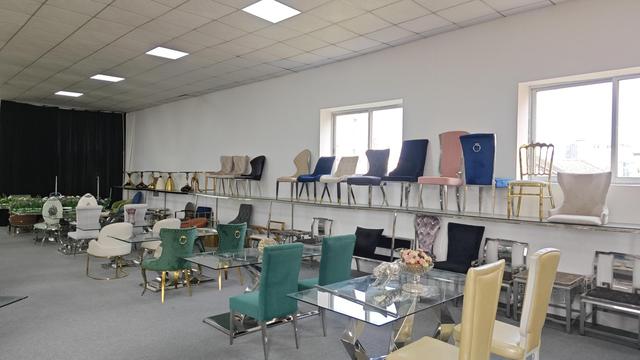
Founded in 2010 in Guangzhou, China, Guangzhou Salonix Equipment Co., Ltd. began as a small manufacturer specializing in chairs for salon and home use. With a focus on craftsmanship and affordability, the company quickly gained recognition in the domestic market.
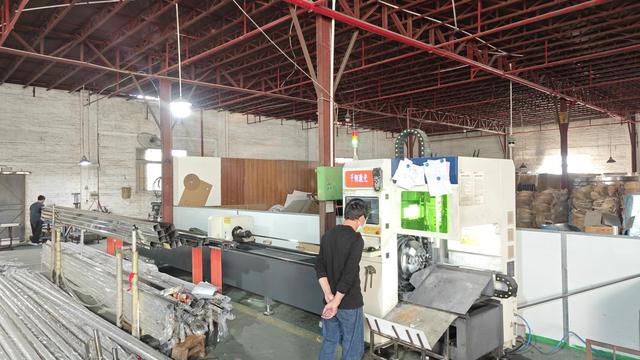
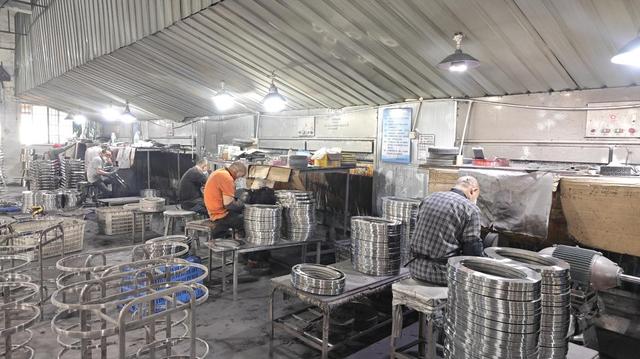
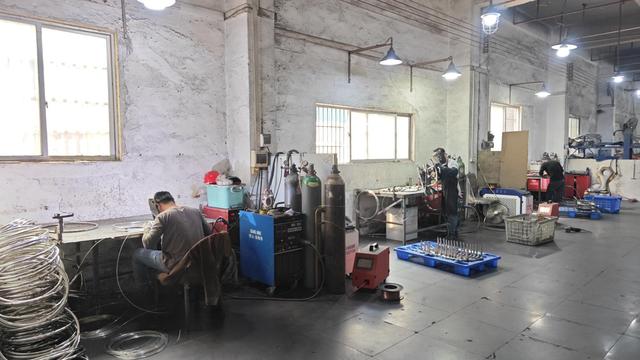
By 2013, Salonix expanded its production to include sofas and storage cabinets, establishing itself as a comprehensive home furniture manufacturer. The company invested in advanced machinery and skilled labor, improving both production capacity and product quality.
In 2016, Salonix launched its OEM and ODM services, working closely with international clients to develop customized furniture solutions. This marked a key milestone as the company entered global markets, exporting to Europe, North America, and Southeast Asia.
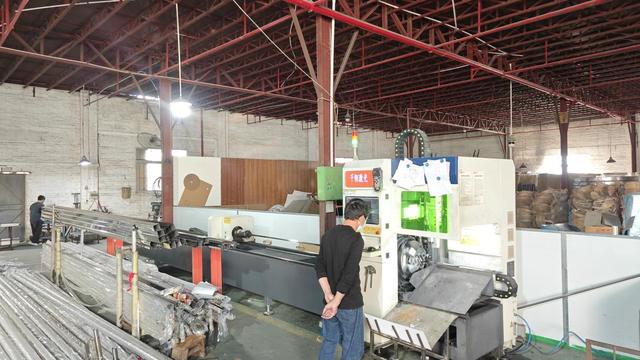
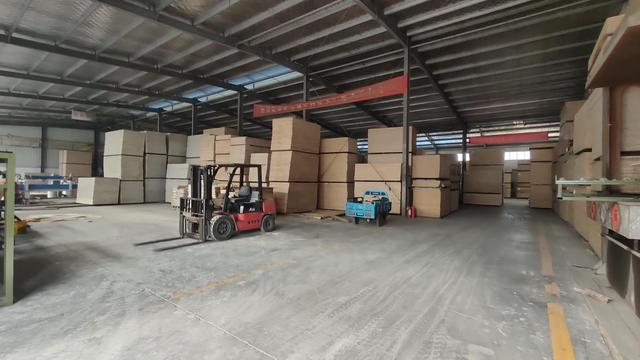
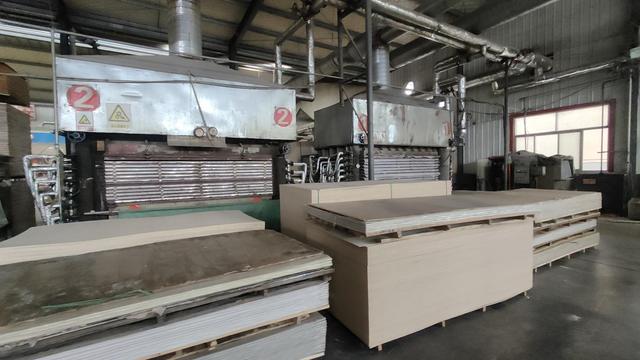
In 2019, Salonix upgraded its manufacturing facilities with semi-automated production lines and introduced strict quality control systems to meet international standards. The company also strengthened its supply chain and logistics capabilities to ensure timely delivery.
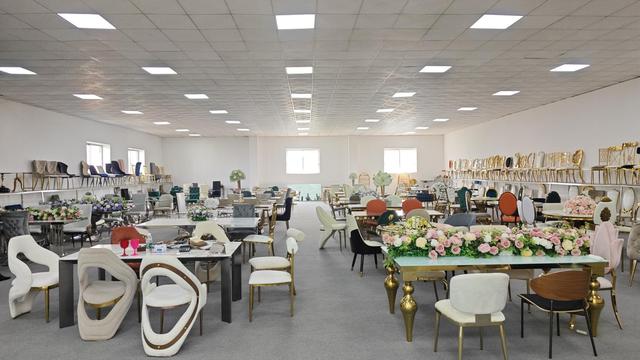
By 2022, Salonix embraced modern design trends, launching stylish, ergonomic, and space-saving furniture collections for both residential and commercial applications. Today, Salonix is a trusted global supplier of chairs, sofas, and storage cabinet solutions, offering innovative designs and flexible customization services.
In modern urban apartments, the storage chest serves as a dual-purpose coffee table or an end-of-bed ottoman. Our designs focus on soft-close hinges for child safety and premium upholstery that blends with Scandinavian or Industrial aesthetics.
Custom-built chests for high-end resorts require fire-retardant materials and high-load capacity. Salonix provides solutions that accommodate guest luggage while serving as an elegant seating element, maximizing room ROI.
The transition to "Hot Desking" requires secure personal storage. Our industrial-grade storage chests with integrated locking systems provide employees with a safe harbor for personal items while maintaining a clean-office policy.
When sourcing Wholesale Storage Chests from China, sophisticated buyers look beyond the unit price. The "Total Cost of Ownership" (TCO) includes quality stability, tariff navigation, and seasonal logistics planning.
We ensure compliance with formaldehyde emission standards (E1/P2) for North American and European imports.
All chests undergo static load testing and cyclic opening tests to ensure longevity in high-traffic environments.
Our engineering team optimizes the "KD" (Knocked Down) design to maximize container volume usage, reducing per-unit freight costs.
 Salonix Furniture